
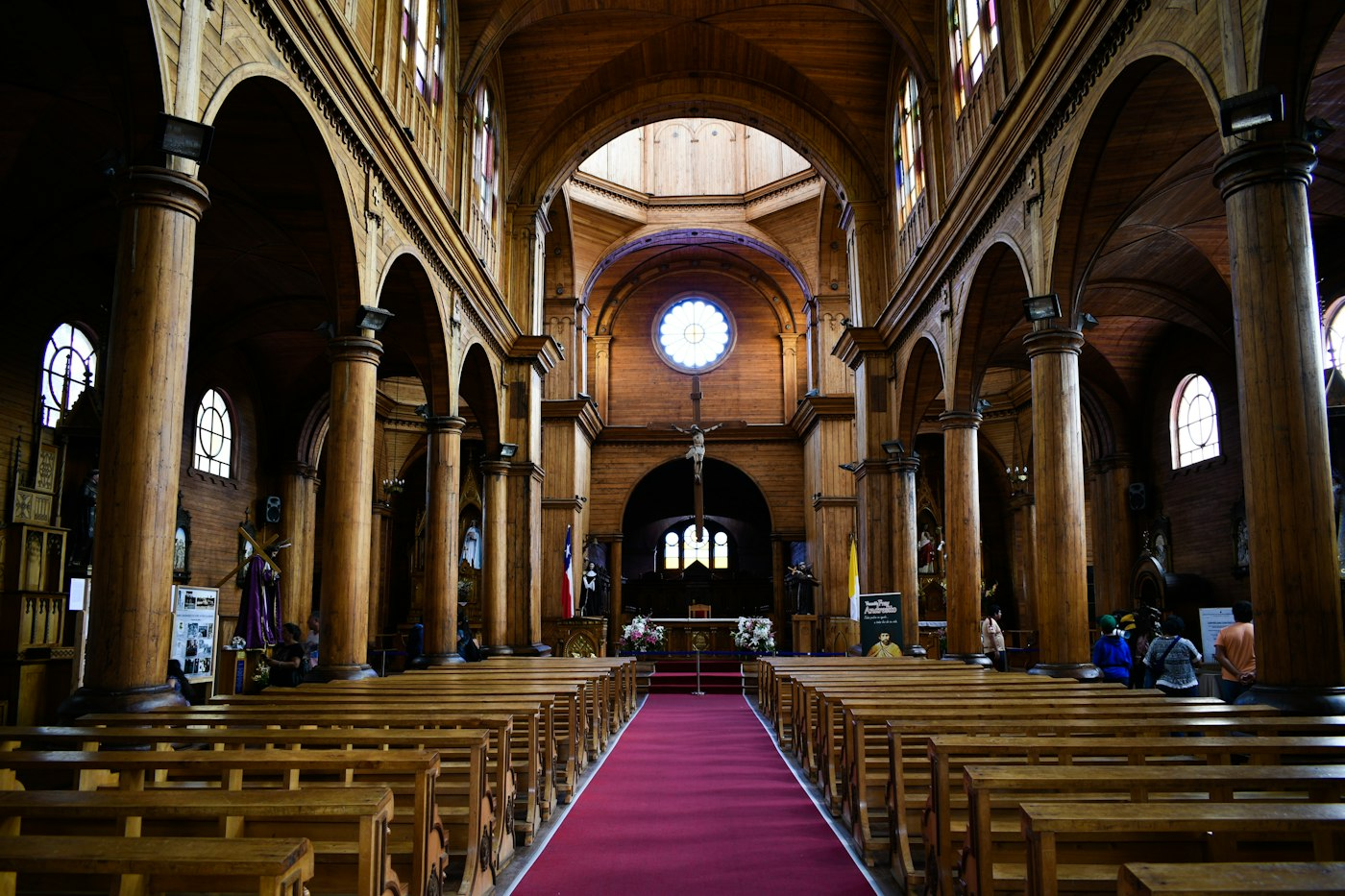
I served small churches and I visit small churches. They know every name, notice who is missing, and carry each other through sickness and loss. They are the backbone of American Christianity. It is easy to overlook them. They do not have large budgets or big buildings. They rarely make the news. But I have spent my life among them, and I want to make the case, as plainly as I can, for why they matter so much.
They Know Every Name
In a small church, you are not anonymous. When you walk through the door, people know your name, your family, your story. They know your children’s names and what grade they are in. They know when you have had a hard week.
That can be uncomfortable at times. There is not much privacy in a small congregation. But it is also a profound gift. In a world where so many people feel unseen and unknown, a small church offers a place where you truly belong. Jesus said of Himself, “I am the good shepherd, and know my sheep, and am known of mine” (John 10:14). A small church is one of the places where we experience a little of what it means to be known like that.
They Notice Who Is Missing
When someone misses a Sunday in a small church, people notice. By Monday, someone has called. By Tuesday, someone has stopped by. The absence is felt because every person matters to the whole.
Jesus told a parable about a shepherd who had a hundred sheep and lost one. He left the ninety-nine to go after the one that was lost, and when he found it, he carried it home on his shoulders rejoicing (Luke 15:4–6). In a small church, that is not just a parable. It is how people live. If one is missing, someone goes looking.
In larger settings, a person can drift away for months before anyone realizes. In a small church, that rarely happens. The community holds on to its members.
They Carry Each Other
Small churches carry each other through sickness and loss. When someone is in the hospital, the church is there. When someone dies, the church fills the kitchen with food and the funeral home with people. When a family is struggling, the church finds a way to help, often quietly.
I have seen small congregations rally around a family in ways that would put far larger organizations to shame. Meals for weeks. Rides to doctor’s appointments. Yards mowed. Bills quietly paid. Prayer chains that run day and night. That is the church doing what the church was meant to do.
The early church in Jerusalem had this same spirit. “And all that believed were together, and had all things common… and parted them to all men, as every man had need” (Acts 2:44–45). Later, “Neither was there any among them that lacked” (Acts 4:34). Small churches still live out that kind of mutual care.
The Backbone of American Christianity
When I say small churches are the backbone of American Christianity, I mean it. A great many congregations in this country are small, and much of the steady, ordinary work of discipleship happens in them. They are in small towns, rural crossroads and city neighborhoods. They are led by pastors who often work another job during the week. They are kept going by volunteers who have served faithfully for decades.
These churches raise children in the faith. They baptize new believers. They bury the dead with dignity and hope. They feed the hungry in their communities. They pray for their towns and their nation. They are the places where faith is passed from one generation to the next, at kitchen tables and in Sunday school rooms and around potluck dinners.
The New Testament churches were small too. Many met in homes: “the church that is in their house” (Romans 16:5). Paul greeted them by name, often one person at a time. The gospel spread across the Roman world through small gatherings of believers who knew and loved one another.
What Small Churches Need
Small churches face real challenges. Budgets are tight. Volunteers are stretched. Pastors can feel isolated. Buildings need repair. Young families sometimes move away. Here is what I have seen help:
- Faithful members who show up, week after week. Your presence matters more than you know.
- Encouragement for the pastor. A note, a word of thanks, a prayer.
- Willing volunteers. Teaching, cooking, cleaning, fixing. Many hands make light work.
- Generosity. Small gifts add up in a small church.
- Partnerships. Small churches can work together on community outreach and support one another.
- Prayer. Above all, they need people who will pray for them.
If You Have Never Tried a Small Church
If you have only ever attended a large church, or none at all, consider visiting a small congregation sometime. You may be surprised. You may find people who greet you warmly and remember your name the next time. You may find a pastor who has time to talk. You may find a place where you are needed, where your gifts can make a real difference.
And if you already belong to a small church, take heart. Do not believe the lie that small means insignificant. God has always delighted in using small things. “For who hath despised the day of small things?” (Zechariah 4:10). Jesus compared the kingdom to a mustard seed, the smallest of seeds, which grows into a great tree (Matthew 13:31–32). Your small church is part of that kingdom.
What to Do This Week
- If you belong to a small church, call someone who was missing last Sunday.
- Write a note of encouragement to your pastor.
- Pray for three small churches in your area by name.
- Volunteer for one task at your church that needs doing.
- Read Romans 16 and notice how many people Paul greets by name.
Prayer: Lord, strengthen the small churches that hold this country together. Amen.