
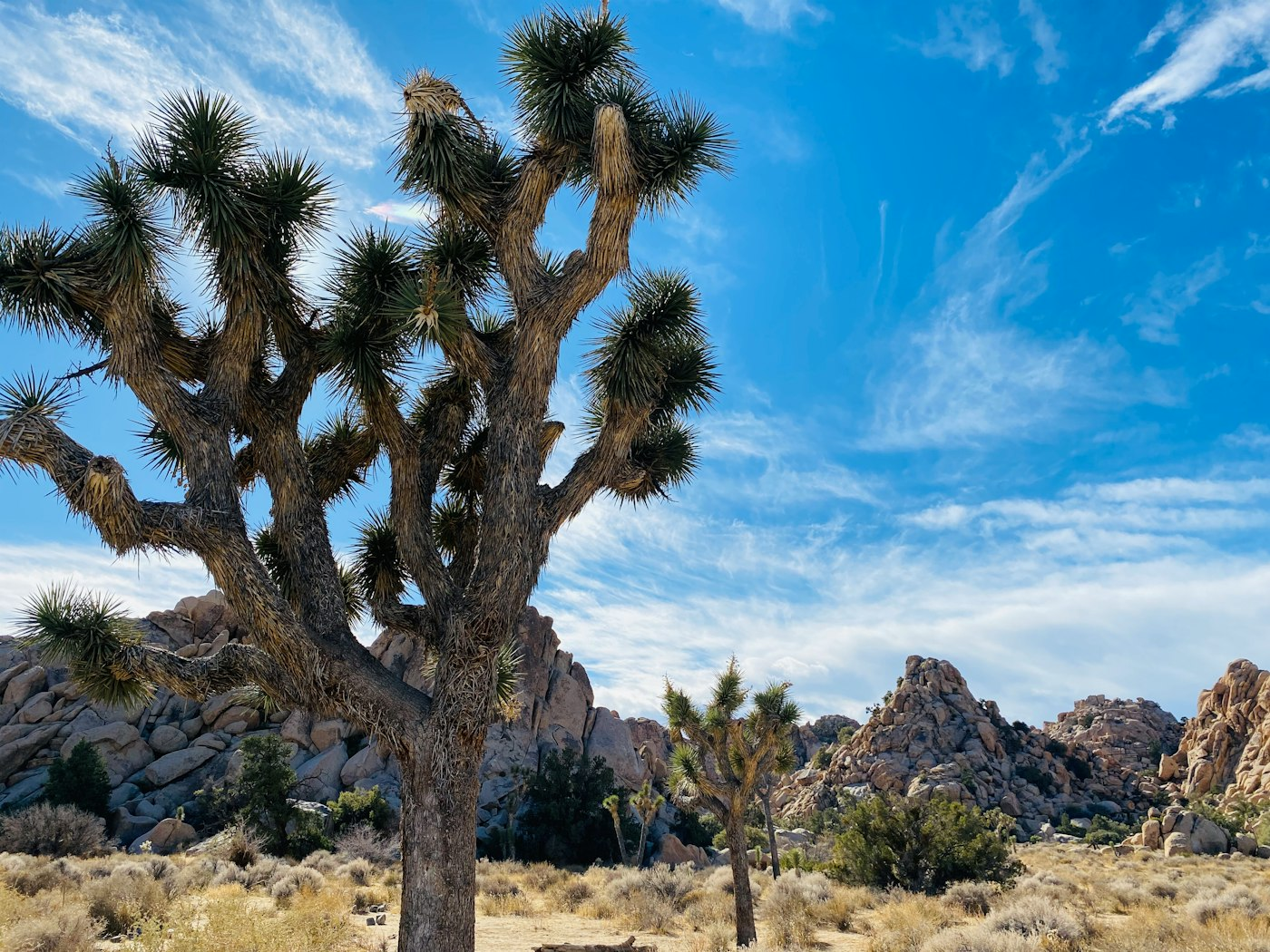
If you trace the great turning points of the Bible, a surprising number of them happen in the wilderness. Moses meets God there. Israel is formed there. Elijah is restored there. John the Baptist preaches there. Jesus is tested there. The desert is not a detour in Scripture; it is a classroom. Lent, with its forty days, invites us into that classroom on purpose.
What the Bible Means by Wilderness
The Hebrew word usually translated “wilderness” describes uncultivated land where few people live: rocky hills, dry valleys and sparse pasture rather than endless sand. It is a place where you cannot grow your own food or control your own water. In other words, it is a place of dependence. That is exactly why God keeps using it.
Israel: Learning to Depend
God could have taken Israel from Egypt to Canaan in a few weeks. Instead, the journey took forty years. Moses later explained why: God led them through the wilderness “to humble thee, and to prove thee, to know what was in thine heart, whether thou wouldest keep his commandments, or no” (Deuteronomy 8:2, KJV).
The manna taught the lesson daily. It could not be stockpiled. Each morning the people had to trust that it would come again. Moses summed up the point in words Jesus would later quote: “man doth not live by bread only, but by every word that proceedeth out of the mouth of the LORD” (Deuteronomy 8:3).
Prophets, Kings and Preachers
Moses himself was shepherding in the back country when he saw the burning bush (Exodus 3:1-2). David wrote some of his most trusting psalms as a fugitive in the wilderness of Judah: “O God, thou art my God; early will I seek thee: my soul thirsteth for thee … in a dry and thirsty land, where no water is” (Psalm 63:1). Elijah, exhausted and afraid, was fed and spoken to in the desert (1 Kings 19). John the Baptist began his ministry “in the wilderness of Judaea” (Matthew 3:1), far from the religious centers of power.
And Jesus, immediately after His baptism, was led by the Spirit into the wilderness for forty days (Mark 1:12-13). The Son of God chose the same classroom before He began to teach.
Why God Does This
Scripture suggests several reasons, and they often overlap:
- To strip away false supports. In the desert, what you really trust becomes obvious.
- To reveal the heart. Israel’s complaints exposed what comfort had hidden.
- To teach daily dependence. Manna, water from the rock and a pillar of fire were lessons in living one day at a time.
- To speak tenderly. Hosea describes God saying of His people, “I will allure her, and bring her into the wilderness, and speak comfortably unto her” (Hosea 2:14). Quiet places make hard-of-hearing people able to listen.
- To prepare for assignment. Moses, David, Elijah, John and Jesus all emerged from the wilderness with a mission.
The Wilderness Will Bloom
The Bible never romanticizes the desert. It is hard, and some people never leave it. But the prophets promise that God’s final word about the wilderness is not barrenness. “The wilderness and the solitary place shall be glad for them; and the desert shall rejoice, and blossom as the rose” (Isaiah 35:1).
If you are in a dry season, Lent gives you a way to understand it. You may be in God’s classroom, not His penalty box. Ask what He is stripping away, what He is revealing, and what He is preparing you for. And listen. The wilderness is often the place where His voice is clearest.
Going Deeper: Jesus Succeeds Where Israel Struggled
When Jesus was tempted in the wilderness, He answered the devil three times, and each answer came from Deuteronomy, from the very chapters where Moses reflected on Israel’s forty years.
- When tempted to turn stones into bread, Jesus answered, “It is written, Man shall not live by bread alone” (Matthew 4:4), quoting Deuteronomy 8:3.
- When tempted to throw Himself from the temple, He said, “Thou shalt not tempt the Lord thy God” (Matthew 4:7), from Deuteronomy 6:16, which recalls Israel testing God at Massah.
- When offered the kingdoms of the world, He replied, “Thou shalt worship the Lord thy God, and him only shalt thou serve” (Matthew 4:10), echoing Deuteronomy 6:13.
Israel, God’s son (Exodus 4:22), went into the wilderness and often grumbled, doubted and turned to idols. Jesus, God’s beloved Son, went into the wilderness and remained faithful in every test. He walked the same road and succeeded where the people had failed. That is good news for us, because we often fail in our wilderness too. Christ’s faithfulness covers ours, and His Spirit strengthens us to follow.
Signs You May Be in a Wilderness Season
Not every hard season is a wilderness in the biblical sense, but many are. You may be in one if:
- The supports you normally lean on, a job, a role, a relationship, good health, have been removed or shaken.
- Prayer feels dry and God feels distant.
- You find yourself living one day at a time, unable to plan far ahead.
- Old complaints and fears you thought were gone have come back to the surface.
- You sense that God is quietly preparing you for something, though you cannot yet see what.
Ways to Walk Through It Well
- Gather today’s manna. Read a little Scripture each day, even a single verse. Do not try to store up enough for the whole month.
- Watch your words. Israel’s grumbling did real damage. Honest lament is welcome before God, but bitterness toward Him and others poisons the journey.
- Remember the pillar. God led Israel by cloud and fire. Ask Him for the next step, not the whole map.
- Stay with the people of God. Israel traveled together. Isolation makes the desert far more dangerous.
- Take care of yourself. Rest, eat and see a doctor or counselor if a long season of heaviness is affecting your health. God works through those means as well.
Questions Readers Ask
Does being in the wilderness mean I have done something wrong?
Not necessarily. Israel’s forty years were extended because of unbelief, but Jesus was led into the wilderness by the Spirit while perfectly obedient. A dry season can be a call to repentance, a time of testing, or simply a place where God wants to draw near.
How long will it last?
Scripture does not give us a timetable for our personal seasons. It does promise that God is present in them and that He will not waste them.
Lord, when You lead me through dry places, teach me to depend on You for daily bread. Speak tenderly to me in the quiet. Strip away what is false, and prepare me for what You have ahead. Thank You that Jesus has walked this road before me. Amen.