
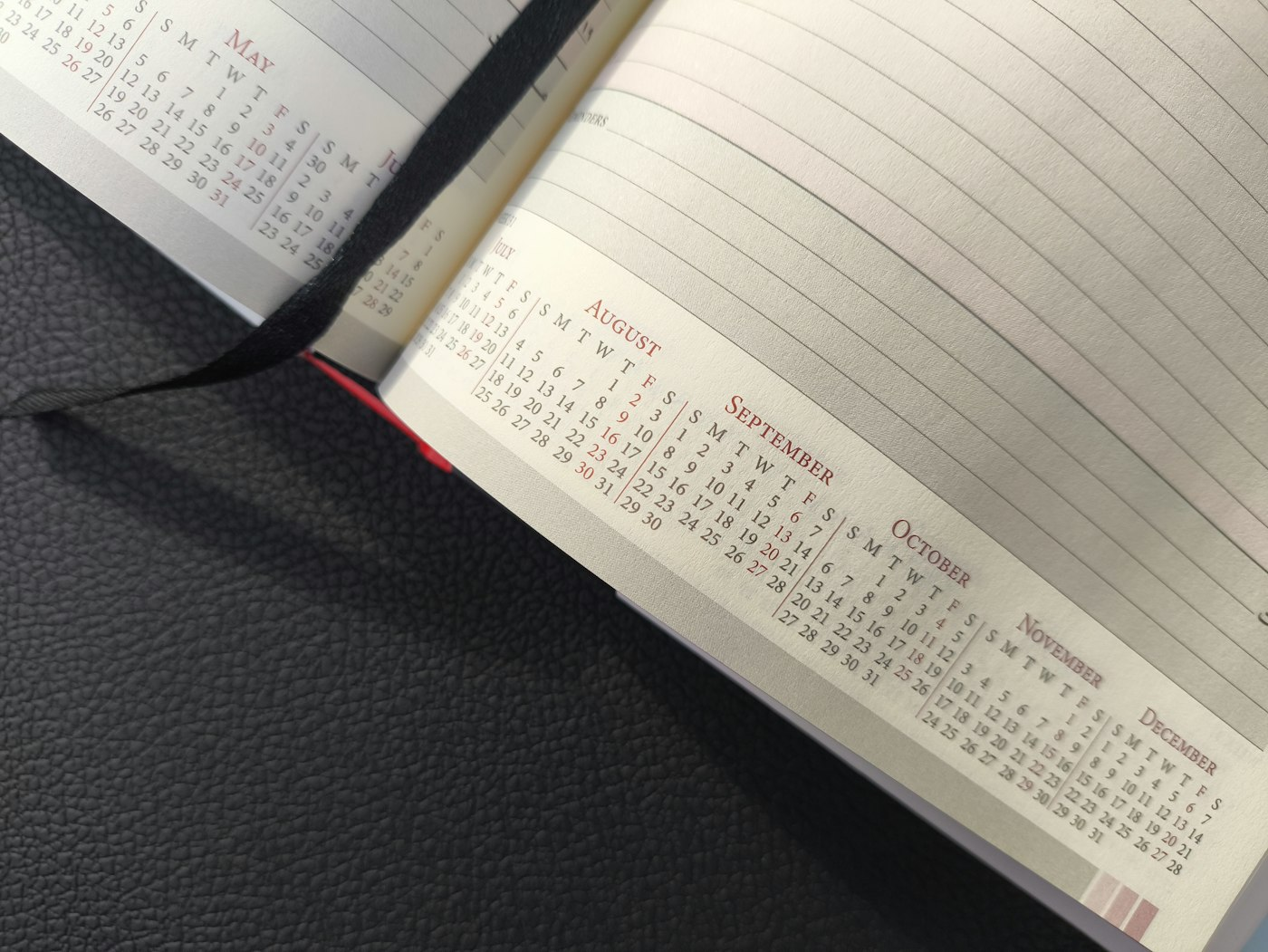
Christmas never moves. Easter wanders across more than a month of the calendar, falling as early as March 22 and as late as April 25 in Western churches. Many Christians have no idea why. The answer involves the moon, the spring equinox, an ancient Jewish festival and a church council nearly seventeen hundred years ago. Here is a plain explanation.
It Starts With Passover
Jesus was crucified at Passover. The Gospels are unanimous that the Last Supper, the arrest, the crucifixion and the resurrection all happened in the days surrounding that feast (Luke 22:1, 7-8). Passover, in turn, is tied to the Hebrew calendar, which follows the moon. It begins in the middle of the month of Nisan, at a full moon in early spring.
So from the very beginning, the date of the resurrection was connected to a lunar calendar rather than a fixed solar date. The first Christians remembered Easter in relation to Passover, and that connection was never dropped.
An Early Disagreement
By the second century, Christians disagreed about how to handle this. Some communities kept the celebration on the exact day of Passover, whatever day of the week that happened to be. Others insisted that Easter must always be on a Sunday, the day of the week Jesus actually rose. The dispute was serious enough to divide churches.
The Council of Nicaea in the year 325, the same gathering that produced the core of the Nicene Creed, addressed the problem. The result, worked out over the following decades, was a shared rule: Easter would always be on a Sunday, and churches would calculate it the same way rather than depending on the Jewish calendar.
The Rule
The rule that emerged can be stated in one sentence: Easter is the first Sunday after the first full moon that occurs on or after the spring equinox, which is fixed for this purpose at March 21.
A few details make it slightly more complicated. The church does not use the astronomical full moon but a calculated one, based on tables that approximate the moon’s cycle. If that full moon falls on a Sunday, Easter is the following Sunday. Working all this out was once a specialized skill called the computus, and it occupied some of the best minds of the medieval world.
Because of this rule, Easter can fall on any date from March 22 to April 25. The whole web of movable observances, including Ash Wednesday, Lent, Ascension Day and Pentecost, shifts with it.
Why East and West Often Differ
You may have noticed that Orthodox Christians often celebrate Easter on a different Sunday, sometimes weeks later. Both traditions use the same basic rule. The difference is the calendar underneath it. Western churches calculate using the Gregorian calendar, introduced in the sixteenth century. Most Eastern Orthodox churches still calculate Easter using the older Julian calendar, which now runs about thirteen days behind. In some years the two dates coincide; in others they are far apart. Christians have long discussed a common date, but both calculations remain in use.
Does It Matter?
The movable date can seem like an inconvenience. But there is something fitting about it. Easter is tied to the moon and the spring because it was tied to Passover, and Passover was tied to a real deliverance in history. The wandering date is a yearly reminder that the resurrection is not an abstract idea placed on a convenient square of the calendar. It happened at a particular feast, in a particular city, at a particular full moon. Paul put the connection plainly: “Christ our passover is sacrificed for us” (1 Corinthians 5:7, KJV).
So whenever Easter falls this year, early or late, the reason it moves is the reason it matters. It is anchored to the night Israel was freed from Egypt, and to the morning the tomb was empty.
Walking Through the Rule With an Example
The one-sentence rule is easier to grasp with a made-up example. These dates are only for illustration, not for any particular year:
- Start at March 21. This is the fixed date the church uses for the spring equinox.
- Find the first church full moon on or after that date. Suppose the tables place it on Wednesday, March 25.
- Go to the next Sunday. The first Sunday after Wednesday, March 25, is March 29. That would be Easter.
Now change the example. Suppose the church full moon fell on March 20, one day before the fixed equinox. It would not count. You would have to wait for the next full moon, about a month later, and Easter would land well into April. That is why Easter can swing so widely from one year to the next. A single day’s difference in the moon can move Easter by nearly a month.
One more wrinkle: if the church full moon falls on a Sunday, Easter is the following Sunday, a full week later. This keeps Easter from ever falling on the same day as the full moon itself.
Going Deeper: Pascha and the Lord’s Day
The connection to Passover still shows in the language. In many parts of the world, Easter is called by a name drawn from the Greek Pascha, which comes from the Hebrew word for Passover. Christians in many languages still speak of Easter in a way that echoes Passover, such as Pâques in French, Pascua in Spanish and Pasqua in Italian. Every time they say the word, they are remembering that the resurrection happened at the feast of deliverance.
The early church’s insistence on a Sunday Easter also reflects something deeper. The Gospels all say Jesus rose “very early in the morning the first day of the week” (Mark 16:2). From that point, the first day became the day Christians gathered for worship (Acts 20:7; 1 Corinthians 16:2), and John called it “the Lord’s day” (Revelation 1:10). In a real sense, every Sunday is a small Easter. The annual feast is simply the greatest of them.
Questions Readers Ask
Isn’t Easter based on a pagan spring festival?
The timing of Easter comes from Passover, as the Gospels make plain. Whatever later customs grew up around the holiday, the date itself is rooted in the Jewish calendar and in the events of Jesus’ last week in Jerusalem.
Why don’t churches simply pick a fixed date?
Proposals for a fixed or common date have been discussed for a long time. Changing a practice shared by so many churches across so many centuries is not simple, and many Christians value the ancient link to Passover and the moon.
Does it matter which Sunday we celebrate?
The resurrection is what matters. Christians who celebrate on different Sundays still proclaim the same risen Lord. The calendar serves the message, not the other way around.
Why does Lent move too?
Lent is counted backward from Easter. Ash Wednesday falls forty days before Easter, not counting Sundays, so when Easter moves, the whole season moves with it.