
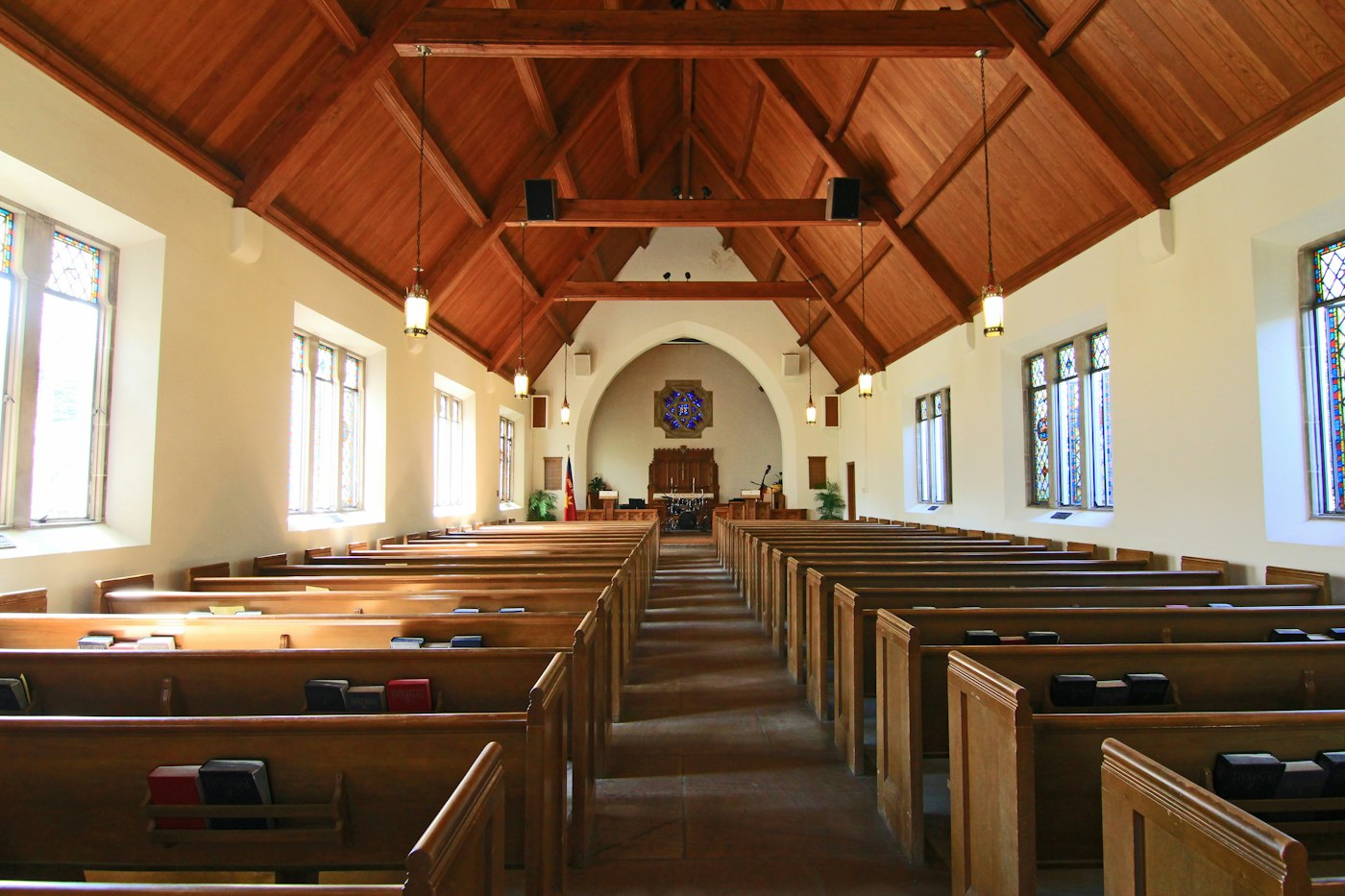
I sat in the back and the young pastor preached on rest. He did not know he was preaching to a retired pastor who still struggles to rest. God knew. I had come that Sunday as a visitor, the way I often do now, expecting to worship and maybe to encourage a younger man in the ministry afterward. Instead I was the one who left encouraged, and a little convicted. That is how the Lord works. He does not run out of ways to reach us, and sometimes He reaches the preacher through the pew.
A Retired Pastor Who Still Cannot Sit Still
You would think that after stepping down from full-time ministry, rest would come easily. It has not. I still answer the hospital calls. I still visit churches. I still feel that tug when I hear someone is sick or grieving, and I do not want to stop answering it.
But there is a difference between faithful work and restless work. Faithful work flows out of trust. Restless work flows out of a feeling that everything depends on us. I have known both, and I am not always quick to tell them apart in myself. Many pastors are like that. So are many mothers, nurses, farmers, small-business owners and caregivers. We carry so much for so long that we forget how to set it down.
That young pastor did not know my history. He was simply preaching the text in front of him. But God knew exactly who was sitting in the back row, and He knew what I needed to hear.
What the Bible Says About Rest
Rest is not a modern self-help idea. It is woven into the very beginning of Scripture. “And on the seventh day God ended his work which he had made; and he rested on the seventh day” (Genesis 2:2). God did not rest because He was tired. He rested to bless the day and set a pattern for us.
Later the Lord made it a command: “Remember the sabbath day, to keep it holy. Six days shalt thou labour, and do all thy work” (Exodus 20:8-9). Rest was not a reward for finishing everything. It was built into the week whether everything was finished or not.
Jesus invited weary people to Himself: “Come unto me, all ye that labour and are heavy laden, and I will give you rest” (Matthew 11:28). He even called His own disciples away after a busy stretch of ministry: “Come ye yourselves apart into a desert place, and rest a while: for there were many coming and going, and they had no leisure so much as to eat” (Mark 6:31).
That last verse has always spoken to me. The disciples were not being lazy. They were being faithful, and the need was real. Jesus still said: come away and rest.
Why Preachers Need Preaching
There is a temptation for anyone who teaches the Bible to listen to sermons as a critic rather than a hearer. We notice the outline, the illustrations, the delivery. We think about how we might have said it. It is easy to sit through a whole service and never let the Word land on our own hearts.
James warns all of us, “But be ye doers of the word, and not hearers only, deceiving your own selves” (James 1:22). He also says, “My brethren, be not many masters, knowing that we shall receive the greater condemnation” (James 3:1). Those who teach are held to a higher standard, and that means we need the Word preached to us as much as anyone.
Paul understood this. He wrote, “But I keep under my body, and bring it into subjection: lest that by any means, when I have preached to others, I myself should be a castaway” (1 Corinthians 9:27). The great apostle knew he could preach to others and miss it himself.
So I have learned to pray before a service, even one where I am only a guest: Lord, let me hear this as a sheep, not as a shepherd.
Learning From the Younger Generation
There is something humbling about being taught by someone younger. When I was starting out, older ministers poured into me. Now younger pastors are pouring into me, whether they know it or not.
Paul told Timothy, “Let no man despise thy youth; but be thou an example of the believers, in word, in conversation, in charity, in spirit, in faith, in purity” (1 Timothy 4:12). Some older believers forget that this verse cuts both ways. Not only should young leaders set an example, but older believers should be willing to learn from that example.
If you are a retired pastor, teacher or long-time church member, consider what you might receive from the young people God has raised up. They may see things you have missed. They may say plainly what you have stopped saying to yourself.
Practicing Rest When You Are Not Good at It
I am still learning this, but here are some things that have helped me, and might help you if you are also restless by nature:
- Keep a day. Set aside one day a week that is truly different. Worship, rest, enjoy a meal, take a walk. Do not fill it with chores.
- Say no to something. Not every need is your assignment. Ask the Lord which ones are.
- Sleep without guilt. “He giveth his beloved sleep” (Psalm 127:2). Sleep is a gift, not a waste of time.
- Sit still with Scripture. Read a psalm slowly without trying to get anything done with it.
- Let others serve. Allowing someone else to carry the load is not weakness. It is trust.
- Remember who holds it all. “Be still, and know that I am God” (Psalm 46:10). The world kept turning before you, and it will keep turning while you rest.
What to Do This Week
- Read Mark 6:30-32 and Matthew 11:28-30, and ask where you need to come apart and rest.
- Pick one evening or afternoon this week to rest on purpose.
- Next time you hear a sermon, pray first that you will hear it for yourself.
- Thank a younger pastor or teacher for something they said that helped you.
- Pray for the pastors you know, that they would find real rest this season.
Prayer: Lord, preach to the preachers. Amen.