
The first half of the Christian year is crowded with feasts and seasons: Advent, Christmas, Epiphany, Lent, Holy Week, Easter and Pentecost. Then, as summer begins, the calendar seems to go quiet. In many churches the long stretch from Pentecost to Advent is called Ordinary Time. Others call it the Season after Pentecost. Whatever the name, it covers about half the year, and it has something valuable to teach.
What the Name Means
“Ordinary” here does not mean dull or unimportant. The term comes from the idea of ordinal numbers, the counted weeks: the Second Sunday, the Third Sunday and so on. These numbered Sundays fill the calendar between the great festivals. Roman Catholics and a number of Protestant churches use the term; other traditions simply number the Sundays after Pentecost or after Trinity Sunday.
In the Roman Catholic calendar, a shorter stretch of Ordinary Time also falls between the Christmas season and Lent. The long summer and autumn stretch, however, is the one most people notice.
Why Green?
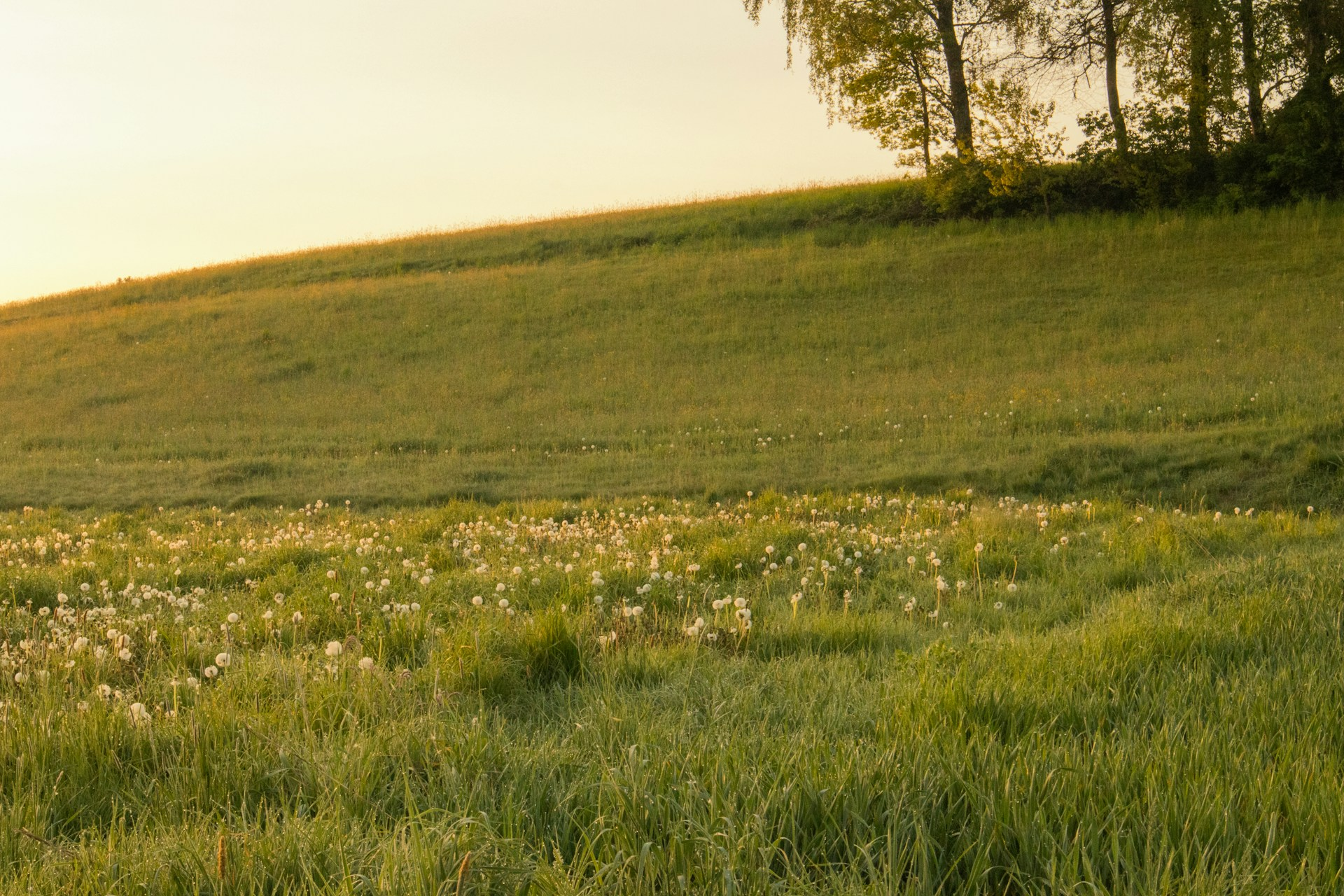
Churches that use seasonal colors usually dress the sanctuary in green during this season. Green is the color of growing things: leaves, fields and summer gardens. It fits the season’s focus. Having celebrated the life, death, resurrection and ascension of Christ and the coming of the Spirit, the church now settles into growing up in Him.
Peter’s closing words make a fitting motto for the season: “But grow in grace, and in the knowledge of our Lord and Saviour Jesus Christ” (2 Peter 3:18, KJV).
The Value of Ordinary Days
Most of life is ordinary. Mountaintop moments are rare; Tuesdays are common. A faith that thrives only at Easter and Christmas will struggle in July. Ordinary Time is a reminder that God is at work in the unremarkable weeks too.
Jesus Himself spent about thirty years in an ordinary town doing ordinary work before His public ministry began (Luke 3:23). Luke sums up those hidden years in one verse: “And Jesus increased in wisdom and stature, and in favour with God and man” (Luke 2:52). Growth happened quietly, in the ordinary.
Jesus also described the kingdom as gradual growth: “first the blade, then the ear, after that the full corn in the ear” (Mark 4:28). Plants grow every day, but you rarely see it happen. You notice it over weeks.
Ways to Grow This Season
- Choose a steady rhythm over intensity. A few faithful minutes of Scripture and prayer each day will carry you further than an occasional burst.
- Read through a Gospel. The Sunday readings of this season often follow the teaching and miracles of Jesus. Read along at home.
- Serve in an ordinary way. Summer often leaves gaps in church volunteer schedules. Fill one.
- Look back in autumn. When Advent approaches, ask how you have grown since Pentecost.
Ordinary Time is not a pause in the Christian year. It is where the feasts take root. The God who filled the church with His Spirit at Pentecost now does the patient, daily work of growing His people, one ordinary week at a time.
Going Deeper: Ordinary Time in Scripture’s Rhythm
The idea of long, unremarkable seasons between great events is deeply biblical. Israel’s calendar had its feasts, but most of the year was spent plowing, planting, tending flocks and bringing in harvests. God’s command to “remember the sabbath day, to keep it holy” (Exodus 20:8) sanctified the ordinary week itself. Every seventh day was a reminder that the routine of work and rest belonged to God.
Even the great figures of Scripture spent long years in obscurity. Moses spent forty years tending sheep in Midian before the burning bush (Acts 7:29-30). David was anointed king as a boy but spent years in the fields and in hiding before he took the throne. Paul spent time in Arabia and in his home region of Tarsus before his great missionary journeys (Galatians 1:17-21). God does some of His most important work in seasons no one writes about.
Faithfulness in little things
Jesus said, “He that is faithful in that which is least is faithful also in much” (Luke 16:10). Ordinary Time is the season of the “least”: the dishes, the commute, the daily prayer, the kind word. These are not distractions from the spiritual life. They are where it is lived.
Common Mistakes in the Long Season
- Coasting. After the intensity of Lent and Easter, it is easy to relax into spiritual neglect. Summer schedules can make it worse.
- Waiting for the next big moment. If faith depends on special services or dramatic experiences, the long weeks will feel empty.
- Treating summer as a break from church. Rest is good, but drifting away from worship for months can be hard to reverse.
- Measuring growth too often. Like a garden, spiritual growth is best noticed over months. Do not dig up the seeds to see if they are growing.
A Summer-to-Autumn Plan
Here is a simple way to give shape to the long green season:
- June: Read the Gospel of Mark, the shortest Gospel, a chapter or two each day.
- July: Memorize one passage, such as Psalm 1, Psalm 23 or Romans 12:1-2.
- August: Take up one act of service, perhaps helping at a vacation Bible school or visiting a shut-in.
- September: Read Philippians, a short letter about joy in ordinary and difficult circumstances.
- October: Practice gratitude. Write down one thing each day for which you thank God.
- November: Look back. How has God grown you since Pentecost? Prepare your heart for Advent.
Questions Readers Ask
Do I need to follow the church calendar?
No. The Christian year is a tool, not a rule. Many believers find it helps them walk through the story of Jesus each year. Use it if it draws you closer to Christ.
Why does Ordinary Time last so long?
Because most of the Christian life is lived in ordinary days. The great feasts are relatively short; the long season of growth is where those celebrations take root and bear fruit. A tree is planted in a day, but it grows over many seasons, and so does a disciple.
What is the Sunday after Pentecost called?
In many churches it is Trinity Sunday, which marks the start of the long season. The following Sundays are counted from there or from Pentecost, depending on the tradition.