
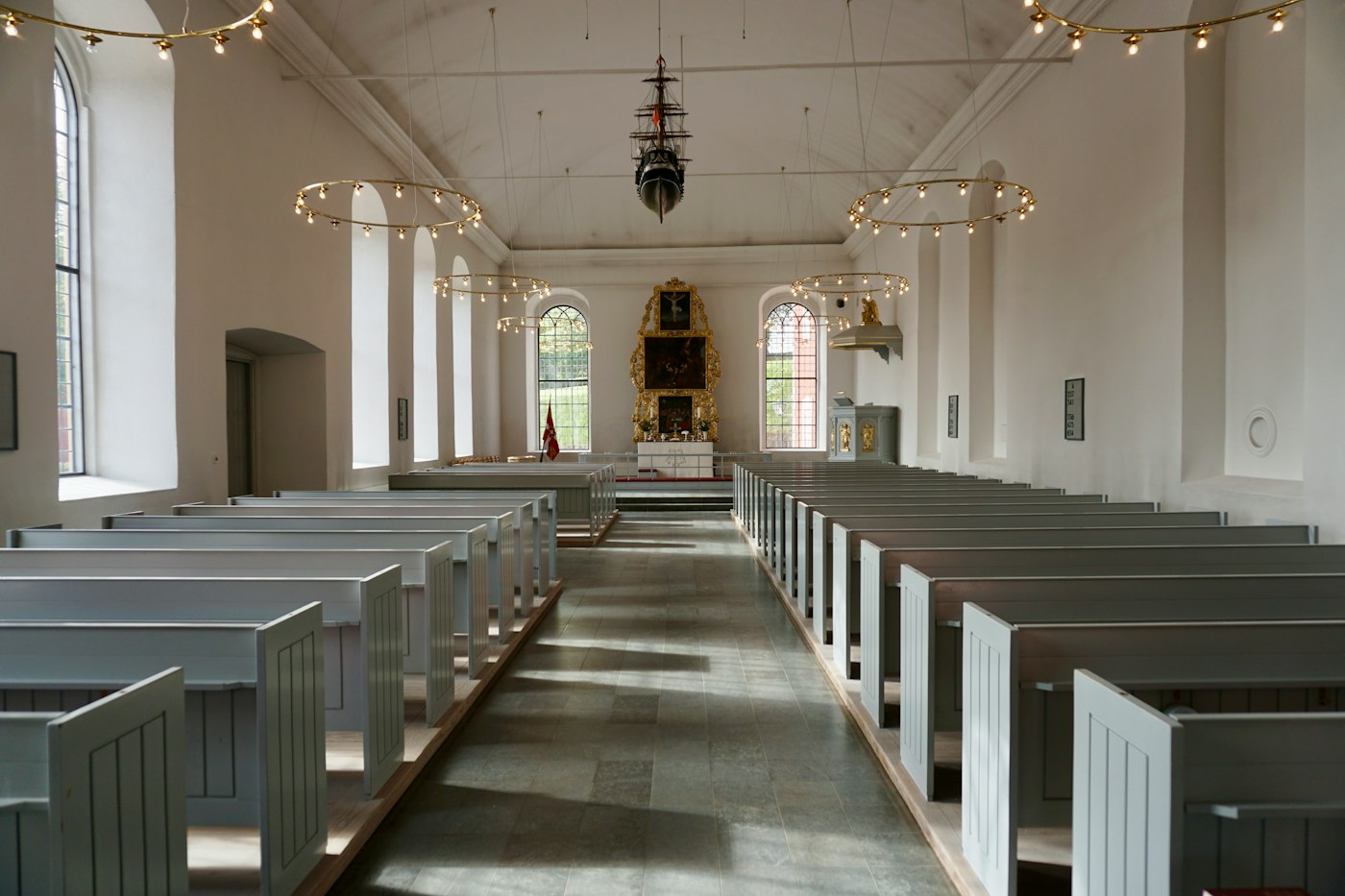
I visit churches where no one knows me. I notice who speaks to me and who does not. Every pastor should be a stranger in a church once a year. It changes how you greet. Since I left the pulpit, I have walked into many sanctuaries as an unknown face, and it has taught me lessons I never learned standing at the front.
Seeing the Church From the Back Row
When you are the pastor, you never experience your own church as a visitor does. You know where everything is. Everyone knows you. You arrive early and are greeted by name before you are out of the car. You assume that everyone else feels as welcomed as you do.
Walking into a church where no one knows me has opened my eyes. I notice things I never noticed before. Where do I park? Which door do I use? Where is the sanctuary? Is there someone to help me find a seat? Will anyone speak to me, or will I sit alone and leave without a single conversation?
These are the questions every visitor has, and most church members have long since forgotten what it feels like to ask them.
Who Speaks and Who Does Not
I pay attention to who speaks to me. Sometimes it is an official greeter at the door, which is good. Sometimes it is an older woman who notices me sitting by myself and slides over to introduce herself. Sometimes it is a child who waves. Sometimes it is a man who sees me struggling to find the hymn and quietly points to the number.
And I notice who does not speak to me. The people who walk past me to talk with their friends. The ones who glance at me and look away. The groups who gather after the service in tight circles that are hard to break into. I do not hold it against them. I did the same thing for years without realizing it. But I notice.
James warned about showing partiality in the assembly: welcoming the man “with a gold ring, in goodly apparel” while telling the poor man to “stand thou there, or sit here under my footstool” (James 2:2-4). Most churches today would never do that intentionally. But simply overlooking a stranger can send the same message: you do not matter here.
Why Every Pastor Should Do This
I believe every pastor should be a stranger in a church at least once a year. Visit a church in another town on vacation, or during a Sunday away. Go in without announcing yourself. Sit in the back. See what happens.
It will change how you greet. You will remember how it feels to walk in alone. You will notice the visitor in your own congregation who is sitting by themselves. You will start looking for the unfamiliar face before the familiar one. And you will be able to teach your people, from real experience, what it means to welcome a stranger.
Jesus knew what it meant to be the outsider. “He came unto his own, and his own received him not” (John 1:11). He was born where there was no room at the inn. He calls us to receive others as He has received us (Romans 15:7).
What Makes a Visitor Feel Welcome
From my experience as a stranger in many churches, here is what makes the difference.
- A warm greeting at the door that feels genuine rather than scripted.
- Clear signs for the sanctuary, restrooms, nursery and classrooms.
- Someone who introduces themselves and asks your name, without prying.
- A person who sits nearby and helps you follow the order of service.
- A pastor who acknowledges visitors warmly from the pulpit without singling anyone out awkwardly.
- Conversation after the service. This is the moment when most visitors are either embraced or left alone.
- An invitation to return, to a class, or to a meal, offered sincerely.
What Makes a Visitor Feel Invisible
And here is what makes a stranger feel they do not belong.
- No one speaks to them from the moment they walk in until the moment they leave.
- Insider language and announcements that assume everyone already knows the people and programs.
- Members who are friendly with each other but never look beyond their circle.
- Being stared at, or being made the center of attention without warning.
- A rush to the parking lot as soon as the last amen is said.
A Practice for Church Members Too
You do not have to be a pastor to learn from this. If you have attended the same church for years, consider visiting another congregation once on a vacation Sunday. Pay attention to how it feels to be unknown. Then come home and look at your own church through those eyes.
And every Sunday in your own church, look for the person you do not recognize. “Be not forgetful to entertain strangers: for thereby some have entertained angels unawares” (Hebrews 13:2). You may never know whom you were welcoming.
What to Do This Week
- On Sunday, look for one person you do not know and greet them before you greet a friend.
- Read James 2:1-9 and ask God to show you any partiality in your heart.
- If you are a pastor, plan a Sunday in the coming year to worship somewhere as a stranger.
- Walk through your church’s entrance as if you had never been there and notice what a visitor would see.
- Pray for the visitors who will walk into churches across your community this Sunday.
Prayer: Lord, make us notice the stranger. Amen.