
Many Christians assume Pentecost began in Acts 2. In fact, the disciples were in Jerusalem that morning because Pentecost was already a major festival. It was the Feast of Weeks, one of the three great pilgrimage feasts of Israel, and it had been celebrated for centuries. Knowing its background makes the events of Acts 2 even richer.
Where the Name Comes From
The word Pentecost comes from the Greek for “fiftieth.” The Hebrew name, Shavuot, means “weeks.” Both names point to the same counting instruction in the Law of Moses: “And ye shall count unto you from the morrow after the sabbath, from the day that ye brought the sheaf of the wave offering; seven sabbaths shall be complete: Even unto the morrow after the seventh sabbath shall ye number fifty days; and ye shall offer a new meat offering unto the LORD” (Leviticus 23:15-16, KJV).
The count began in the Passover season, when the first sheaf of the new grain harvest was waved before the Lord. Seven weeks later, as the grain harvest drew to a close, came the Feast of Weeks.
A Harvest Festival
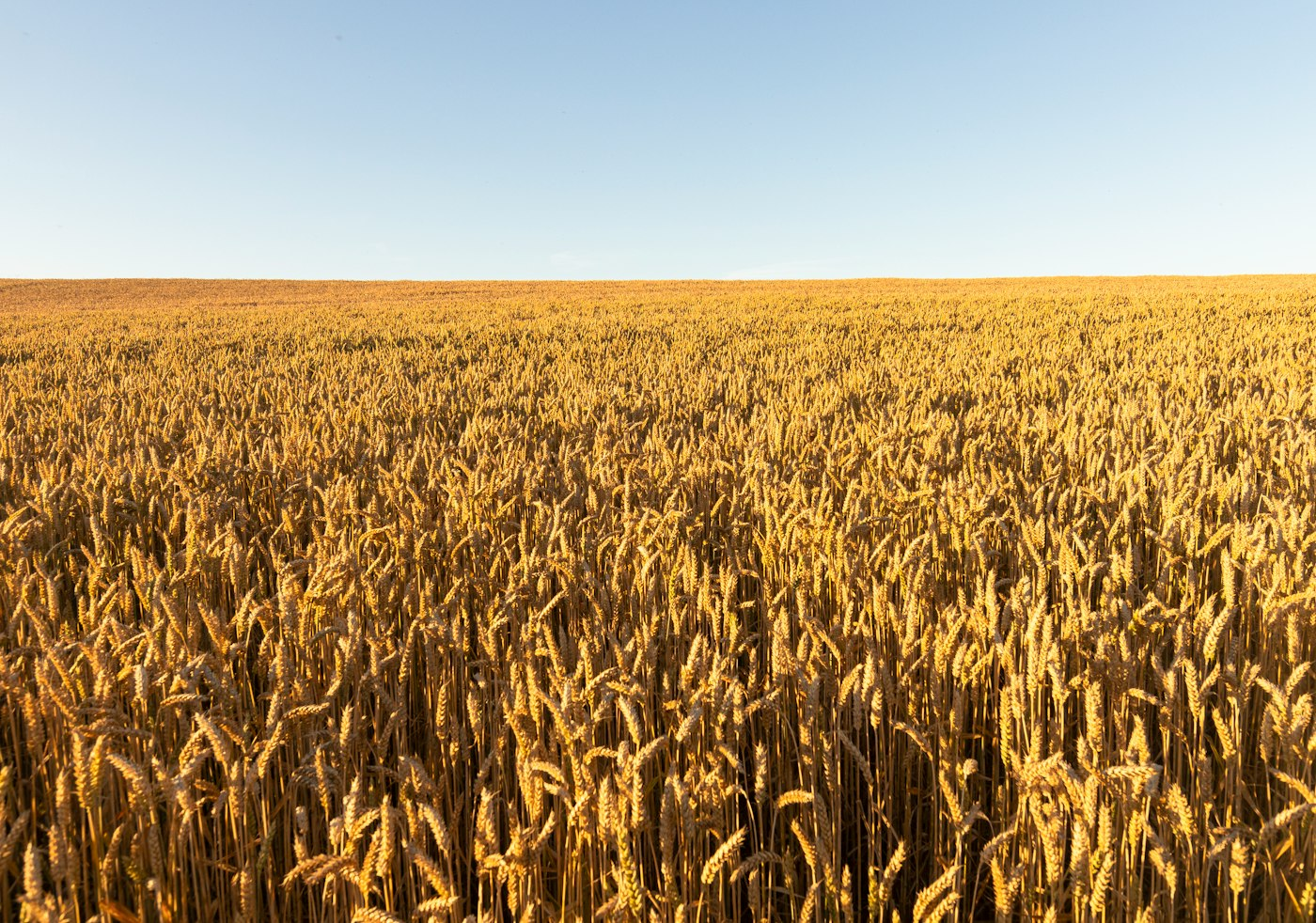
Scripture calls it “the feast of weeks, of the firstfruits of wheat harvest” (Exodus 34:22) and “the feast of harvest” (Exodus 23:16). On that day two loaves made from the new wheat were presented as firstfruits (Leviticus 23:17). It was a day of thanksgiving for God’s provision, offered as a confession that the whole harvest belonged to Him.
Deuteronomy describes the spirit of the day. The people were to bring “a tribute of a freewill offering of thine hand” and to “rejoice before the LORD thy God, thou, and thy son, and thy daughter, and thy manservant, and thy maidservant, and the Levite that is within thy gates, and the stranger, and the fatherless, and the widow” (Deuteronomy 16:10-11). Everyone was invited, especially those who had no land of their own.
Right after the instructions for the feast comes a command not to reap the corners of the field but to leave them “unto the poor, and to the stranger” (Leviticus 23:22). Gratitude and generosity belonged together.
A Festival of Pilgrims
The Feast of Weeks was one of three feasts when the men of Israel were to “appear before the LORD thy God in the place which he shall choose,” along with Unleavened Bread and Tabernacles (Deuteronomy 16:16). Acts 2 describes devout Jews and converts in Jerusalem from across the Roman world and beyond, from Parthia in the east to Rome in the west. God chose a day when the city was full of people from many nations.
In later Jewish tradition, Shavuot also came to be associated with the giving of the Law at Mount Sinai, and the book of Ruth, a story set in the harvest fields, is read in synagogues at this season.
What the Background Reveals
- Pentecost is a firstfruits day. The roughly three thousand who believed in Acts 2 were the first sheaf of a harvest that is still being gathered from every nation.
- It follows Passover. Paul wrote that “Christ our passover is sacrificed for us” (1 Corinthians 5:7). Fifty days after the cross, the Spirit was poured out. Redemption leads to empowered life.
- It is for everyone. The feast that welcomed servants, strangers, widows and orphans became the day God poured out His Spirit “upon all flesh” (Acts 2:17).
When you celebrate Pentecost, remember the wheat fields of Israel. The God who gave the harvest then is still bringing in a harvest now, and He still invites the whole household, and the stranger, to rejoice.
Going Deeper: Sinai and the Upper Room
The later Jewish tradition that tied the Feast of Weeks to the giving of the Law at Sinai opens a striking comparison with Acts 2. At Sinai, God came down in fire and the mountain shook (Exodus 19:18). At Pentecost, God came with a sound from heaven and tongues like fire. At Sinai, the Law was written on tablets of stone. At Pentecost, the Spirit came to write God’s ways on human hearts, just as the prophets had promised: “I will put my law in their inward parts, and write it in their hearts” (Jeremiah 31:33).
Paul draws the contrast directly when he speaks of a letter “written not with ink, but with the Spirit of the living God; not in tables of stone, but in fleshy tables of the heart” (2 Corinthians 3:3). Whatever one makes of the tradition, the biblical thread is clear: God has always wanted to dwell among His people and shape them from the inside out.
A sobering contrast
Some readers have noticed another parallel. After the Law was given, about three thousand people died because of the golden calf (Exodus 32:28). At Pentecost, about three thousand were added to the church (Acts 2:41). Paul says, “the letter killeth, but the spirit giveth life” (2 Corinthians 3:6).
Ruth in the Harvest Fields
It is fitting that Ruth is read at this season. Her story is set “in the beginning of barley harvest” (Ruth 1:22) and carries through the wheat harvest. Ruth was a foreigner, a Moabite widow, who gleaned in the corners of Boaz’s field, the very corners the Law told farmers to leave for the poor and the stranger. Through Boaz’s kindness she was welcomed into Israel, and she became the great-grandmother of King David (Ruth 4:17) and an ancestor of Jesus (Matthew 1:5).
Ruth is a picture of Pentecost before Pentecost: a stranger from another nation gathered into the family of God through grace.
Putting It Into Practice
- Count your blessings like a harvest. Take time this week to list the ways God has provided for you this year.
- Leave the corners. Look for a way to share from your abundance with someone in need: a meal, a gift, an hour of help.
- Welcome the stranger. Invite someone new to your table or your pew. The feast was always meant to include them.
- Read Ruth. It takes less than half an hour. Read it with Pentecost in mind.
Questions Readers Ask
Do Christians need to keep the Feast of Weeks?
Christians are not bound to keep the Old Testament feasts (Colossians 2:16-17), but learning about them helps us understand the New Testament. Pentecost fulfills what the Feast of Weeks foreshadowed.
Why does Pentecost always fall on a Sunday?
Because it is counted fifty days from Easter Sunday, inclusive. Seven weeks of seven days plus one lands on the first day of the week again, the day of resurrection.