
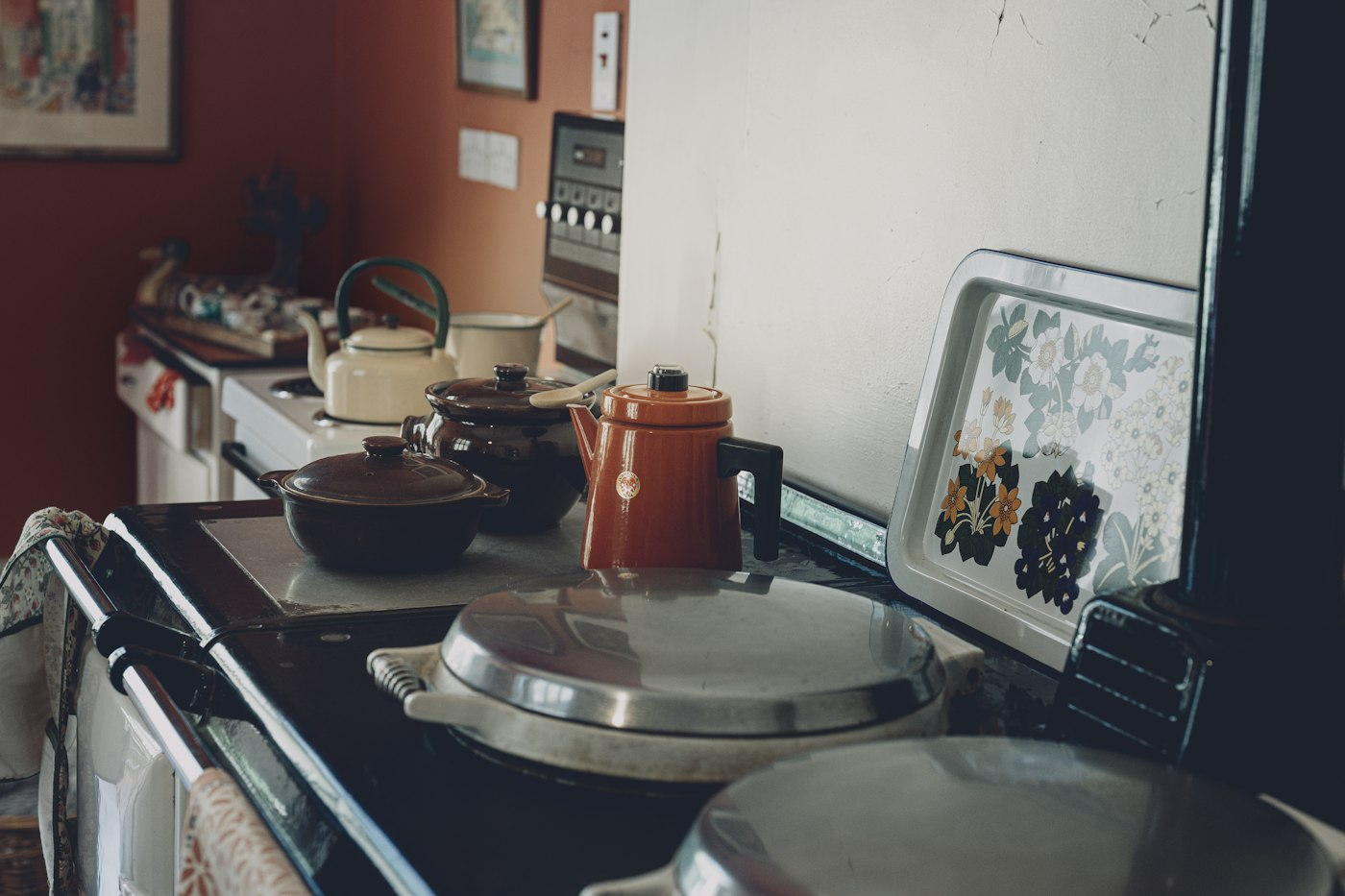
Funerals, weddings, fellowship meals, VBS snacks. The women and men who ran the church kitchen fed a congregation through every season of life. They rarely stood in the pulpit or sang a solo, but if you asked me where some of the most faithful ministry in the church happened, I would point you to the room with the big stove and the long counter.
A Kitchen for Every Season
Think about how many moments in the life of a church pass through its kitchen.
- Funerals. When a family is grieving, the meal after the service is often the first moment they can breathe. The kitchen crew may get a day’s notice, and they show up anyway.
- Weddings. Receptions in the fellowship hall, with punch and cake and finger sandwiches, made by people who often watched the bride or groom grow up.
- Fellowship meals. Wednesday night suppers, covered-dish Sundays, homecoming dinners. These meals turn a congregation into a family.
- Vacation Bible School. Hundreds of cups of juice and plates of cookies, served to children who will remember the snacks long after they forget the craft.
- Meals for the sick and new parents. Casseroles carried out to homes when someone comes home from the hospital or a new baby arrives.
- Community outreach. Many church kitchens have fed people from outside the congregation who simply needed a hot meal.
Every one of those moments was made possible by people who gave their time, their skill and often their own groceries without being asked twice.
The Bible Takes Tables Seriously
It is easy to think of kitchen work as less spiritual than preaching or teaching. Scripture does not see it that way.
In Acts 6, when the early church grew and widows were being overlooked in the daily distribution of food, the apostles chose seven men “of honest report, full of the Holy Ghost and wisdom” to oversee the serving of tables (Acts 6:3). Feeding people well was important enough to require Spirit-filled leaders. One of those seven was Stephen, who became the church’s first martyr.
The early believers “continuing daily with one accord in the temple, and breaking bread from house to house, did eat their meat with gladness and singleness of heart” (Acts 2:46). Shared meals were at the heart of church life from the very beginning.
Jesus Himself spent much of His ministry at tables. He fed the five thousand. He ate with tax collectors and sinners. He cooked breakfast over a fire on the shore for His tired disciples after His resurrection (John 21:9-12). And He gave us a meal, the Lord’s Supper, as the way to remember Him.
Martha, Dorcas and the Cup of Cold Water
Some people read the story of Mary and Martha (Luke 10:38-42) and decide that Martha’s kitchen work was the wrong choice. But Jesus did not rebuke Martha for serving. He gently corrected her for being “careful and troubled about many things.” The lesson is not that cooking is unimportant. It is that our service should flow from time spent at Jesus’ feet, not replace it.
Then there is Dorcas, or Tabitha, in Acts 9. She was “full of good works and almsdeeds.” When she died, the widows stood around Peter “weeping, and shewing the coats and garments which Dorcas made” (Acts 9:39). Her ministry was practical and unseen, and the church grieved her deeply. God raised her up through Peter, and many believed.
Jesus promised, “whosoever shall give to drink unto one of these little ones a cup of cold water only in the name of a disciple, verily I say unto you, he shall in no wise lose his reward” (Matthew 10:42). If a cup of cold water is remembered in heaven, so is a funeral meal cooked on short notice.
What I Learned From the Kitchen Crews
As a pastor, I depended on these folks more than they probably knew. When I got word that a member had died, one of my first thoughts was of the kitchen, because I knew the family would need to be fed. And I never once had to worry. They were always there.
I learned from them that faithfulness often looks like showing up and doing the next thing that needs doing. They did not wait to be thanked. They did not need to be in charge. They just served, season after season, year after year. “And whatsoever ye do, do it heartily, as to the Lord, and not unto men” (Colossians 3:23). I saw that verse lived out over dishwater and serving trays.
How to Bless Your Church’s Kitchen Crew
- Thank them by name. Go back to the kitchen after a meal and tell them you appreciate them.
- Help clean up. The work does not end when the food is served. Stay and wash a few dishes.
- Volunteer to learn. Many kitchen crews are getting older. Younger members are needed to carry on the work.
- Respect the space. Follow their systems, put things back where they belong, and do not leave messes for them to find.
- Pray for them. Many of them carry burdens of their own while they serve others.
- Bring a dish. When the call goes out for food, answer it, even if all you can bring is a bag of rolls.
What to Do This Week
- Read Acts 6:1-7 and notice how seriously the early church took the serving of tables.
- Thank someone who has served in your church kitchen.
- Take a meal to someone who is sick, grieving or recently home from the hospital.
- Ask about serving at your church’s next fellowship meal or funeral dinner.
- Before your next meal, pray for the people who feed others in Jesus’ name.
Prayer: Lord, bless the kitchen crews. Amen.