
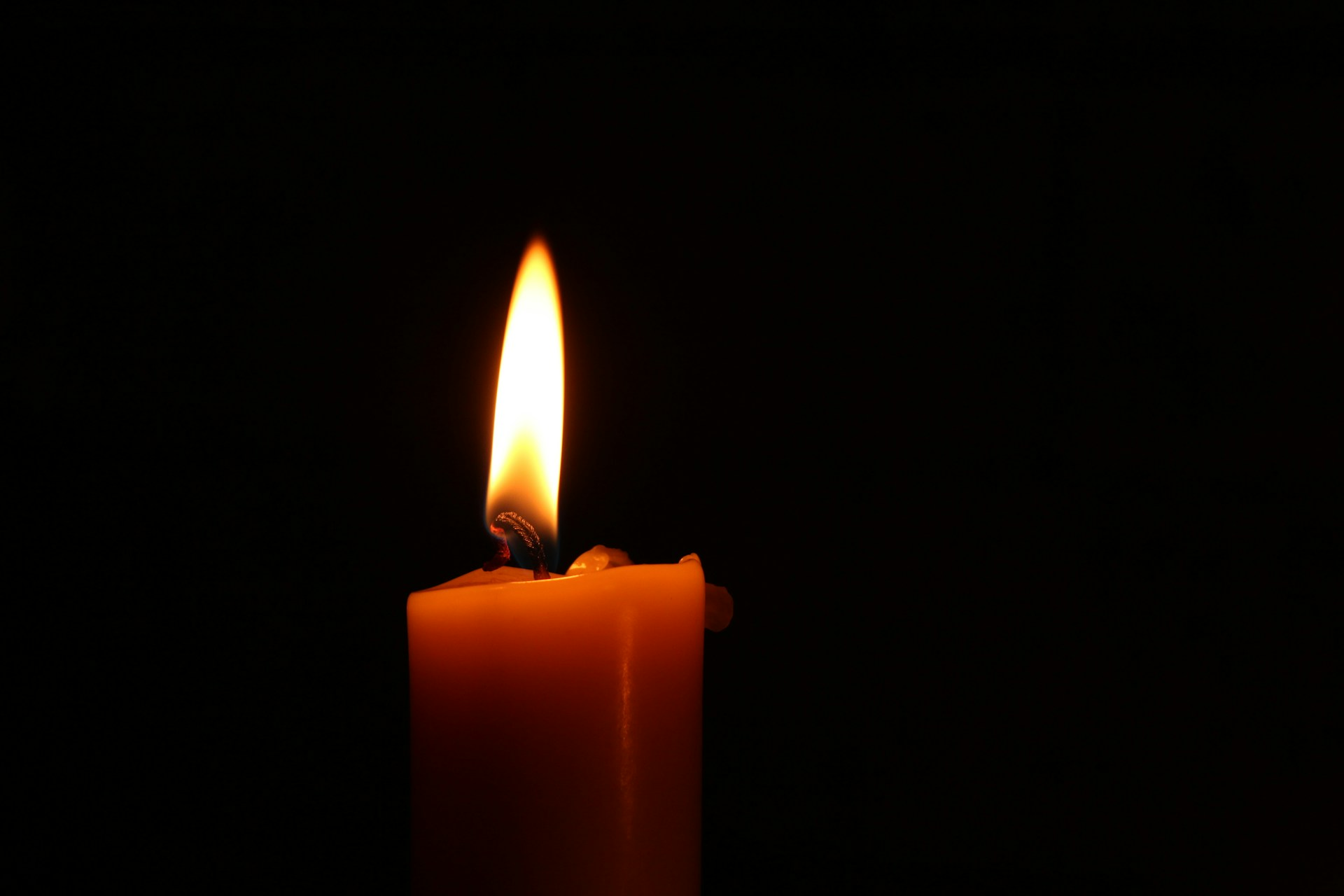
Some of the most powerful worship in Scripture happened in a prison cell at midnight. Paul and Silas had been beaten and locked in stocks in the Roman colony of Philippi. Their backs were raw, their feet were fastened and their future was uncertain. And they sang. Acts 16:16-34 tells the story, and it has strengthened believers in dark hours ever since.
How They Got There
Paul and Silas had come to Philippi after a vision called them to Macedonia. A businesswoman named Lydia believed, and a small church began meeting in her home. Then Paul cast a spirit of divination out of a slave girl whose owners profited from her fortune-telling. Furious at their lost income, the owners dragged the missionaries before the magistrates. The crowd joined in, and Paul and Silas were stripped, beaten with rods and thrown into prison. The jailer “thrust them into the inner prison, and made their feet fast in the stocks” (Acts 16:24, KJV).
They had done good, and they suffered for it.
At Midnight
“And at midnight Paul and Silas prayed, and sang praises unto God: and the prisoners heard them” (Acts 16:25). Midnight is the darkest hour, when pain feels heaviest and sleep will not come. It was precisely then that they chose to pray and sing.
In the book of Job, Elihu laments that no one says, “Where is God my maker, who giveth songs in the night” (Job 35:10). Paul and Silas knew where He was. Their circumstances had not changed, but their focus had.
And notice the last phrase: “the prisoners heard them.” Worship in hardship is never private. Others are listening to how believers respond to suffering.
An Earthquake and an Open Door
“And suddenly there was a great earthquake, so that the foundations of the prison were shaken: and immediately all the doors were opened, and every one’s bands were loosed” (Acts 16:26). The jailer woke, saw the open doors and, assuming the prisoners had escaped, was about to take his own life. Paul called out, “Do thyself no harm: for we are all here” (Acts 16:28).
Remarkably, no one ran. Paul and Silas stayed, and their staying saved the man who had locked them up.
What Must I Do to Be Saved?
Trembling, the jailer fell before them and asked the most important question anyone can ask: “Sirs, what must I do to be saved?” The answer was simple: “Believe on the Lord Jesus Christ, and thou shalt be saved, and thy house” (Acts 16:30-31).
That same night the jailer washed their wounds, and he and his household were baptized. He brought them into his home, set food before them and “rejoiced, believing in God with all his house” (Acts 16:34). The night that began with beatings ended with a baptism and a meal.
Singing in Your Midnight
Years later Paul wrote to this same church in Philippi, “Rejoice in the Lord alway: and again I say, Rejoice” (Philippians 4:4). The church that began with a businesswoman and a jailer had seen what rejoicing in hardship looked like.
- Pray before you understand. Paul and Silas prayed without knowing how the night would end.
- Sing truth. When feelings fail, hymns and psalms can carry faith.
- Remember who is listening. Your response to trouble may be someone else’s turning point.
- Look for the open door. God may use your hardest night for someone else’s salvation.
Going Deeper: Philippi and the Letter of Joy
The story in Acts 16 becomes even richer when we read it alongside the letter Paul later wrote to the same church. Philippians is often called the epistle of joy, and the words “joy” and “rejoice” appear again and again in its four short chapters. What makes that remarkable is that Paul wrote it while he was again in chains (Philippians 1:13).
The members of that church knew exactly what he meant when he wrote, “I have learned, in whatsoever state I am, therewith to be content” (Philippians 4:11). They had heard the stories of the night in the inner prison. Some of them, like the jailer and his household, had been there. Paul’s joy was not a theory. It had been tested in their own city.
Paul also told them, “Be careful for nothing; but in every thing by prayer and supplication with thanksgiving let your requests be made known unto God. And the peace of God, which passeth all understanding, shall keep your hearts and minds through Christ Jesus” (Philippians 4:6-7). That is a description of what happened at midnight in the Philippian jail. Prayer and praise rose up, and peace kept their hearts long before the earthquake came.
Songs for Your Own Midnight
We do not know which songs Paul and Silas sang. As devout Jews, they likely knew the Psalms by heart. Here are a few psalms that make good “night songs” for any believer.
- Psalm 4:8: “I will both lay me down in peace, and sleep: for thou, LORD, only makest me dwell in safety.”
- Psalm 42:8: “Yet the LORD will command his lovingkindness in the day time, and in the night his song shall be with me.”
- Psalm 63:6-7: “When I remember thee upon my bed, and meditate on thee in the night watches… in the shadow of thy wings will I rejoice.”
- Psalm 77:6: “I call to remembrance my song in the night: I commune with mine own heart.”
- Psalm 121:4: “Behold, he that keepeth Israel shall neither slumber nor sleep.”
Many believers also find comfort in the old hymns they learned as children. A familiar hymn can come back to us when nothing else will, which is one good reason to keep singing them in church.
What This Means for You
Most of us will never be beaten for preaching the gospel. But all of us will have midnights: a diagnosis, a broken relationship, a lost job, a long night beside a sick loved one. This story does not promise that every prison door will swing open. Paul was imprisoned again later, and early church tradition holds that he eventually gave his life for Christ in Rome. What the story does promise is that God is present in the dark and that praise is possible there.
A Simple Practice
- When you cannot sleep for worry, keep a Bible or a hymnal by the bed.
- Read or quietly sing one psalm or hymn verse.
- Name one thing you can thank God for, even a small one.
- Pray for someone else who may be awake and hurting tonight.
Questions for Reflection
- Who in my life has watched how I handled a hard season? What did they learn about God?
- Is there a “jailer” in my story, someone who hurt me, whom God might want to reach through me?
- What truths about God do I want to have memorized before my next midnight comes?