
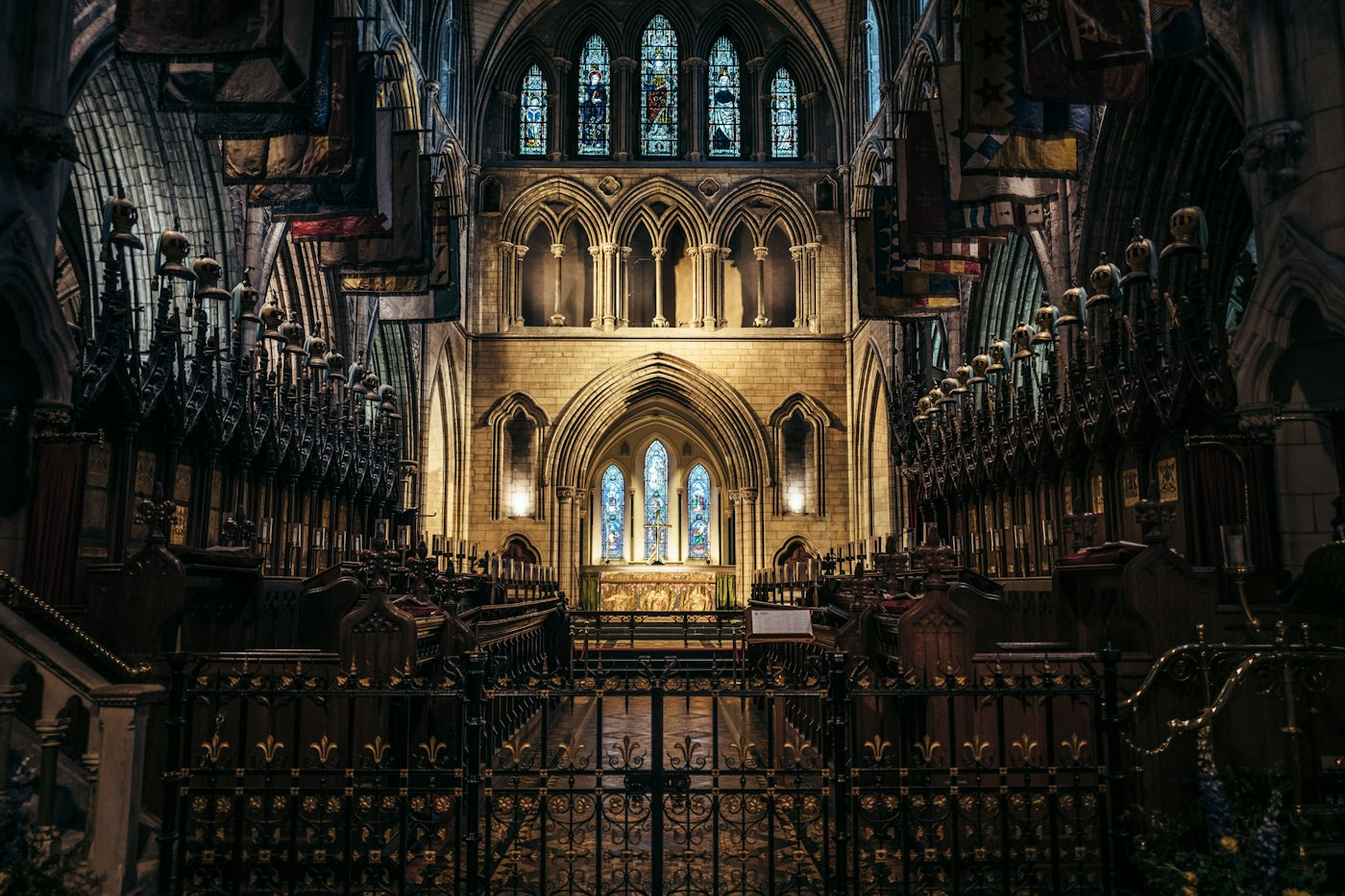
On October 31 the church remembers the recovery of the gospel of grace. While much of the country thinks only of costumes and candy that night, many Christians will also mark Reformation Day, remembering the time in 1517 when Martin Luther challenged the church of his day with his Ninety-five Theses in Wittenberg. It was the beginning of a great rediscovery. But here is what I have come to believe after many years in ministry: the gospel needs recovering in every generation. What was rediscovered then can be lost again, quietly, in our own churches and in our own hearts.
What Was Recovered
The Reformers did not invent a new message. They recovered an old one. Through careful study of Scripture, men like Luther came to see clearly what the apostles had taught: that sinners are made right with God not by their own works, but by grace alone, through faith alone, in Christ alone.
The heart of it is found in passages like Romans 3:23–24: “For all have sinned, and come short of the glory of God; being justified freely by his grace through the redemption that is in Christ Jesus.” And Galatians 2:16: “A man is not justified by the works of the law, but by the faith of Jesus Christ.”
The Reformers also insisted that Scripture alone is the final authority for the church, above tradition and human opinion. They wanted ordinary people to read the Bible in their own language. And they emphasized that all of this was for the glory of God alone.
How the Gospel Gets Lost
It may seem strange to say that the gospel could be lost in a church where it is preached. But history shows it happens again and again. The pattern is not new. Even in the New Testament, Paul had to write to the Galatians, “I marvel that ye are so soon removed from him that called you into the grace of Christ unto another gospel” (Galatians 1:6). Within a few years of their conversion, they were drifting.
In the Old Testament, during the reign of King Josiah, the book of the law was found in the temple during repairs (2 Kings 22:8). It had been lost in the very house of God. When Josiah heard it read, he tore his clothes in grief, because he realized how far the people had wandered (2 Kings 22:11).
The gospel tends to slip away in quiet ways:
- Grace becomes a reward. We start to think God loves us because we are good, rather than in spite of our sin.
- Morality replaces the gospel. Sermons become lists of things to do, with little mention of what Christ has done.
- Tradition overtakes Scripture. “We have always done it this way” becomes more important than “What does the Bible say?”
- Christ becomes an add-on. He is mentioned, but He is no longer the center.
- Assurance fades. Believers live anxious lives, never sure if they have done enough.
Recovering Grace in Our Generation
If every generation must recover the gospel, then the work belongs to us too. How do we do it? The same way it was done before: by returning to Scripture.
Here are some ways churches and individual believers can keep the gospel of grace at the center:
- Read the Bible for yourself. The Reformers worked hard to put Scripture in the hands of ordinary people. Do not neglect that gift.
- Preach Christ. Pastors, make sure every sermon points to what Jesus has done, not only to what we must do.
- Teach the basics. Do not assume people understand justification, grace and faith. Explain them clearly and often.
- Sing the gospel. Choose hymns and songs that tell the story of redemption.
- Celebrate the Lord’s Supper and baptism as signs of grace. They proclaim what Christ has done.
- Examine your own heart. Ask yourself honestly whether you are resting in grace or trying to earn God’s favor.
Grace and the Christian Life
Recovering grace does not mean ignoring holiness. The Reformers were clear on that. Faith alone saves, but the faith that saves is never alone. Paul writes in Titus 2:11–12: “For the grace of God that bringeth salvation hath appeared to all men, teaching us that, denying ungodliness and worldly lusts, we should live soberly, righteously, and godly, in this present world.”
Grace does not just forgive us. It teaches us. It changes us from the inside. The person who truly understands grace does not use it as an excuse to sin. He is so grateful for it that he wants to live for the One who gave it.
A Personal Word
I have written before about the years I spent trying to earn what was already given. That experience is why Reformation Day means so much to me. It is not merely a date in church history. It is a reminder that I, too, need to recover the gospel, again and again. Every morning I am tempted to rely on my own performance. Every morning I need to hear again that Christ has done it all.
That is why I say the gospel needs recovering in every generation, and perhaps in every heart, every day.
What to Do This Week
- Read Romans 3:21–28 and Galatians 2:16–21 before October 31.
- Read 2 Kings 22 and notice how Josiah responded when God’s Word was rediscovered.
- Ask yourself: where am I relying on my own works instead of Christ’s?
- Thank God for the people who handed the gospel down to you.
- Share the good news of grace with one person this week in simple words.
A Prayer
Lord, keep us in grace. Thank You for recovering the gospel in generations past, and recover it in ours. Guard our churches from drifting into works and our hearts from trusting ourselves. Keep Your Word open before us and Christ at the center. Let us rest in what You have done, and live for You with grateful hearts. Amen.