
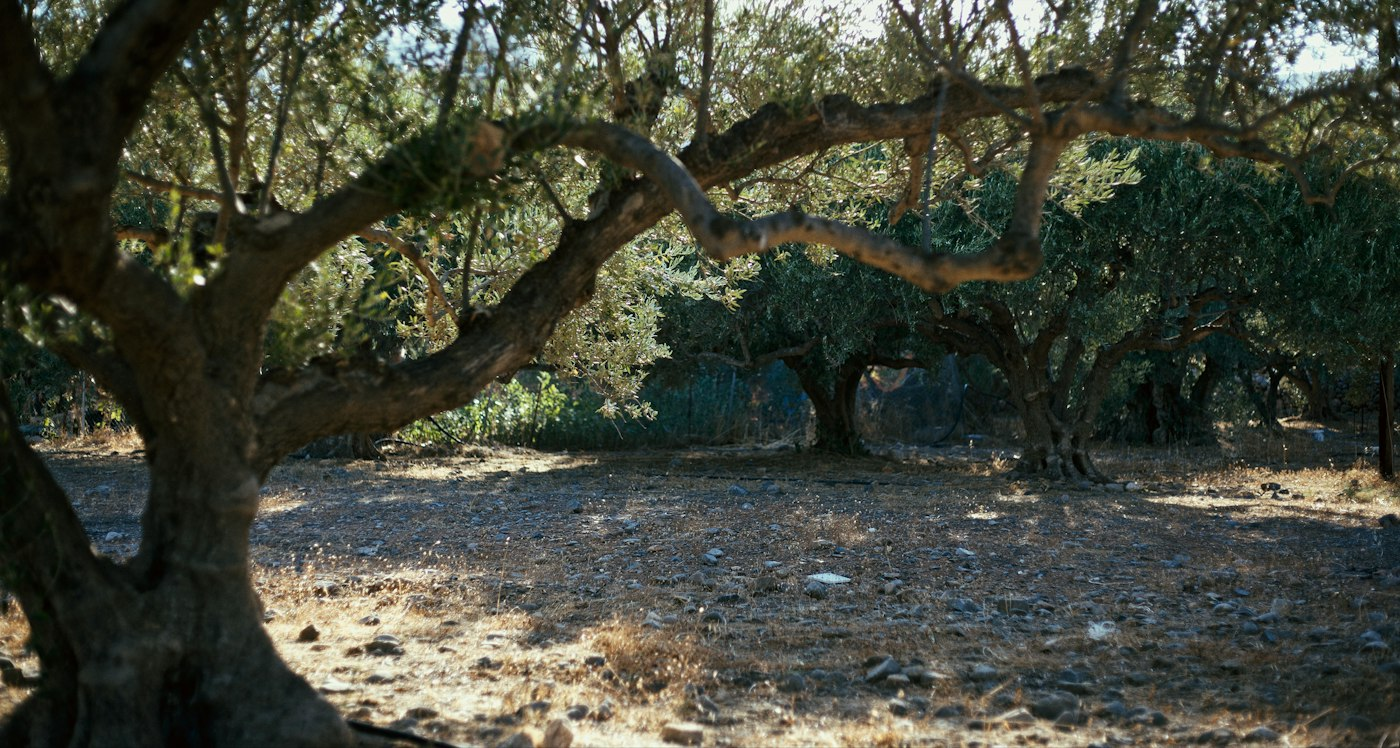
After the Passover meal and the hymn, Jesus led His disciples across the Kidron Valley to an olive grove at the foot of the Mount of Olives. He had gone there often. This night was different. What happened in Gethsemane over the next hour or so is among the most intimate scenes in Scripture, and it shows us how Jesus faced the hardest thing He ever did.
The Place and the Name
Gethsemane means “oil press.” It was a garden where olives were crushed to release their oil, and the name has struck Christians as fitting ever since. Here the Son of God was pressed to the point of breaking.
Jesus took Peter, James and John a little farther than the rest and told them plainly how He felt: “My soul is exceeding sorrowful, even unto death: tarry ye here, and watch with me” (Matthew 26:38, KJV). He did not hide His distress from His closest friends. He asked for their company.
The Prayer
Then He went a little farther, knelt and prayed. Luke records it: “Father, if thou be willing, remove this cup from me: nevertheless not my will, but thine, be done” (Luke 22:42). Mark adds the tender Aramaic word Jesus used for His Father: “Abba” (Mark 14:36).
Look at the two halves of that prayer. The first half is an honest request. Jesus asked for another way. The cup He saw before Him held not only physical death but the full weight of bearing the sin of the world. He did not pretend to want it. The second half is submission. Whatever the Father willed, He would do. He prayed the same prayer three times, and the answer was no.
Luke, a physician, records a detail none of the others do: “And being in an agony he prayed more earnestly: and his sweat was as it were great drops of blood falling down to the ground” (Luke 22:44). An angel came to strengthen Him (Luke 22:43). The Father did not remove the cup, but He did not leave His Son alone with it either.
The Sleeping Disciples
Three times Jesus returned to the disciples and found them asleep. His words to them mix disappointment and compassion: “What, could ye not watch with me one hour?” and then, “Watch and pray, that ye enter not into temptation: the spirit indeed is willing, but the flesh is weak” (Matthew 26:40-41).
In the hour of His greatest need, His friends failed Him. He faced the cup alone, as He would face the cross. And yet He did not reject them. He woke them, warned them and kept praying for them.
What Gethsemane Teaches
- Honest prayer is allowed. Jesus asked for the cup to pass. We may tell God what we want, even when we suspect the answer.
- Submission is a choice, not a feeling. Jesus did not feel like going to the cross. He chose the Father’s will anyway. Obedience in the dark is still obedience.
- Repeated prayer is not weak faith. He prayed three times. Persistence in the same request is Christlike.
- God strengthens without always rescuing. The angel came. The cup stayed. Both were love.
- Jesus understands weakness. Hebrews says He “offered up prayers and supplications with strong crying and tears” and learned obedience through suffering (Hebrews 5:7-8). He knows the garden from the inside.
Our Own Gardens
Everyone eventually prays in Gethsemane: a diagnosis, a loss, a calling we did not want. Jesus’ prayer gives us the words. Ask honestly for the cup to pass. Then say, with Him, “nevertheless not my will, but thine, be done.” The garden is where His obedience was settled. By the time the soldiers arrived, the battle had already been won on His knees.
Going Deeper: What Was in the Cup?
When Jesus prayed for the cup to pass, He was using a picture His disciples would have recognized from the prophets. In the Old Testament, a cup is often an image of God’s judgment against sin:
- “For in the hand of the LORD there is a cup, and the wine is red; it is full of mixture … all the wicked of the earth shall wring them out, and drink them” (Psalm 75:8).
- Isaiah speaks of Jerusalem having drunk “at the hand of the LORD the cup of his fury” (Isaiah 51:17).
- Jeremiah was told, “Take the wine cup of this fury at my hand, and cause all the nations … to drink it” (Jeremiah 25:15).
Jesus’ distress in the garden was not simply fear of pain, though the pain would be terrible. He was facing the full weight of judgment against sin, a cup meant for the guilty, which He would drink in their place. That is why the garden was so dark. The innocent Son was about to take what we deserved. Isaiah’s words were coming true: “the LORD hath laid on him the iniquity of us all” (Isaiah 53:6).
The Arrest: Calm After the Struggle
The contrast between Jesus’ agony in prayer and His calm at the arrest is remarkable. When Judas arrived with soldiers and officers, John records that Jesus went forward to meet them and asked whom they sought. When He answered, “I am he,” they “went backward, and fell to the ground” (John 18:6). He then asked that His disciples be allowed to go free: “let these go their way” (John 18:8).
When Peter struck the servant of the high priest with a sword, Jesus told him to put it away. Luke tells us Jesus touched the man’s ear and healed him (Luke 22:51). Even while being arrested, He was protecting His friends and healing His enemies. The struggle had been fought in prayer. What followed was steady, willing obedience.
Praying Your Own Gethsemane Prayer
When you face something you do not want to face, Jesus’ prayer gives a pattern you can follow:
- Bring a friend if you can. Jesus asked His closest companions to watch with Him. Ask a trusted believer to pray with you.
- Call God “Father.” Begin by remembering whose child you are.
- Ask honestly. Tell Him what you want, plainly and without pretending.
- Surrender deliberately. Say the words, “Nevertheless, not my will, but Thine,” even if your feelings have not caught up.
- Keep praying. It is all right to return to the same prayer many times.
- Watch for strength. God may not remove the cup, but He will send help to carry it.
Questions Readers Ask
Did Jesus doubt the Father’s plan?
No. He felt the full human weight of what lay ahead and asked if there was another way, but He never wavered in trusting the Father. His prayer shows that faith and honest anguish can exist together.
Was His prayer unanswered?
The cup was not removed, but Hebrews says He “was heard in that he feared” (Hebrews 5:7). God answered by strengthening Him and, in the end, by raising Him from the dead.
Father, when I come to my own gardens, teach me to pray as Jesus prayed. Let me ask honestly and surrender fully. Thank You that He drank the cup I deserved. Not my will, but Yours, be done. Amen.