
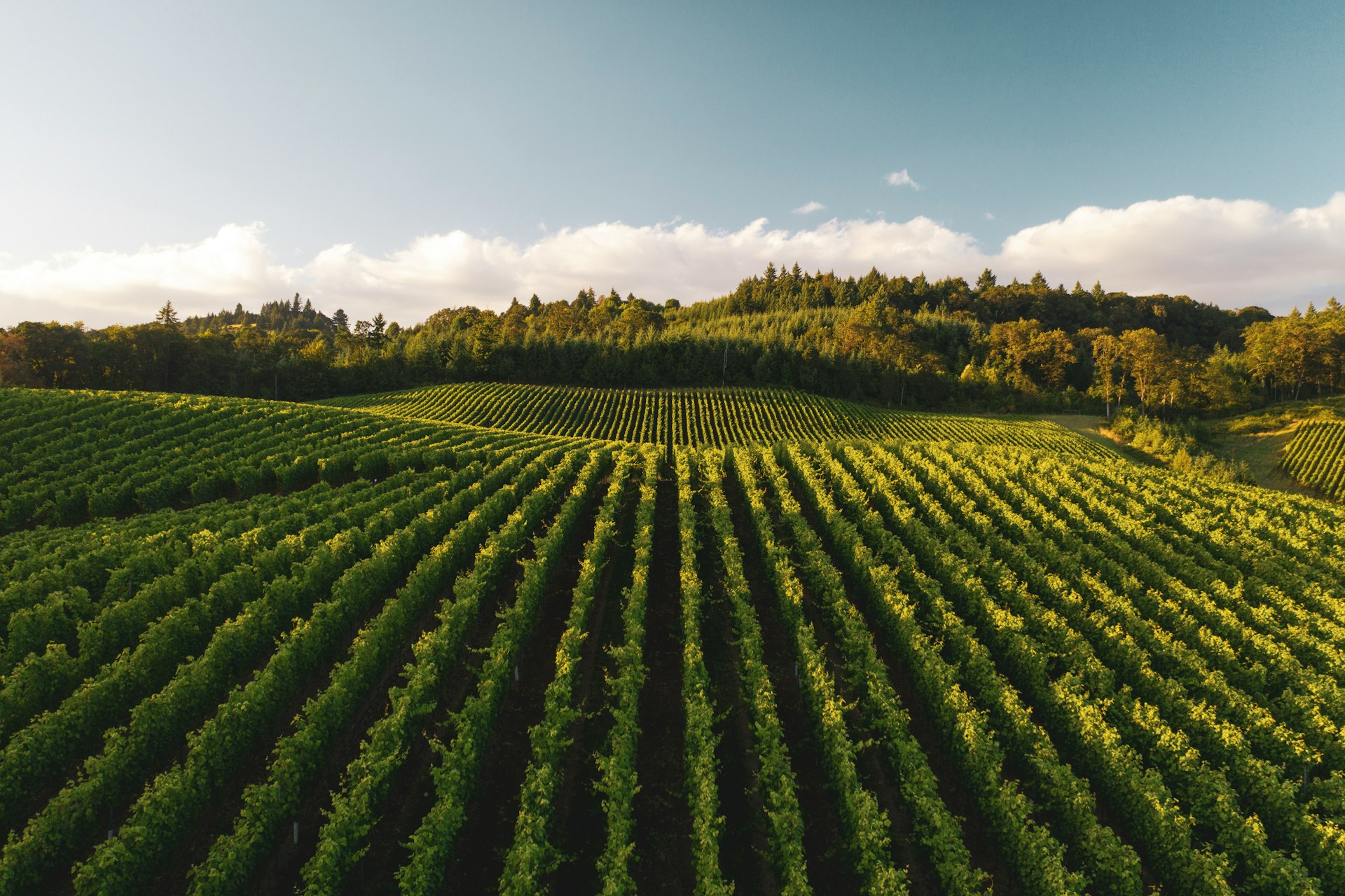
By early summer, grapevines are in full leaf, and gardens show who has been tending them. Jesus chose this familiar picture on the night before His death: “I am the true vine, and my Father is the husbandman” (John 15:1, KJV). In a few verses, He explained the secret of a fruitful Christian life. It is not effort first, but connection.
The Vine and the Branches
Vineyards were everywhere in Israel, and the vine was a long-standing picture of God’s people in the Old Testament (Psalm 80:8; Isaiah 5:1-7). Often Israel was described as a vine that disappointed its owner. Now Jesus called Himself the true vine. He is the faithful one, and believers are joined to Him.
“I am the vine, ye are the branches: He that abideth in me, and I in him, the same bringeth forth much fruit: for without me ye can do nothing” (John 15:5). A branch does not strain to produce grapes. It simply stays attached, and the life of the vine flows through it.
What It Means to Abide
“Abide” means to remain, stay or dwell. Jesus uses the word again and again in this passage. To abide in Christ is to keep living in close, continuing dependence on Him. He gives several clues about what that looks like:
- His words abide in us. “If ye abide in me, and my words abide in you, ye shall ask what ye will, and it shall be done unto you” (John 15:7). Abiding involves Scripture shaping our thoughts and prayers.
- We remain in His love. “As the Father hath loved me, so have I loved you: continue ye in my love” (John 15:9).
- We obey. Jesus connects remaining in His love with keeping His commandments (John 15:10).
The Gardener’s Shears
“Every branch in me that beareth not fruit he taketh away: and every branch that beareth fruit, he purgeth it, that it may bring forth more fruit” (John 15:2). The word “purgeth” means prunes or cleans.
Anyone who has pruned a rosebush or a grapevine knows it looks severe. Healthy growth is cut back so that the plant’s energy goes into fruit instead of leaves. God’s pruning in our lives can feel like loss: a plan that falls through, a habit that has to go, a season of hardship. But notice who holds the shears. It is the Father, the careful gardener, and He prunes the fruitful branches precisely because He wants more fruit.
The Fruit and the Joy
What fruit does Jesus have in mind? Elsewhere Scripture names the fruit of the Spirit, beginning with love, joy and peace. Fruit also includes the good works and changed lives that come from a believer’s witness. “Herein is my Father glorified, that ye bear much fruit; so shall ye be my disciples” (John 15:8).
And Jesus’ purpose in all of this is joy: “These things have I spoken unto you, that my joy might remain in you, and that your joy might be full” (John 15:11). Abiding is not grim duty. It is the way into Christ’s own joy.
Staying Connected This Summer
Summer schedules can loosen our grip on the habits that keep us close to Christ. Try a few simple practices. Read a short passage each morning and carry one phrase with you through the day. Turn ordinary moments, like watering the garden or driving to work, into brief conversations with God. Stay connected to your church family even while traveling. A branch does not need to strain. It needs to stay.
Going Deeper: Vines in the Old Testament
When Jesus said “I am the true vine,” His disciples would have heard echoes of their Scriptures. Psalm 80 describes Israel as a vine God brought out of Egypt and planted in the land, then laments that its walls have been broken down (Psalm 80:8-14). Isaiah sang a “song of my beloved touching his vineyard,” in which God planted choice vines and tended them carefully, yet “it brought forth wild grapes” (Isaiah 5:1-2). Jeremiah recorded God’s sorrowful question: “I had planted thee a noble vine… how then art thou turned into the degenerate plant of a strange vine unto me?” (Jeremiah 2:21).
Against that background, Jesus’ words are full of hope. Where Israel had often failed to bear fruit, He is the faithful vine who never fails. And believers are not asked to become a fruitful vine by their own effort. They are grafted into the One who already is.
Spoken on the way to the garden
John 14 ends with Jesus saying, “Arise, let us go hence” (John 14:31). Many readers imagine that John 15 was spoken as Jesus and His disciples walked through Jerusalem toward Gethsemane, perhaps passing vines or the great golden vine said to have decorated the temple. Whether or not that is so, the timing matters. Jesus taught about abiding on the very night His disciples would be most tempted to scatter.
Signs of Healthy Abiding, and Signs of Drift
Gardeners learn to read their plants. Here are a few signs to watch for in your own spiritual life:
Signs of health
- A growing hunger for Scripture and prayer.
- Increasing patience and kindness toward difficult people.
- Quickness to confess sin and receive forgiveness.
- Joy that is deeper than circumstances.
Signs of drift
- Prayer that has become rare or only in emergencies.
- Busyness that crowds out time with God.
- A critical, restless or anxious spirit.
- Doing religious things without sensing His presence.
Drift is not a reason for despair. A branch does not reconnect by trying harder to produce fruit. It returns to the vine. Simply come back to Him in honest prayer.
Questions Readers Ask
Does pruning mean God is punishing me?
Not necessarily. Jesus says the Father prunes fruitful branches so they will bear more. Some hardships are discipline, but many are part of God’s loving work to make us more fruitful. In either case, He is the careful gardener, not a careless one.
What happens to branches that don’t bear fruit?
Jesus’ warning in John 15:6 is serious. Christians understand it in different ways, but all agree it calls us to examine whether we are truly connected to Christ, and to remain in Him.
How long does it take to bear fruit?
Grapevines often take a few seasons before they produce a good crop. Spiritual fruit, too, grows over time. Be patient with yourself and with others. The Father is a patient gardener.