
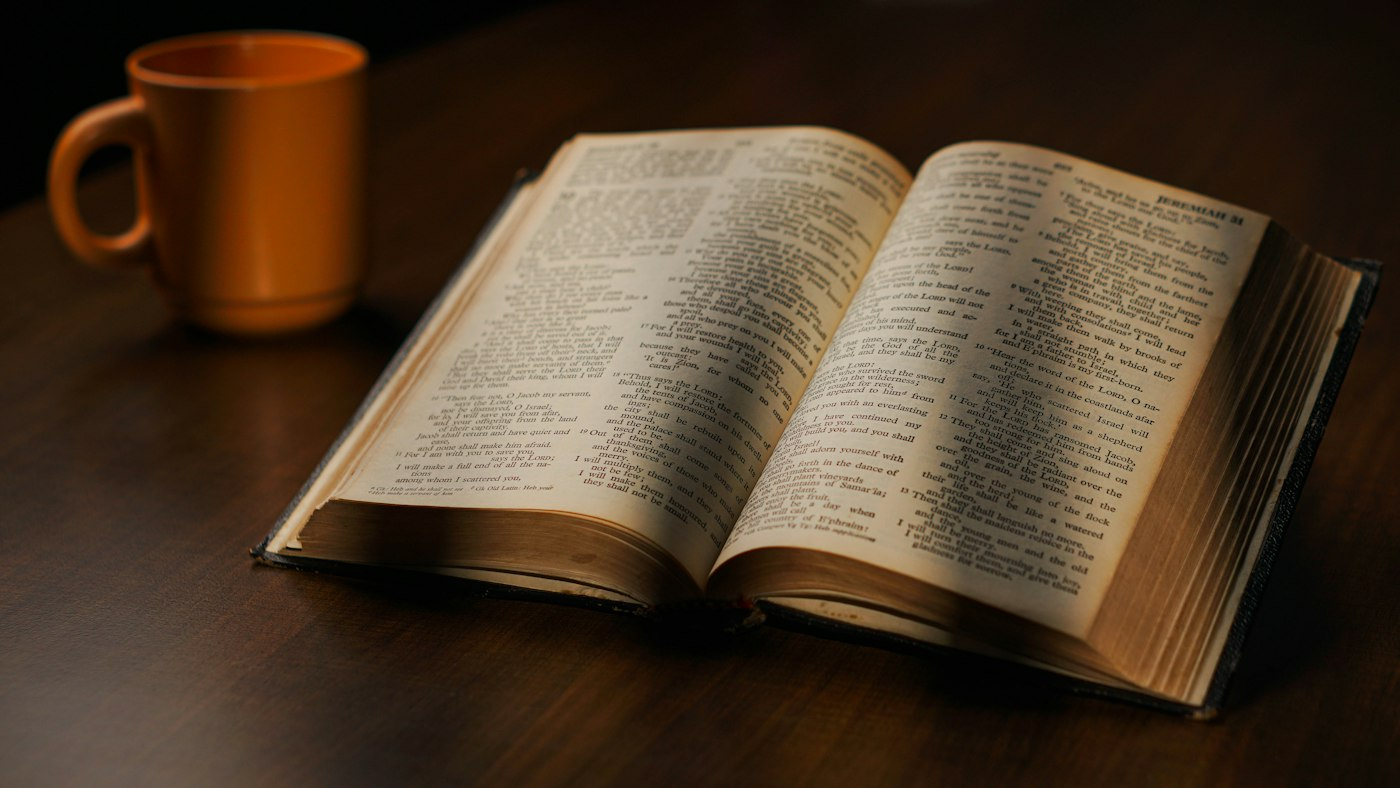
January is the most popular month to start a Bible reading plan, and it is also the month when many plans quietly stall. That is not usually a sign of weak faith. More often, the plan simply did not fit the reader’s season of life.
The good news is that there is no single right way to read the Bible. The goal is not to check boxes but to hear from God through His Word. Choosing wisely at the start can make all the difference.
Start With Your Real Schedule
Before choosing a plan, be honest about your time. A plan that takes forty minutes a day may be wonderful for a retiree and impossible for a parent of toddlers. Ask yourself when you can realistically read and for how long.
Fifteen faithful minutes a day will carry you further than an ambitious plan you abandon in three weeks. Remember that Jesus praised faithfulness in small things (Luke 16:10).
Common Types of Plans
Most reading plans fall into a few familiar shapes. Each has strengths:
- Cover to cover: Genesis to Revelation in order. Simple to follow, though books like Leviticus can slow readers down.
- Chronological: arranges passages in the order events happened, which helps the big story come alive.
- Blended: a daily mix of Old Testament, New Testament, Psalms and Proverbs. The variety keeps many readers engaged.
- New Testament or Gospels focus: a shorter plan that centers on the life and teaching of Jesus.
- Book study: slowly reading one book, a chapter at a time, with time to reflect.
None of these is more spiritual than the others. Pick the one that matches your current hunger and capacity.
Plan for the Days You Miss
You will miss days. Illness, travel and busy weeks happen to everyone. Decide in advance what you will do when it happens. Some readers simply pick up with today’s reading and let the missed days go. Others use Sunday as a catch-up day.
What matters most is not falling into the trap of thinking, “I am so far behind, I may as well quit.” Grace applies to reading plans too. The Word is still there tomorrow, and so is the God who speaks through it.
Read to Meet God, Not Just to Finish
A plan is a tool, not a test. As you read, keep a few questions nearby: What does this passage show me about God? What does it show me about people? Is there a promise to trust, a command to obey or a sin to avoid?
The psalmist wrote, “Thy word is a lamp unto my feet, and a light unto my path” (Psalm 119:105). A lamp is meant to be used, step by step, not admired from a distance.
If you finish your plan in December, celebrate. If you finish it the following spring, celebrate that too. The real victory is a year spent listening to the voice of God.
Matching a Plan to Your Season of Life
It can help to think about the plan you choose the way you would think about shoes for a long walk. The best pair is the one that fits your feet, not the one that looks most impressive in the store. Here are a few common seasons and the kinds of plans that often suit them:
- Parents of young children: A short Gospel plan or a single book read slowly. Five to ten minutes, perhaps during a nap or before the house wakes up. Audio Bibles can be a gift in this season.
- Working adults with long commutes: An audio plan that covers the whole Bible in a year works well for many. Listening still counts as hearing the Word. In Bible times most believers heard Scripture read aloud rather than reading it privately.
- Retirees or those with more free time: A chronological or full-Bible plan, with time added for notes and prayer. This is a wonderful season to go deep.
- New believers: Start with the Gospel of Mark or John, then Acts, then a few of Paul’s shorter letters such as Philippians. Get to know Jesus first, then move into the larger story.
- Anyone in grief or crisis: Consider setting aside a plan altogether for a time and simply reading a psalm each day. The Psalms give words when we have none.
A Simple Way to Start This Week
If you are still deciding, here is a step-by-step approach that has helped many people begin well:
- Choose your time and place first. Decide when and where you will read before you decide what. A familiar chair and a regular time do much of the work for you.
- Pick a plan for one month, not one year. A thirty-day commitment feels possible. When you finish, you can choose the next month’s reading with fresh energy.
- Get your materials ready. Keep your Bible, a pen and a small notebook in the same spot. If you read on a phone, consider turning off notifications during that time.
- Begin with prayer. Something as simple as “Lord, open my eyes, that I may behold wondrous things out of thy law” (Psalm 119:18) is a good way to begin.
- Write one sentence. After each reading, write down one thing you noticed. Over time those sentences become a record of what God has been teaching you.
Common Mistakes and How to Avoid Them
I have watched many sincere people start strong and stall, and the reasons are usually ordinary ones.
Choosing a plan to impress. Some pick the longest plan because it seems the most serious. Better to finish a modest plan than abandon a grand one.
Reading alone without any encouragement. Reading the same plan as a spouse, a friend or a small group gives you someone to talk with about what you read. A simple text asking, “What stood out to you today?” can keep two people going.
Getting stuck in hard books. When you reach long genealogies or detailed laws, it is all right to read a little faster and look for the big picture. Ask what the passage shows about God’s holiness, His care for detail or His faithfulness to generations.
Treating a missed day as a moral failure. A reading plan is a servant, not a master. Guilt rarely produces lasting devotion. Love does.
Questions Readers Ask
Is it better to read a lot or a little?
Both have value. Reading large sections helps you see the big story. Reading small sections slowly helps you see the details. Many people alternate between the two over the years.
Which translation should I use?
Choose a faithful translation you can understand. Many readers love the King James Version for its beauty, while others find a modern translation easier for daily reading. Some keep one of each and compare when a verse is unclear.
What if I do not understand what I read?
That is normal, and it is not a reason to stop. Make a note of your question, keep reading, and bring it to a pastor or a mature friend. Many passages open up over time as you read the whole of Scripture.