
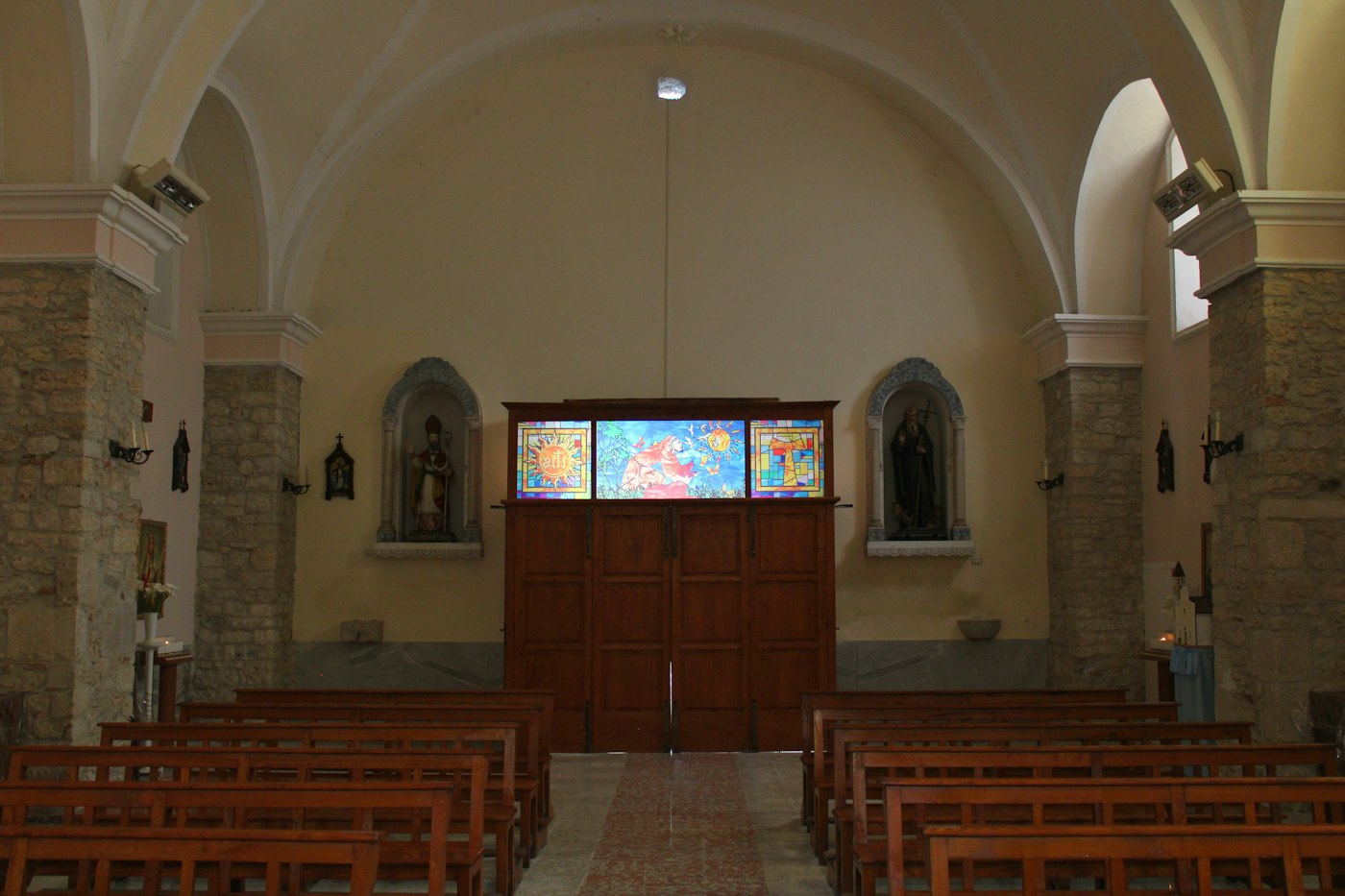
Homecoming meant former members returning, long tables of food, and stories. It reminded a congregation that it had a history and that the history was good. As fall comes on, many churches across the South are planning their homecoming Sundays again, and I find myself thinking about what made those days so special and why they still matter.
What Homecoming Looked Like
If you grew up in a Southern church, you probably know the picture. A Sunday set aside, often in the fall, when people who had moved away came back. Folks who had grown up in the church and now lived across the state, or across the country, would drive in for the day. Families who had not been in the building for years would fill the pews again.
The service would often be longer than usual, with special music and a guest preacher or a former pastor returning. And afterward came the dinner. Long tables, sometimes outside under the trees, covered in fried chicken, casseroles, deviled eggs, biscuits, sweet tea and enough desserts to feed the county. People lingered for hours.
And there were stories, the kind every church has. Who used to sit where. The storm that nearly took the steeple, or the winter the furnace gave out. The teacher who taught everyone in the room their memory verses. The pastors who had come and gone. Old photographs passed from hand to hand. Laughter and a few tears.
A Church Has a History
Homecoming reminded a congregation of something easy to forget in the rush of a normal week: we are not the first ones here. Others prayed in these pews before us. Others gave sacrificially to build these walls. Others taught the children, visited the sick, buried the dead and carried the gospel faithfully through good years and hard ones.
Scripture puts great weight on remembering. When Israel crossed the Jordan, God told Joshua to set up twelve stones as a memorial, so that “when your children ask their fathers in time to come, saying, What mean these stones?” the parents could tell them what the Lord had done (Joshua 4:21-22). The psalmist wrote, “We will not hide them from their children, shewing to the generation to come the praises of the Lord, and his strength, and his wonderful works that he hath done” (Psalm 78:4).
A homecoming Sunday is a kind of memorial stone. It gives the older generation a chance to tell the younger what God has done in that place.
The History Was Good
I chose those words carefully. Not every chapter in a church’s history is easy. Every congregation has had its disagreements, its hard seasons, its mistakes. But when people gathered for homecoming, what rose to the surface was the goodness of God through it all. People had been saved there. Marriages had been made there. Children had grown in the faith there. The Lord had been faithful.
That is worth remembering, especially in times when the church seems weary or divided. A congregation that knows its history is good is better able to face its present with hope. “Jesus Christ the same yesterday, and to day, and for ever” (Hebrews 13:8). The God who was faithful to the saints who went before is faithful still.
The Great Cloud of Witnesses
Homecoming always carried a sweet sadness too. Many faces were missing because they had gone on to be with the Lord. Some churches would read the names of members who had died in the past year. Others would visit the church cemetery.
The writer of Hebrews, after listing the faithful of the Old Testament, says, “Wherefore seeing we also are compassed about with so great a cloud of witnesses, let us lay aside every weight… and let us run with patience the race that is set before us” (Hebrews 12:1). The saints who went before are not simply a memory. Their faithfulness urges us on to run our own part of the race well.
Keeping Homecoming Meaningful Today
Many churches still hold homecoming, and others have let the tradition fade. Whether your church has a formal homecoming or not, here are some ways to keep the spirit of it alive.
- Tell the stories. Invite older members to share how the church began and how they have seen God work. Record them if you can.
- Invite former members. Reach out to people who have moved away. Many would be touched to be remembered.
- Honor those who have died. Read their names, give thanks for their lives, and remind the congregation of their faithfulness.
- Include the children. Let them hear the stories, look at the old pictures and ask, “What mean these stones?”
- Eat together. The early church broke bread “with gladness and singleness of heart” (Acts 2:46). Shared meals build shared life.
- Look forward as well as back. Close by asking what story the next generation will tell about this season.
What to Do This Week
- Read Joshua 4:1-7 and think about the “memorial stones” in your own faith story.
- Thank God for someone in your church’s history whose faithfulness touched your life.
- Ask an older member of your church to tell you a story about its early days.
- If your church holds a homecoming this fall, invite someone who used to attend.
- Read Hebrews 12:1-2 and ask the Lord to help you run your part of the race well.
Prayer: Lord, thank You for the saints who went before. Amen.