
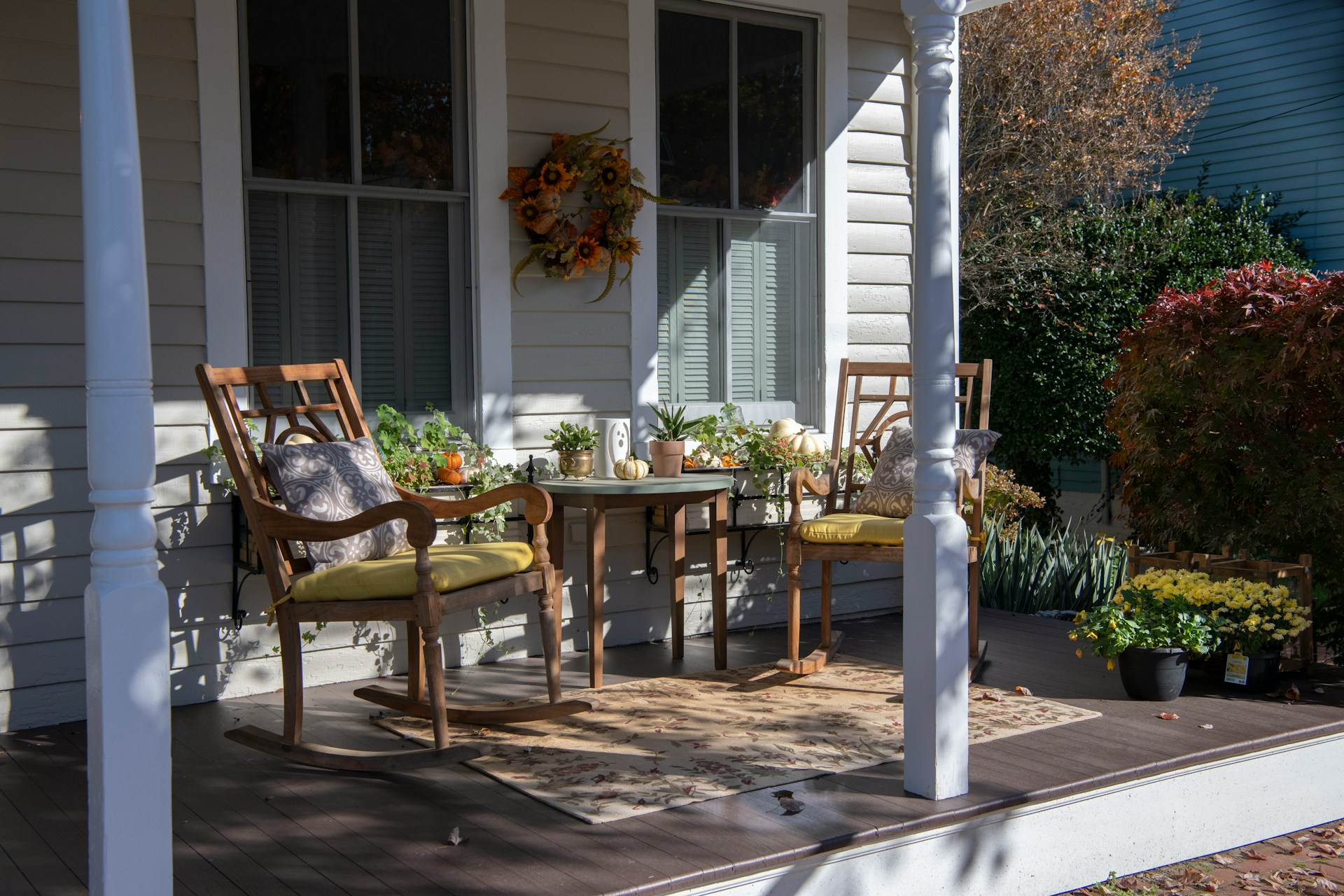
Summer is the season of open doors. Relatives visit, neighbors gather for cookouts, college students come home and churches see visitors who are traveling through. It is the perfect time to recover a practice Scripture treats as essential: hospitality.
A Command With a Surprise
“Be not forgetful to entertain strangers: for thereby some have entertained angels unawares” (Hebrews 13:2, KJV). The Greek word for hospitality literally means “love of strangers.” It is not only about entertaining friends but about welcoming people we do not yet know.
The writer of Hebrews adds a surprising motivation: some who welcomed strangers discovered they had hosted angels. He was almost certainly thinking of Abraham.
Abraham in the Heat of the Day
“And the LORD appeared unto him in the plains of Mamre: and he sat in the tent door in the heat of the day” (Genesis 18:1). It was the hottest part of the day, the time to rest in the shade. Yet when Abraham saw three travelers, “he ran to meet them from the tent door, and bowed himself toward the ground” (Genesis 18:2).
Look at the details of his welcome:
- He was eager. He ran, at nearly a hundred years old, in the heat.
- He met practical needs. “Let a little water, I pray you, be fetched, and wash your feet, and rest yourselves under the tree” (Genesis 18:4).
- He was humble. He offered “a morsel of bread” and then served a feast: fresh cakes, a tender calf, butter and milk.
- He involved his household. Sarah baked; a young servant prepared the meat.
- He served them himself. He “stood by them under the tree, and they did eat” (Genesis 18:8).
Abraham did not know at first who his guests were. One of them was the Lord Himself, who brought the promise that Sarah would have a son.
Hospitality in the New Testament
The early church was built on open homes. Believers broke bread “from house to house” (Acts 2:46). Paul told the Romans to be “given to hospitality” (Romans 12:13), and Peter added a needed note: “Use hospitality one to another without grudging” (1 Peter 4:9).
Jesus pushed hospitality further still. He told His listeners to invite “the poor, the maimed, the lame, the blind,” people who could not repay them (Luke 14:13-14). And He taught that welcoming a stranger in His name was welcoming Him (Matthew 25:35).
Simple Ways to Open Your Home
- Keep it simple. Hot dogs on the porch count. Hospitality is about welcome, not perfection.
- Invite someone new. A neighbor who just moved in, a visitor from church or a coworker far from family.
- Include the overlooked. Widows, singles, international students and the elderly often spend summer weekends alone.
- Involve your children. Let them help set the table and greet guests.
- Welcome visitors at church. Summer travelers notice who says hello.
The Heart Behind It
Hospitality reflects the gospel itself. God welcomed us when we were strangers, prepared a table for us and invited us to stay. When we open our homes, we show others a glimpse of that welcome. You may never know whom you are entertaining. But you will always be serving the One who welcomed you first.
Going Deeper: Hospitality Across the Bible
Abraham’s welcome at Mamre is the most famous example, but Scripture is full of open doors. Lot pressed the two angels to stay in his house in Sodom (Genesis 19:1-3). Rebekah offered water not only to Abraham’s servant but to his camels, which marked her as the answer to his prayer (Genesis 24:17-20). Rahab sheltered the spies in Jericho (Joshua 2). A widow of Zarephath shared her last meal with Elijah, and her flour and oil did not run out (1 Kings 17:10-16). A woman of Shunem built a small room on her roof for Elisha, with “a bed, and a table, and a stool, and a candlestick” (2 Kings 4:10).
In the New Testament, Martha welcomed Jesus into her home (Luke 10:38). Zacchaeus received Him joyfully (Luke 19:6). Lydia urged Paul and his companions, “come into my house, and abide there” (Acts 16:15). Priscilla and Aquila hosted a church in their home (1 Corinthians 16:19). Again and again, the work of God moved forward around kitchen tables and through open doors.
Martha’s lesson
The story of Martha and Mary adds a helpful balance. Martha was “cumbered about much serving,” anxious about getting everything right, while Mary sat at Jesus’ feet (Luke 10:40-42). Jesus did not scold Martha for hosting. He gently reminded her that the guest matters more than the menu. Good hospitality makes room to listen.
Common Obstacles to Hospitality
- “My house isn’t nice enough.” Abraham welcomed guests to a tent and the shade of a tree. People remember warmth, not decor.
- “I’m not a good cook.” Order a pizza or grill hot dogs. The meal is a vehicle for fellowship, not a test.
- “I don’t have time.” Start with something small: dessert after church, coffee on the porch, a single invitation a month.
- “I’m an introvert.” Hospitality can be quiet. One guest and a long conversation is a fine offering.
- “What if it’s awkward?” Sometimes it will be. Abraham’s guests turned out to be unexpected. Trust God with the evening.
A Summer Hospitality Challenge
Consider setting a simple goal for the months ahead:
- Invite one family or person you have never hosted before.
- Include someone who is likely to be alone: a widow, a single adult, a new neighbor, a student far from home.
- At church, greet one visitor each Sunday and learn their name.
- Pray for your guests before they arrive, that your home would be a place of peace.
- At the end of the summer, thank God for each person who sat at your table.
Questions Readers Ask
Should I worry about safety when welcoming strangers?
Wisdom and hospitality go together. Use good judgment, involve others and follow your church’s guidelines for any ministry. Hospitality often happens best in community settings, church gatherings or with friends present.
Does hospitality only mean opening my home?
No. Hospitality is a posture of welcome. It can happen in a church foyer, at a restaurant, at a ballfield or across a fence. Wherever you make room for another person, you are practicing it.
Lord, You welcomed us when we were strangers. Open our hearts and our homes, and let every guest at our table sense something of Your welcome. Amen.