
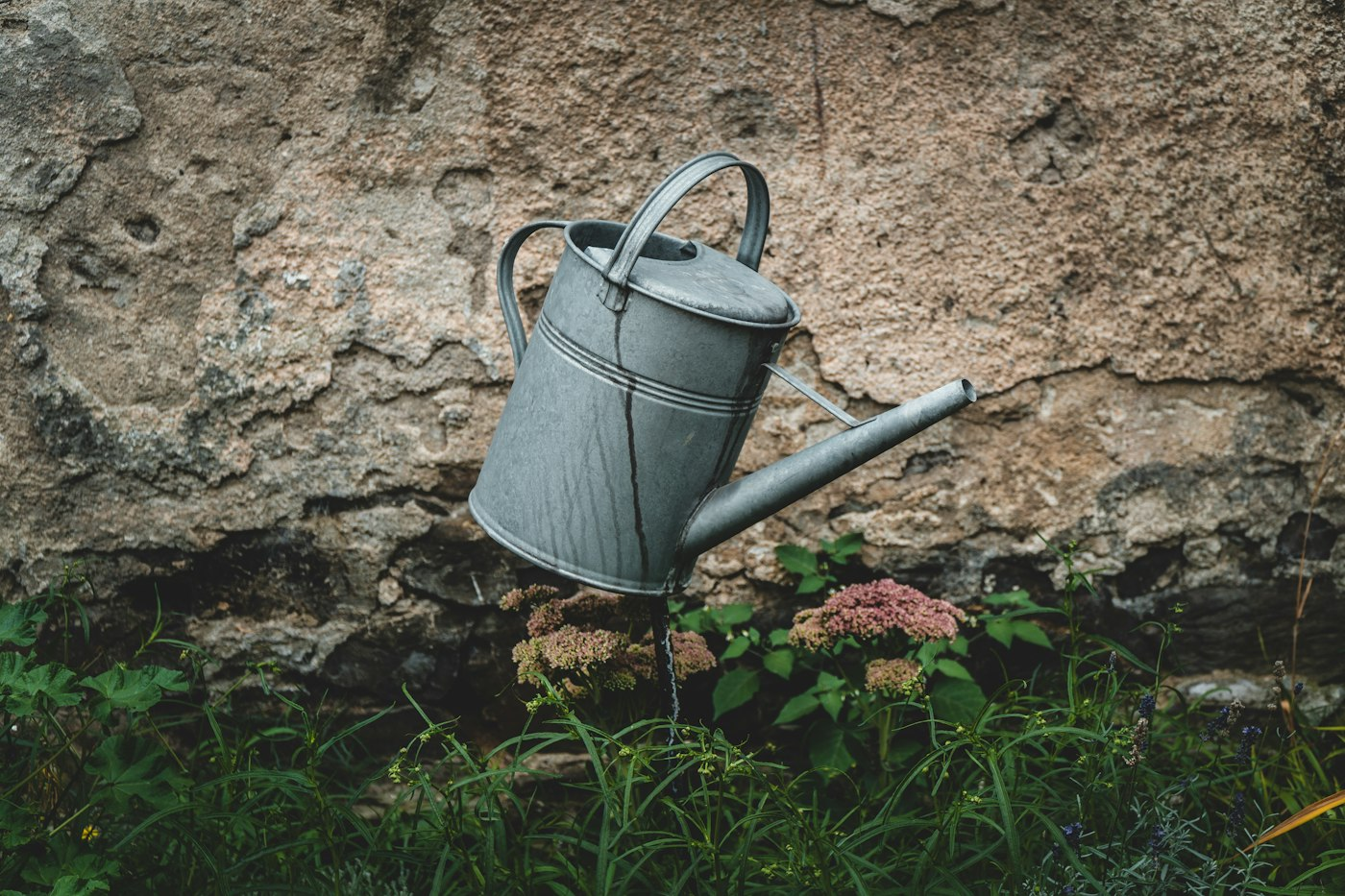
By late spring, gardeners know something the rest of us forget. Seeds planted weeks ago are only now breaking through the soil. Some rows still look bare. There is nothing to do but water, weed and wait. Paul used that same picture to encourage believers who were tired of doing good and seeing little come of it.
The Law of the Harvest
“Be not deceived; God is not mocked: for whatsoever a man soweth, that shall he also reap” (Galatians 6:7, KJV). Every farmer understands this. Plant corn and you get corn. Plant nothing and you get weeds. Paul applied the principle to the soul: “For he that soweth to his flesh shall of the flesh reap corruption; but he that soweth to the Spirit shall of the Spirit reap life everlasting” (Galatians 6:8).
Our choices are seeds. Habits of selfishness, resentment and indulgence produce a harvest. So do habits of prayer, kindness, honesty and generosity. Nothing we plant is neutral.
Why We Grow Weary
Then comes Paul’s encouragement: “And let us not be weary in well doing: for in due season we shall reap, if we faint not” (Galatians 6:9).
Paul knew that doing good is tiring. Caring for an aging parent, teaching a Sunday school class, raising children, serving in a ministry that never seems to grow, praying for someone who shows no interest in God: these are long, slow plantings. The weariness comes not only from the work but from the waiting. We want to see results, and often we cannot.
In Due Season
The key phrase is “in due season.” God sets the timing of the harvest, not us. James used the same farming picture: “Behold, the husbandman waiteth for the precious fruit of the earth, and hath long patience for it, until he receive the early and latter rain” (James 5:7).
Jesus told a short parable about a man who scatters seed, then sleeps and rises night and day, “and the seed should spring and grow up, he knoweth not how” (Mark 4:27). Growth happens underground, out of sight, long before anything shows. Paul’s own summary of ministry was simple: “I have planted, Apollos watered; but God gave the increase” (1 Corinthians 3:6).
As We Have Opportunity
Paul closes with an invitation: “As we have therefore opportunity, let us do good unto all men, especially unto them who are of the household of faith” (Galatians 6:10). Opportunity is a seasonal word. Gardens have planting windows, and so do lives. Children grow up. Neighbors move. Chances to help come and go.
Here are a few ways to keep sowing when you are tired:
- Remember who sees. Your quiet faithfulness is never wasted on God.
- Look for small sprouts. Thank God for any sign of growth, however slight.
- Rest without quitting. Weariness may call for a break, not for abandoning the field.
- Sow alongside others. The same chapter begins with the call to “Bear ye one another’s burdens” (Galatians 6:2).
The psalmist promised, “They that sow in tears shall reap in joy” (Psalm 126:5). If you are planting in tears this season, keep going. The harvest belongs to God, and it will come in due season.
Going Deeper: The Context of Galatians 6
Galatians is one of Paul’s most urgent letters. He wrote to churches being pulled away from the gospel of grace by teachers who insisted that believers must keep the law to be accepted by God. Most of the letter defends the truth that we are justified by faith in Christ, not by works of the law (Galatians 2:16).
So it is striking that the letter ends with a call to keep doing good. Paul was not saying that our good works earn God’s favor. He had just spent five chapters saying the opposite. He was saying that people who have been freed by grace will naturally produce good fruit, and that they should not grow tired of producing it. Grace is the root; well doing is the harvest.
Restoring the fallen
The chapter begins with a gentle instruction: “Brethren, if a man be overtaken in a fault, ye which are spiritual, restore such an one in the spirit of meekness; considering thyself, lest thou also be tempted” (Galatians 6:1). Some of the most wearying well doing involves walking patiently with people who stumble. Paul knew that kind of ministry requires both gentleness and endurance.
Lessons From the Garden
Those who keep gardens through a long summer learn several lessons that apply directly to the spiritual life:
- Seeds take time to show. A bare row is not necessarily a failed row. Something may be happening below.
- Weeds grow without help. Good things need tending; bad things spread on their own. Keep pulling the weeds of bitterness and neglect.
- Watering matters most in the heat. Dry seasons are exactly when faithfulness counts. Do not stop praying when results are slow.
- Different plants have different seasons. Some fruit comes in early summer, some in fall. Some of your sowing may not be harvested for years.
- The gardener does not make anything grow. We plant and water. God gives life.
When Weariness Becomes Burnout
There is a difference between ordinary tiredness and deep exhaustion. If you are caring for others and feel you have nothing left, a few things may help:
- Tell someone. Let your pastor, a friend or family member know how worn out you are.
- Accept help. Bearing one another’s burdens goes both ways. Let others share yours.
- Keep the Sabbath. God built rest into creation. Take it seriously.
- Return to the source. Spend time simply receiving from God before you try to give again.
- Look after your health. Caregivers especially should not neglect their own bodies. Talk with your doctor if exhaustion persists.
Questions Readers Ask
What if I never see the harvest?
Some of God’s faithful servants did not see the full fruit of their work in this life. Hebrews says of the heroes of faith that they “died in faith, not having received the promises, but having seen them afar off” (Hebrews 11:13). God keeps the record, and His harvest is sure.
Is it wrong to want to see results?
No. Paul himself rejoiced when he heard of the growth of the churches he planted. Longing for fruit is natural. The danger comes when we stop sowing because the fruit is slow. Keep the longing, and keep the faithfulness, and leave the timing in God’s hands.