
Most prophetic books are messages spoken to the people on God’s behalf. Habakkuk is different. Much of it is a conversation in which the prophet speaks to God, and not always politely. In three short chapters he moves from complaint to waiting to one of the most beautiful statements of faith in Scripture. For anyone struggling to understand what God is doing, Habakkuk is a gift.
Background
Habakkuk is one of the twelve shorter prophetic books often called the Minor Prophets. He likely ministered in Judah in the late seventh century before Christ, as Babylon, called “the Chaldeans” in his book, was rising to power. Judah was full of violence and injustice, and the prophet could not understand why God seemed to do nothing about it.
Two Complaints and Two Answers
The book opens with a cry many people have prayed: “O LORD, how long shall I cry, and thou wilt not hear! even cry out unto thee of violence, and thou wilt not save!” (Habakkuk 1:2, KJV).
God’s answer was startling. He was already at work, raising up the Babylonians to judge Judah (Habakkuk 1:5-6). That only deepened the prophet’s distress. How could a holy God use a nation even more wicked than Judah? “Thou art of purer eyes than to behold evil, and canst not look on iniquity” (Habakkuk 1:13).
So Habakkuk did something wise. He waited: “I will stand upon my watch, and set me upon the tower, and will watch to see what he will say unto me” (Habakkuk 2:1).
God answered again: “For the vision is yet for an appointed time, but at the end it shall speak, and not lie: though it tarry, wait for it; because it will surely come, it will not tarry” (Habakkuk 2:3). Then came a line the New Testament quotes three times: “the just shall live by his faith” (Habakkuk 2:4; see Romans 1:17, Galatians 3:11 and Hebrews 10:38). The chapter goes on to announce woes on the proud and violent, and it promises that “the earth shall be filled with the knowledge of the glory of the LORD, as the waters cover the sea” (Habakkuk 2:14).
A Prayer That Became a Song
Chapter 3 is a prayer set to music, complete with musical notations like those in the Psalms. Habakkuk recalls God’s mighty acts in the past and asks, “in wrath remember mercy” (Habakkuk 3:2). Then he makes his great confession:
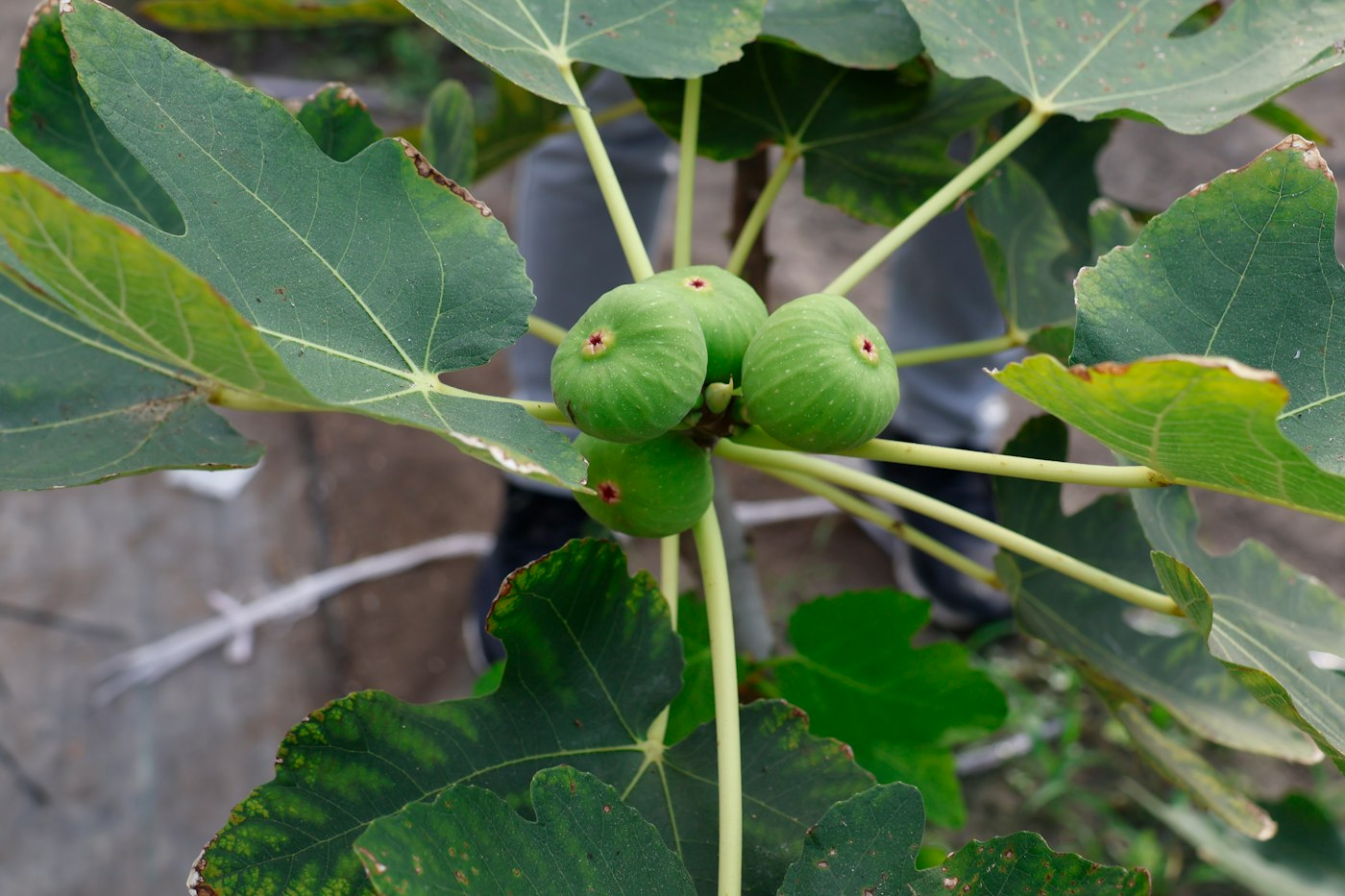
“Although the fig tree shall not blossom, neither shall fruit be in the vines; the labour of the olive shall fail, and the fields shall yield no meat; the flock shall be cut off from the fold, and there shall be no herd in the stalls: Yet I will rejoice in the LORD, I will joy in the God of my salvation” (Habakkuk 3:17-18).
For a farming people, that list describes total collapse. Habakkuk does not pretend it cannot happen. He decides that even if everything else fails, God will not.
Reading Habakkuk in Hard Times
- Bring your honest questions to God. Habakkuk’s complaints are part of Scripture.
- Climb the watchtower. Make room to listen after you speak.
- Remember God’s past faithfulness, as chapter 3 does.
- Practice “yet I will rejoice” before your circumstances change.
The book does not answer every question, but it ends with strength: “The LORD God is my strength, and he will make my feet like hinds’ feet” (Habakkuk 3:19). That is hope for the steep places.
Going Deeper: Remembering God’s Mighty Acts
The middle of Habakkuk 3 is easy to skim past, but it holds the key to the prophet’s change of heart. Before he could say “yet I will rejoice,” he spent many verses remembering what God had done. He pictured the Lord coming “from Teman, and the Holy One from mount Paran” (Habakkuk 3:3), places associated with Israel’s wilderness journey. He spoke of rivers and seas, of mountains trembling and of the sun and moon standing still (Habakkuk 3:8-11). Many readers hear echoes of the Red Sea crossing, Mount Sinai and Joshua’s long day.
Habakkuk was doing what the psalmists often did: rehearsing God’s past faithfulness to strengthen faith for the present. He could not see how God would work in the coming Babylonian crisis. But he could look back and see how God had worked before. That memory became the ground of his hope.
Notice also that his trembling did not disappear. “When I heard, my belly trembled; my lips quivered at the voice: rottenness entered into my bones” (Habakkuk 3:16). Faith did not make Habakkuk numb. He felt the fear fully. Yet in the very same verse he says he will “rest in the day of trouble.” Rest and trembling existed side by side. That is an honest picture of faith in hard times.
A Modern “Although” Prayer
Habakkuk named the things his people depended on: figs, grapes, olives, fields, flocks and herds. One helpful exercise is to write your own version, naming the things you depend on. It might look something like this:
Although the paycheck shrinks, and the doctor’s report is hard, though the plans I made fall through and the people I counted on are far away, yet I will rejoice in the LORD; I will joy in the God of my salvation.
Writing it out can be sobering. It forces us to look squarely at what we fear losing. But it also helps us see that none of those things is our true foundation. God is.
Common Mistakes in Times of Questioning
- Hiding our questions from God. Habakkuk brought his complaints straight to the Lord. God would rather hear our honest questions than our polite silence.
- Speaking without listening. After his complaint, Habakkuk climbed the watchtower to wait for an answer. Prayer is a conversation, not a speech.
- Expecting an explanation for everything. God did not answer every one of Habakkuk’s questions. He gave him something better: a revelation of His character and a promise to trust.
- Waiting for feelings to change before choosing joy. “Yet I will rejoice” is a decision, not just an emotion.
Questions for Reflection
- What “how long” question am I carrying to God right now?
- Where is my watchtower, the place I go to listen for God’s answer?
- What past acts of God’s faithfulness in my life can I rehearse?
- What would I list in my own “although” prayer?
The phrase “hinds’ feet” in the final verse pictures a deer leaping sure-footedly across rocky heights. Habakkuk does not ask God to flatten the mountains. He trusts God to make him able to walk on them. That is often how the Lord answers us, too.