
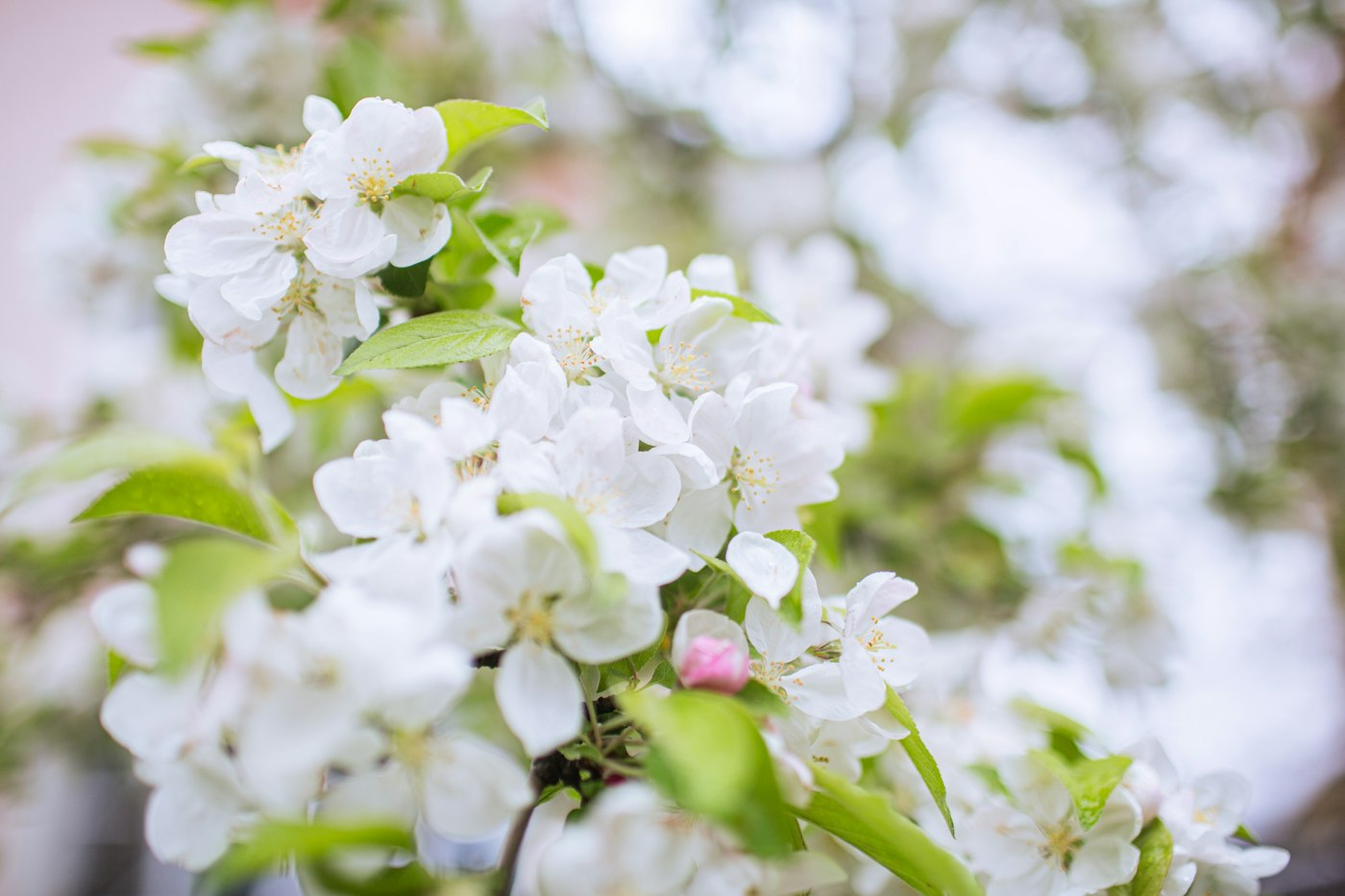
The first days of spring have a way of surprising us. One week the ground is bare and brown; the next, something green is pushing up where nothing seemed to be happening. Isaiah 43 speaks into exactly that kind of moment, to people who had stopped expecting anything new. It is a chapter worth reading as winter loosens its grip.
A Word to Tired Exiles
Isaiah 43 is addressed to Israel in a season of defeat. The people were facing exile, far from home, with their best days apparently behind them. God does not begin with a lecture. He begins with a claim: “Fear not: for I have redeemed thee, I have called thee by thy name; thou art mine” (Isaiah 43:1, KJV).
Then comes a promise that has carried believers through floods and fires ever since: “When thou passest through the waters, I will be with thee; and through the rivers, they shall not overflow thee: when thou walkest through the fire, thou shalt not be burned” (Isaiah 43:2). Notice that the waters and fire are not removed. God’s presence in them is what changes everything.
Behold, I Will Do a New Thing
The heart of the chapter comes in verses 18 and 19: “Remember ye not the former things, neither consider the things of old. Behold, I will do a new thing; now it shall spring forth; shall ye not know it? I will even make a way in the wilderness, and rivers in the desert.”
The phrase “spring forth” is the language of planting. God describes His new work as a shoot breaking the surface, something that was growing underground before anyone saw it. The exiles were being told that the barren stretch they could see was not the whole picture.
What “Forget the Former Things” Does Not Mean
This verse is sometimes misread as a command to erase the past. That cannot be right. The same book of Isaiah repeatedly tells Israel to remember what God did at the Red Sea. In fact, verses 16 and 17 of this very chapter recall that deliverance.
The point is not amnesia but attention. Israel was so fixed on past glory and past failure that it could not see what God was doing now. “Forget the former things” means: stop assuming that what God did before is the most He will ever do. The God of the Exodus is about to do something that will make the Exodus look like a preview.
Spring as a Yearly Sermon
Every year, creation preaches this chapter without words. Trees that looked dead put out leaves. Fields that were frozen turn soft and green. Paul said that God’s invisible qualities are understood “by the things that are made” (Romans 1:20), and the turning of the seasons is one of the clearest.
Spring arrives on God’s schedule, not ours. We cannot hurry a bud. But we can trust that the quiet months were not wasted, and we can learn to look for green where we had stopped expecting it.
Watching for the New Thing
- Name the wilderness honestly. Isaiah’s promise is for people who admit they are in a dry place.
- Review God’s past faithfulness, not to live there, but to build confidence for what is ahead.
- Ask, “Shall ye not know it?” God wants His new work recognized. Pray for eyes to see it.
- Expect rivers in the desert, not just survival. God’s new things tend to be generous.
Lent falls in this season for a reason. As the earth wakes up, we walk toward an empty tomb, the newest thing God ever did. The One who makes a way in the wilderness is still at work, and spring is His yearly reminder.
Going Deeper: The Rest of the Chapter
The famous verses of Isaiah 43 sit inside a longer argument, and the surrounding lines make the promise even richer.
- Precious and loved. “Since thou wast precious in my sight, thou hast been honourable, and I have loved thee” (Isaiah 43:4). God’s new work does not begin with Israel’s worthiness. It begins with His love.
- Gathered from every direction. God promises to bring His children from the east and the west, and to say to the north, “Give up,” and to the south, “Keep not back” (Isaiah 43:5-6). No one is too far away to be brought home.
- Witnesses. Twice God says, “Ye are my witnesses” (Isaiah 43:10, 12). His people are not only recipients of the new thing. They are meant to testify to it.
- Forgiveness at the center. The chapter ends with a surprising turn. After describing how Israel had wearied Him with their sins, God says, “I, even I, am he that blotteth out thy transgressions for mine own sake, and will not remember thy sins” (Isaiah 43:25).
That last verse is the deepest “new thing” of all. Rivers in the desert are wonderful, but a God who chooses not to remember our sins is the greatest wonder in the chapter.
When Spring Is Slow in Coming
Not every heart feels the season changing on schedule. Some readers come to March still carrying the weight of a long winter: a loss, an illness, a strained relationship, a prayer that has not yet been answered. If that is you, Isaiah 43 is not asking you to pretend.
Remember that the promise was first spoken to exiles who would wait a long time before they went home. The words “now it shall spring forth” were true even before anyone could see a single shoot. Seeds work underground. Roots grow in the dark. God was at work before His people could see it, and He is at work in your situation too, even if the surface still looks bare.
A few ways to wait well:
- Keep showing up. Stay close to worship, Scripture and fellowship even when you feel little.
- Tell God the truth. Honest prayer is part of faith, not a failure of it.
- Look for small green things. A kind word, a better day, a verse that speaks. Write them down.
- Let others hope for you. When your own hope is thin, ask a trusted friend to pray with you.
Questions Readers Ask
Was this promise only for ancient Israel?
It was spoken first to Israel in exile, and its first fulfillment was their return home. But the New Testament shows that God’s new work reaches its fullness in Christ. Paul wrote, “if any man be in Christ, he is a new creature: old things are passed away; behold, all things are become new” (2 Corinthians 5:17).
How do I know if something is God’s new thing or just my own wish?
Test it against Scripture, pray over it, and seek counsel from mature believers. God’s new things always agree with His Word and tend to produce faithfulness, humility and love.
Lord, You make a way in the wilderness and rivers in the desert. Where my life feels dry, give me eyes to see what You are already growing. Thank You for blotting out my sins for Your own sake. Make me a witness to the new thing You are doing. Amen.