
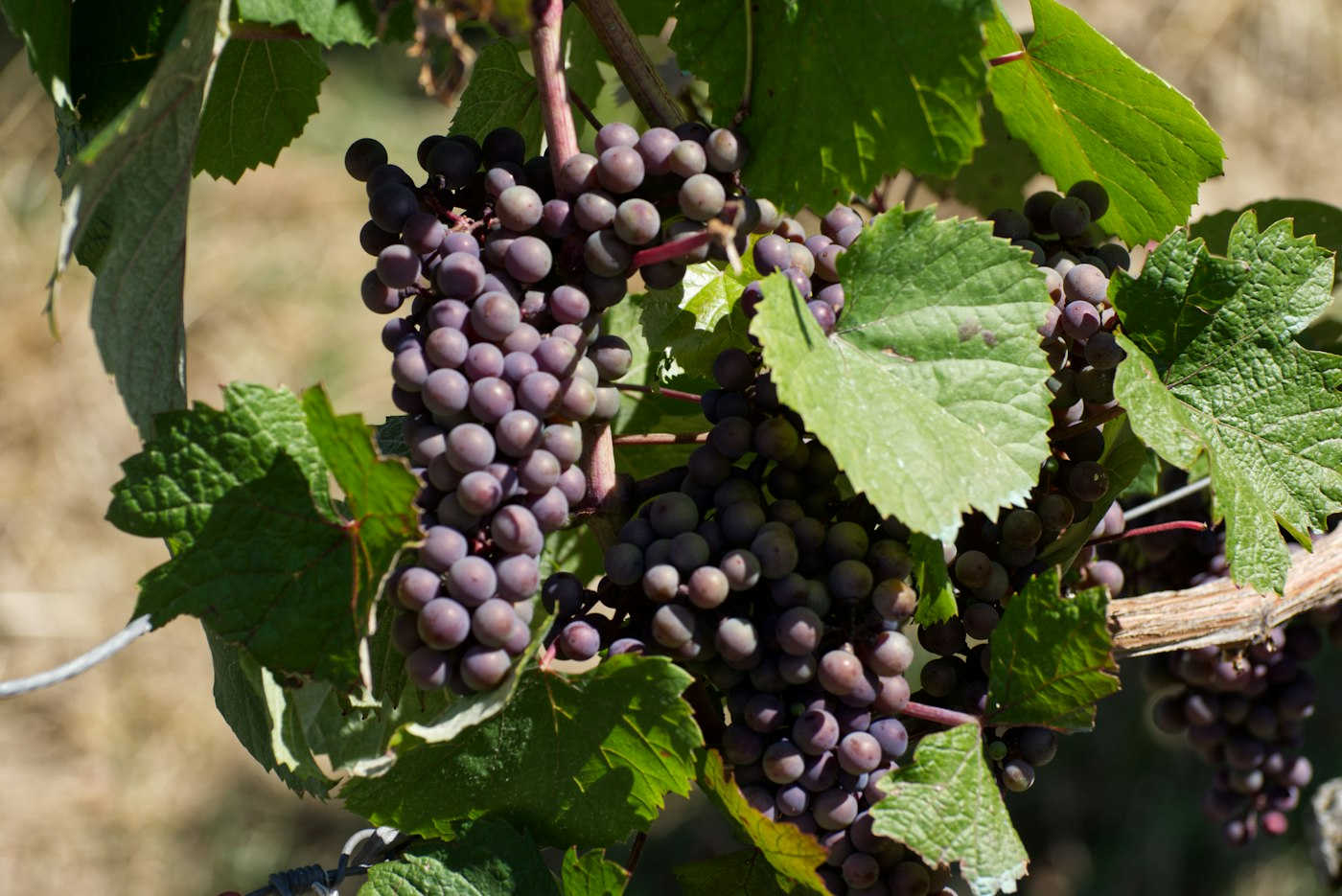
Many people want to become more patient, more peaceful or more kind. Often we try to grow these qualities through sheer willpower and quickly grow frustrated. Scripture offers a different picture. In Galatians 5, Paul describes these qualities as fruit, something the Holy Spirit grows in the life of a believer.
Fruit, Not Effort Alone
“But the fruit of the Spirit is love, joy, peace, longsuffering, gentleness, goodness, faith, Meekness, temperance: against such there is no law” (Galatians 5:22-23, KJV).
Notice that Paul says “fruit,” singular. These are not nine separate fruits we pick and choose from, but one harvest with many qualities. Together they form a portrait of Christlike character.
Fruit is not manufactured. A branch does not strain to produce grapes. It produces fruit by staying connected to the vine. Jesus said, “He that abideth in me, and I in him, the same bringeth forth much fruit: for without me ye can do nothing” (John 15:5).
Love, Joy and Peace
The list begins with love, the self-giving love described in 1 Corinthians 13. Joy is a deep gladness rooted in God, which can remain even in sorrow. Peace is a settled confidence in God and harmony with others.
These three focus mainly on our relationship with God. They flow from knowing that we are loved, forgiven and held by Him.
Patience, Kindness and Goodness
Longsuffering, often translated patience, is the ability to bear with people and situations without growing bitter. Gentleness, rendered “kindness” in many modern translations, is warmth and consideration toward others. Goodness is moral excellence that shows itself in generous action.
These qualities are tested most in our relationships, especially with difficult people.
Faithfulness, Gentleness and Self-Control
The word the King James Version translates “faith” here is often rendered “faithfulness” in modern translations, meaning reliability and loyalty. Meekness, or gentleness, is strength under control. It is not weakness, but humility and restraint. Temperance, or self-control, is the ability to govern our desires and impulses.
These three shape how we carry ourselves day by day.
How the Fruit Grows
If the Spirit produces the fruit, what is our part? Paul says, “If we live in the Spirit, let us also walk in the Spirit” (Galatians 5:25). Walking in the Spirit includes daily choices:
- Stay connected to Christ through prayer and Scripture.
- Confess sin quickly so it does not choke growth.
- Remain in community, where many of these qualities are both tested and strengthened.
- Respond to the Spirit’s prompting in small moments.
- Be patient with the process. Fruit takes seasons to ripen.
This week, choose one quality from the list and ask the Holy Spirit to grow it in you. Watch for opportunities to practice it. Over time, you may be surprised by the harvest He produces.
Going Deeper: Fruit Versus the Works of the Flesh
Paul’s list of the fruit of the Spirit comes right after a very different list. In Galatians 5:19-21 he describes “the works of the flesh”: sexual immorality, idolatry, witchcraft, hatred, strife, jealousy, fits of anger, selfish ambition, divisions, envy, drunkenness and the like. The contrast is intentional. The flesh produces “works,” things we do in our own sinful strength. The Spirit produces “fruit,” a living harvest that grows from a relationship.
Many of the works of the flesh are relational: strife, jealousy, anger, divisions, envy. It seems the Galatian churches were struggling with these very things. Paul warned them, “But if ye bite and devour one another, take heed that ye be not consumed one of another” (Galatians 5:15). The fruit of the Spirit is God’s answer to a quarrelsome church. Love, patience, kindness and gentleness are exactly what was missing.
Paul also explains that there is a real battle within every believer: “For the flesh lusteth against the Spirit, and the Spirit against the flesh: and these are contrary the one to the other” (Galatians 5:17). Growing in Christlikeness is not automatic or effortless. But Paul is confident about how the battle turns out: “Walk in the Spirit, and ye shall not fulfil the lust of the flesh” (Galatians 5:16). The way to say no to the flesh is to say yes to the Spirit.
And he adds a striking statement: “And they that are Christ’s have crucified the flesh with the affections and lusts” (Galatians 5:24). Our old self was dealt with at the cross. Now we live out that reality day by day.
A Self-Examination for Each Quality
Here is a simple set of questions to help you see where the Spirit may be wanting to grow fruit in you. Consider taking one quality per day for nine days:
- Love: Whom am I finding hard to love right now?
- Joy: Is my gladness rooted in God, or only in circumstances?
- Peace: What is robbing me of peace, and have I brought it to God?
- Longsuffering: Where am I short-tempered or quick to give up on people?
- Gentleness (kindness): When did I last go out of my way to be kind?
- Goodness: Is there a good thing I know I should do but have been avoiding?
- Faith (faithfulness): Can people count on me to keep my word?
- Meekness: Do I respond to criticism with defensiveness or humility?
- Temperance: Where are my appetites, habits or words out of control?
Common Misunderstandings
“I should see all nine qualities fully grown right away.” Fruit ripens over seasons. A young believer and a mature believer will look different, and both can be growing.
“Some of these are personality traits, not spiritual fruit.” Some people are naturally calmer or kinder than others. But the fruit of the Spirit goes deeper than personality. It shows up even when our natural temperament would lead us another way.
“If I am struggling, the Spirit must not be in me.” Struggle is part of the Christian life. The very fact that you care about growing is often a sign of the Spirit’s work.
“I can grow fruit by trying harder.” Effort has a place, but it is the effort of abiding, staying close to Christ, not the effort of manufacturing virtue on our own.
Questions Readers Ask
What does “against such there is no law” mean?
No law forbids these qualities. They fulfill the very purpose of God’s law, which is summed up in love (Galatians 5:14). A life marked by this fruit is not restrained by rules but expresses what the rules were always aiming for.
Is the fruit of the Spirit the same as spiritual gifts?
No. Spiritual gifts, described in passages like 1 Corinthians 12, are abilities given for serving the church, and they differ from person to person. The fruit of the Spirit is character that every believer is meant to grow in.