
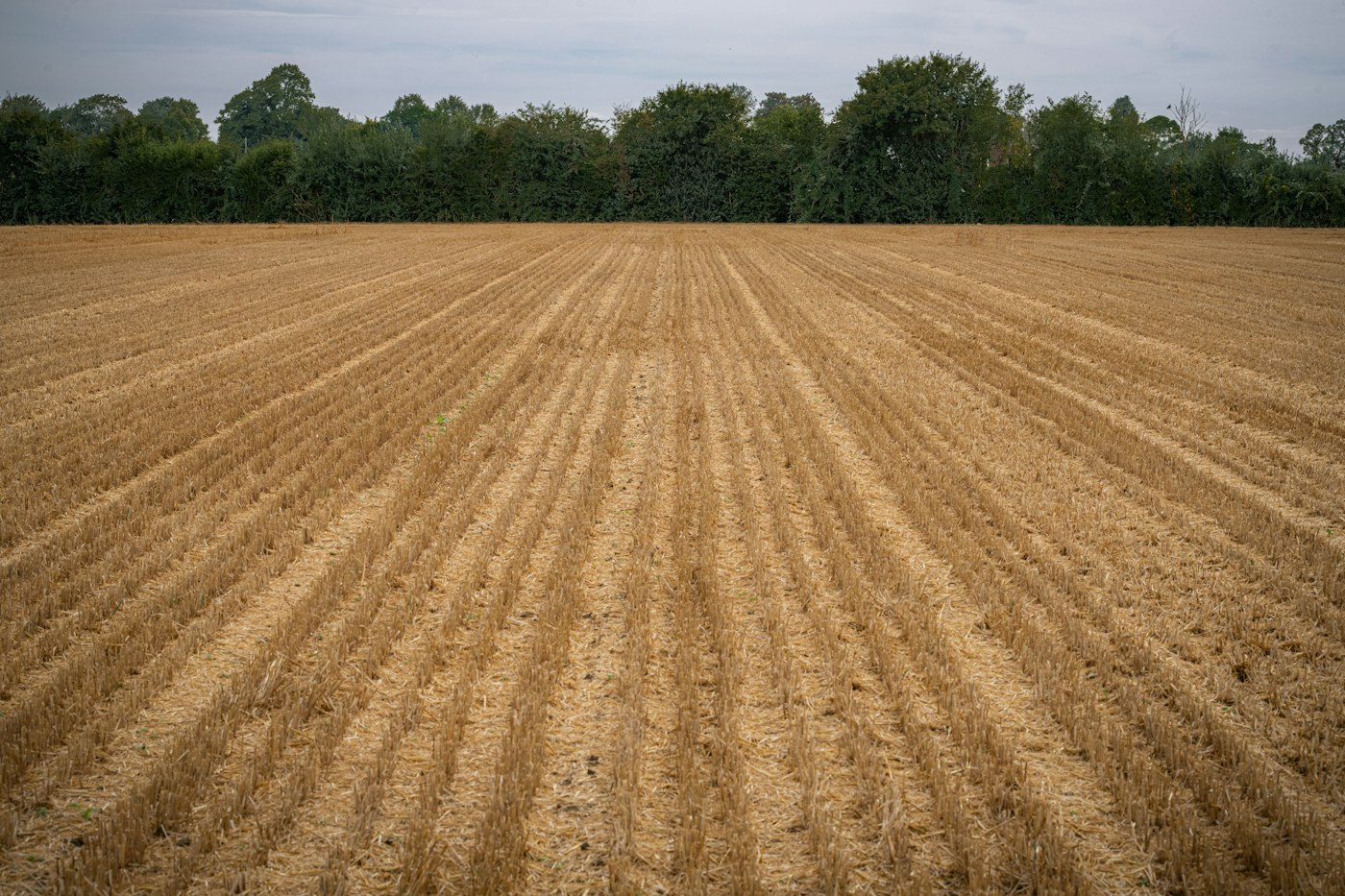
Many of Jesus’ parables come from farming life, and the parable of the sower is one of the best known. It appears in Matthew 13, Mark 4 and Luke 8. Unusually, Jesus also explains its meaning to His disciples, which makes it a helpful place to learn how parables work.
In the quiet of winter, when fields lie waiting for spring planting, it is a good time to ask what kind of soil our own hearts are.
The Story
“Behold, a sower went forth to sow” (Matthew 13:3, KJV). As he scattered seed, some fell by the wayside and birds ate it. Some fell on stony ground, sprang up quickly and withered in the sun because it had no root. Some fell among thorns and was choked. And some fell on good ground and produced a harvest, “some an hundredfold, some sixtyfold, some thirtyfold” (Matthew 13:8).
The sower is generous. He scatters seed widely. The difference in the outcome is not the seed but the soil.
Jesus Explains the Soils
Jesus tells His disciples that the seed is “the word of the kingdom” (Matthew 13:19). Then He describes each soil:
- The wayside: someone hears the word but does not understand it, and the wicked one snatches it away.
- Stony ground: someone receives the word with joy, but has no root, and falls away when trouble or persecution comes.
- Thorns: someone hears the word, but “the care of this world, and the deceitfulness of riches, choke the word” (Matthew 13:22).
- Good ground: someone hears the word, understands it and bears fruit (Matthew 13:23).
An Honest Look at the Heart
It is tempting to read this parable and sort other people into categories. But its first purpose is to examine ourselves. Many believers recognize a bit of every soil in their own lives at different times.
Some days we hear Scripture but our minds are elsewhere, and it is gone before lunch. Some seasons we are enthusiastic until life gets hard. Often the thorns are the real danger: not open rebellion, but the slow choking of busyness, worry and the pursuit of more.
Cultivating Good Soil
Soil can be worked. A farmer clears stones, pulls weeds and breaks up hard ground. In the same way, we can cooperate with God in preparing our hearts:
- Listen with understanding. Slow down, ask questions and reflect on what you read.
- Let roots grow deep. Stay connected to worship, prayer and a local church, especially when life is hard.
- Pull the thorns. Identify worries and distractions that crowd out God’s Word, and bring them to Him.
- Expect fruit. God’s Word is living and powerful. When received well, it changes lives.
Hope in the Parable
The parable ends with a remarkable harvest. Even though some seed is lost, the good soil produces far more than was planted. God’s Word does not fail.
As you open your Bible this week, ask the Lord to make your heart good ground. He is a patient gardener, and He delights to see His Word take root and bear fruit.
Going Deeper: Why Jesus Taught in Parables
After telling this parable, the disciples asked Jesus why He spoke to the crowds in parables. His answer is surprising. Parables reveal truth to those who are willing to hear and hide it from those who are not (Matthew 13:10-17). He quoted Isaiah, who spoke of people who hear but do not understand, and whose hearts have grown dull. Parables invite us to lean in and ask, “What does this mean?” Those who ask are given more.
That is why Jesus repeats a simple phrase: “Who hath ears to hear, let him hear” (Matthew 13:9). The parable of the sower is itself a parable about hearing. It is no accident that Jesus told it first and explained it carefully. It teaches us how to receive every other parable, and every other word from God.
It also helps to know a little about farming in Jesus’ day. Fields were often crossed by footpaths, which became packed hard. Much of the land in Galilee had a thin layer of soil over limestone, so the stony ground in the parable was a familiar sight. Thorns and weeds were a constant battle. Jesus’ listeners would have recognized every scene He described.
A Closer Look at the Thorns
Mark’s Gospel adds a phrase to the description of the thorny ground: “the lusts of other things entering in” (Mark 4:19). Luke speaks of “cares and riches and pleasures of this life” (Luke 8:14). Taken together, they paint a picture many of us know well. The thorns are not always evil things. Often they are ordinary concerns and good pleasures that grow out of proportion until there is no room left for God.
Notice too that thorns grow alongside the good seed. The person in this soil does not reject the Word. The Word simply never matures. That is a gentle but serious warning for busy, comfortable lives.
Putting It Into Practice
Here is a simple self-examination you can work through over a week, one soil each day:
- Day one, the path. Where has my heart become hard or distracted? Do I hear Scripture on Sunday and forget it by Monday?
- Day two, the stony ground. When my faith has been tested in the past, how did I respond? Where are my roots shallow?
- Day three, the thorns. What cares, desires or pleasures take most of my attention? Make an honest list.
- Day four, the good soil. Where do I see real fruit in my life? Thank God for it, since it is His work.
- Day five, the Sower. Who has sown the Word into my life? Pray for them and thank them if you can.
- Day six, my own sowing. Whom could I share God’s Word with this week? The Sower was generous, and we can be too.
- Day seven, rest. Reread the parable and ask God to prepare your heart for the week ahead.
Questions Readers Ask
Can a person’s soil change?
Yes. Hard ground can be broken up, stones can be cleared and thorns can be pulled. The prophet Hosea called God’s people to “break up your fallow ground: for it is time to seek the LORD” (Hosea 10:12). That is an invitation, not a dead end.
Why does good soil produce different amounts?
Jesus does not explain the hundredfold, sixtyfold and thirtyfold. What He makes clear is that all of them are fruitful. Faithfulness looks different in different lives, and every good harvest is a gift.
Does this parable apply to sharing our faith?
It can be a great encouragement. The Sower scattered seed widely without knowing where it would land. Our task is to sow faithfully. The growth belongs to God (1 Corinthians 3:6-7).
Lord, make my heart good ground. Soften what is hard, clear away the stones and pull the thorns that crowd out Your Word. Let it take root in me and bear fruit for Your glory. Amen.