
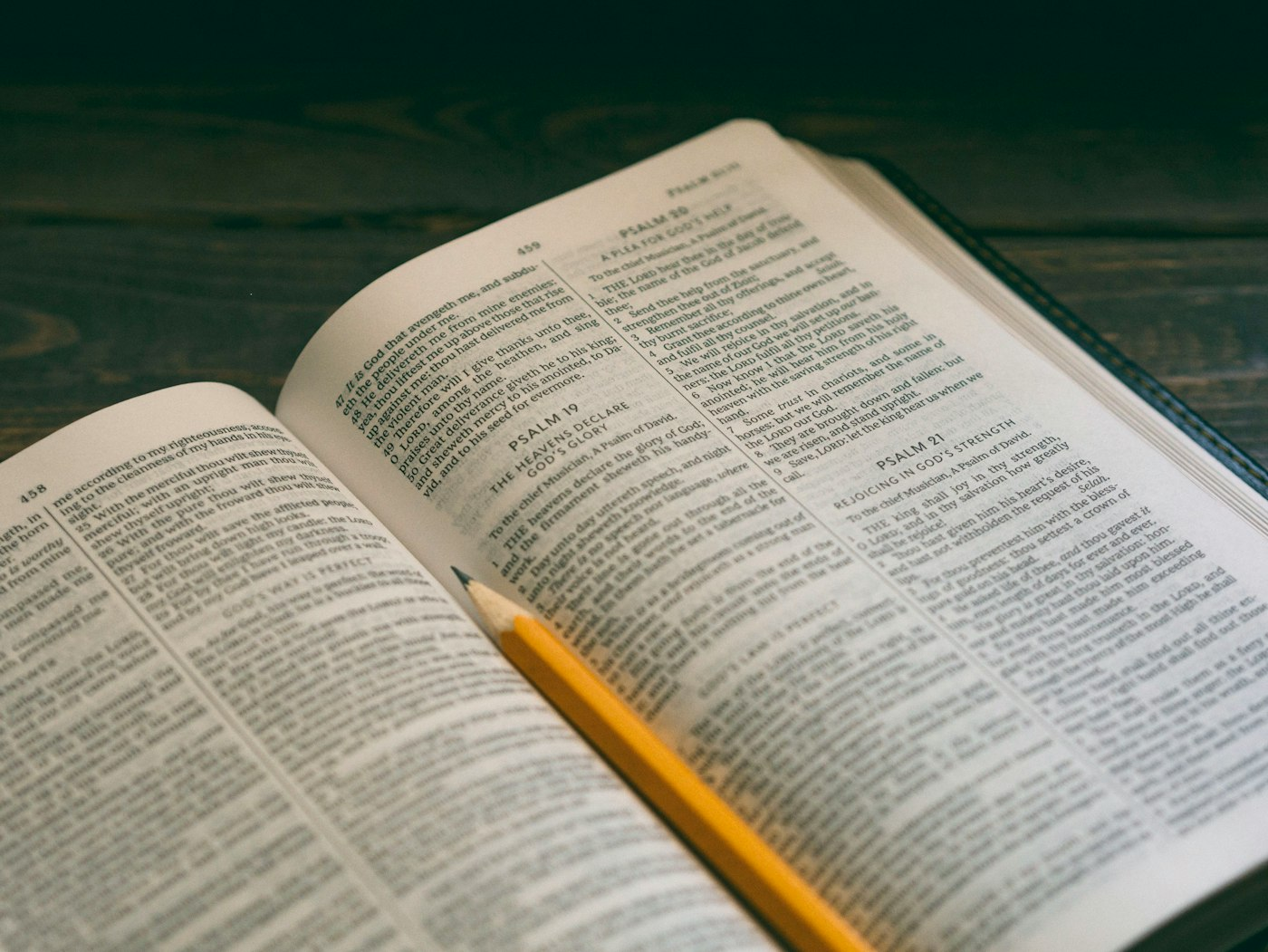
The psalmist wrote, “Thy word have I hid in mine heart, that I might not sin against thee” (Psalm 119:11, KJV). Memorizing Scripture is one of the oldest spiritual practices among God’s people. It puts truth within reach at the moments we need it most: in temptation, in fear, in grief and in sleepless nights.
Many adults assume they are not good at memorizing. But with a simple method and a little patience, nearly anyone can do it.
Why Memorize Scripture?
When Jesus was tempted in the wilderness, He answered each temptation with Scripture, beginning, “It is written” (Matthew 4:4). He had God’s Word stored in His heart.
Memorized Scripture helps us in many ways:
- It is available when we cannot open a Bible.
- It shapes our thinking throughout the day.
- It strengthens us against temptation.
- It equips us to encourage others.
- It gives us words to pray when our own words run out.
Choose Wisely
Start with short verses that matter to you. A verse that speaks to a current struggle or a promise you want to cling to will be easier to remember because it is meaningful. Good starter verses include Psalm 46:1, Proverbs 3:5-6, Isaiah 26:3, Romans 8:28 and Philippians 4:13.
Choose one translation and stick with it so the wording stays consistent in your mind.
A Simple Step-by-Step Method
Here is a method that works for many people:
- Write it out. Copy the verse by hand on a card, including the reference.
- Read it aloud. Say it several times, slowly, paying attention to the meaning.
- Break it into phrases. Learn the first phrase, then add the next.
- Use first letters. Write only the first letter of each word and try to recite from those cues.
- Say the reference at the beginning and end. This anchors where the verse is found.
- Review daily. Keep the card in your pocket, on the mirror or by the coffee maker.
Keep Old Verses Fresh
Memory fades without review. Many people keep a small stack of cards and review older verses once a week while learning a new one. Over time, a growing collection of Scripture becomes part of you.
Memorizing with others helps too. Families can learn a verse together at dinner, and friends can text each other a weekly verse to practice.
Meditate, Don’t Just Memorize
The goal is not to recite words like a performance. It is to let God’s Word shape your heart. As you memorize, ask what the verse teaches about God and how it applies to your life today.
Start small this month, perhaps with one verse a week. By the end of the year, you may have dozens of verses hidden in your heart, ready for whatever comes.
Going Deeper: A Long Tradition of Hiding the Word
Memorizing Scripture is not a modern self-improvement idea. God’s people were told long ago to keep His words close. Moses instructed Israel: “And these words, which I command thee this day, shall be in thine heart: And thou shalt teach them diligently unto thy children, and shalt talk of them when thou sittest in thine house, and when thou walkest by the way, and when thou liest down, and when thou risest up” (Deuteronomy 6:6-7).
In a world where few people owned written scrolls, memory was the primary way Scripture traveled. Families recited it at home. Psalms were sung at the festivals. Jesus, raised in that tradition, quoted Scripture readily and naturally, from Deuteronomy in the wilderness to the Psalms on the cross.
Paul wrote, “Let the word of Christ dwell in you richly in all wisdom; teaching and admonishing one another in psalms and hymns and spiritual songs” (Colossians 3:16). The word “dwell” suggests making a home. Memorized Scripture is not a visitor. It moves in and lives with us.
A Worked Example
Let us walk through the method with Isaiah 26:3: “Thou wilt keep him in perfect peace, whose mind is stayed on thee: because he trusteth in thee.”
- Day one. Write it on a card. Read it aloud five times, slowly. Think about each phrase. “Perfect peace.” “Mind is stayed.” “Because he trusteth.”
- Day two. Learn the first phrase: “Isaiah 26:3. Thou wilt keep him in perfect peace.” Say it until you can repeat it without looking.
- Day three. Add “whose mind is stayed on thee.” Recite both phrases together.
- Day four. Add “because he trusteth in thee.” Now try the whole verse, with the reference at the beginning and end.
- Day five. Use first letters only: T w k h i p p, w m i s o t: b h t i t. See if you can recite it from those cues.
- Days six and seven. Recite it several times each day, and pray it back to God: “Lord, keep my mind stayed on You today.”
After a week, move the card to your review stack and begin a new verse.
Tips for Older Memories and Busy Lives
Many people tell me they could memorize easily as children but struggle now. That is common, and it is not a reason to give up. A few adjustments can help:
- Go slower. Take two weeks for a verse if you need to. There is no race.
- Use music. Many verses have been set to simple tunes. Singing helps words stick.
- Attach it to a routine. Recite your verse while brushing your teeth, walking the dog or waiting for the coffee.
- Listen. Record yourself reading the verse and play it back during a drive.
- Write it daily. The act of writing by hand helps many people remember.
- Be gentle with yourself. If you forget a word, look it up and try again. God is pleased with the effort of a willing heart.
Questions Readers Ask
Should I memorize single verses or whole passages?
Both are valuable. Single verses are easier to begin with. As your confidence grows, try a short passage like Psalm 23 or Romans 8:31-39. Passages help you remember verses in their context.
Does it matter if I memorize the reference?
It helps. Knowing where a verse is found lets you return to it, read its context and share it with others accurately.
What if I memorize a verse and then forget it?
That happens to everyone. Regular review is the answer. A verse relearned is often remembered more deeply the second time.
How can I involve my grandchildren or children?
Choose one verse a month as a family. Practice it at meals, make it a game, and celebrate when someone can say it. Children often learn faster than adults and enjoy helping the grown-ups remember.