
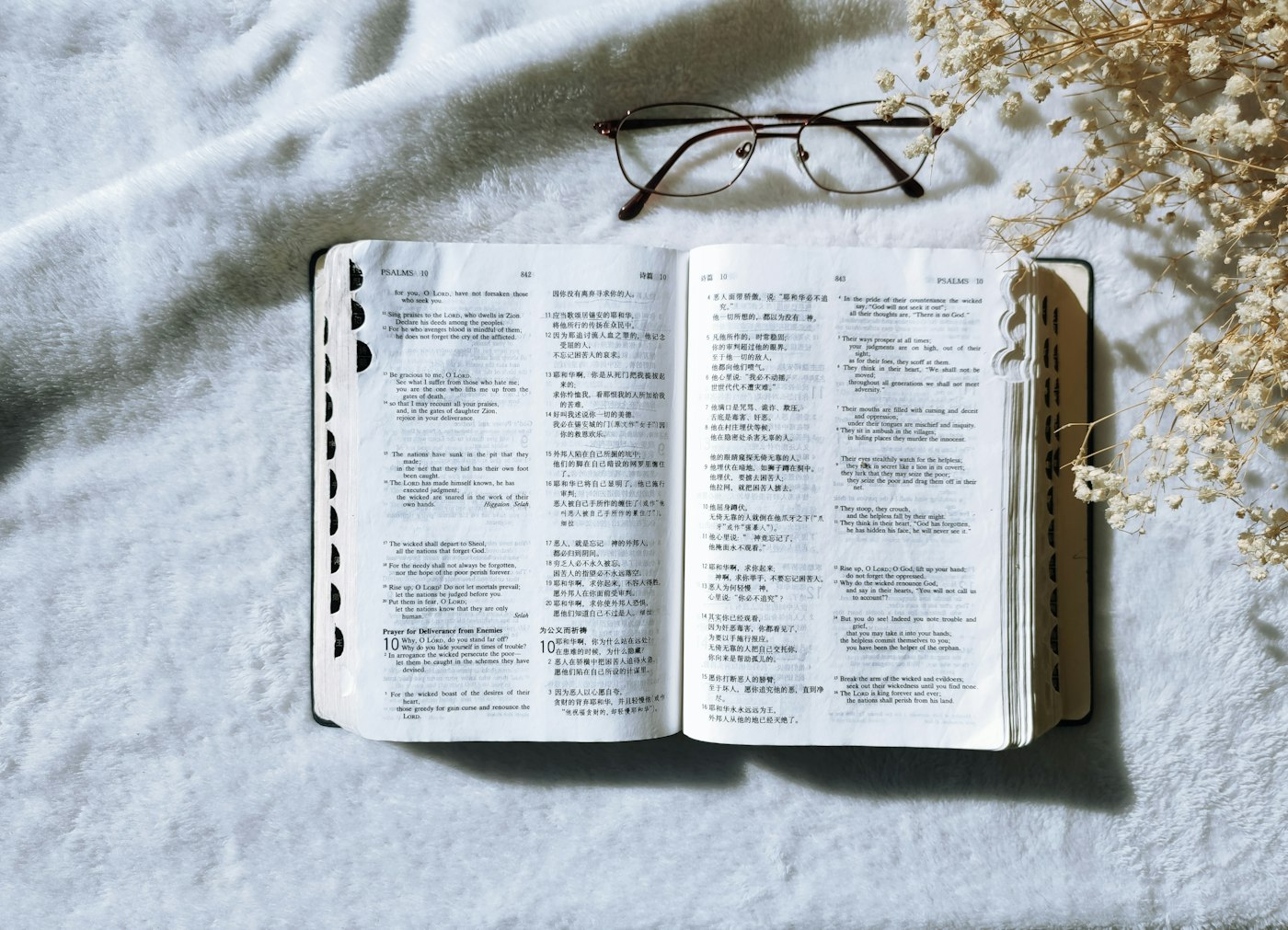
The psalmist wrote, “Thy word have I hid in mine heart, that I might not sin against thee” (Psalm 119:11, KJV). Memorizing Scripture is one of the oldest spiritual practices among God’s people. It puts truth within reach at the moments we need it most: in temptation, in fear, in grief and in sleepless nights.
Many adults assume they are not good at memorizing. But with a simple method and a little patience, nearly anyone can do it.
Why Memorize Scripture?
When Jesus was tempted in the wilderness, He answered each temptation with Scripture, beginning, “It is written” (Matthew 4:4). He had God’s Word stored in His heart.
Memorized Scripture helps us in many ways:
- It is available when we cannot open a Bible.
- It shapes our thinking throughout the day.
- It strengthens us against temptation.
- It equips us to encourage others.
- It gives us words to pray when our own words run out.
Choose Wisely
Start with short verses that matter to you. A verse that speaks to a current struggle or a promise you want to cling to will be easier to remember because it is meaningful. Good starter verses include Psalm 46:1, Proverbs 3:5-6, Isaiah 26:3, Romans 8:28 and Philippians 4:13.
Choose one translation and stick with it so the wording stays consistent in your mind.
A Simple Step-by-Step Method
Here is a method that works for many people:
- Write it out. Copy the verse by hand on a card, including the reference.
- Read it aloud. Say it several times, slowly, paying attention to the meaning.
- Break it into phrases. Learn the first phrase, then add the next.
- Use first letters. Write only the first letter of each word and try to recite from those cues.
- Say the reference at the beginning and end. This anchors where the verse is found.
- Review daily. Keep the card in your pocket, on the mirror or by the coffee maker.
Keep Old Verses Fresh
Memory fades without review. Many people keep a small stack of cards and review older verses once a week while learning a new one. Over time, a growing collection of Scripture becomes part of you.
Memorizing with others helps too. Families can learn a verse together at dinner, and friends can text each other a weekly verse to practice.
Meditate, Don’t Just Memorize
The goal is not to recite words like a performance. It is to let God’s Word shape your heart. As you memorize, ask what the verse teaches about God and how it applies to your life today.
Start small this month, perhaps with one verse a week. By the end of the year, you may have dozens of verses hidden in your heart, ready for whatever comes.
Going Further: Moving From Single Verses to Whole Passages
Once a few short verses feel comfortable, many people find great joy in learning a longer passage. Psalm 23, Psalm 1, the Lord’s Prayer in Matthew 6:9-13, or the love chapter in 1 Corinthians 13 are all good places to begin. A passage carries its own flow of thought, and once you understand that flow, the words tend to follow.
Here is a simple way to approach a longer section:
- Read the whole passage every day for a week before memorizing anything. Familiarity does a surprising amount of the work for you.
- Outline it in your own words. For Psalm 23, you might write: the Lord provides, the Lord leads, the Lord is with me in the dark valley, the Lord prepares a table, the Lord’s goodness follows me home.
- Learn one verse at a time, always reciting from the beginning before adding the next verse.
- Give it extra days. A six-verse psalm might take three or four weeks, and that is perfectly fine.
The outline acts like a set of stepping stones. When you lose your place, you can ask yourself, “What comes next in the thought?” and the words usually come back.
Common Stumbling Blocks and How to Get Past Them
Trying to learn too much at once
Enthusiasm is a gift, but it can lead us to take on five verses in a week and then quit in discouragement. Slow and steady wins here. One verse learned well is worth more than ten half-remembered.
Skipping review
Most of us have learned a verse, felt proud of it, and then found a month later that it had slipped away. That does not mean you failed. It means the verse needed more review. Plan for it from the start.
Memorizing words without meaning
If a phrase keeps tripping you up, look at it more closely. Often we stumble on the part we do not quite understand. Ask what it means, read the verses around it, and the wording usually settles in.
Comparing yourself to others
Some people seem to soak up Scripture effortlessly. Others need more repetition. God is not grading the speed. The psalmist’s goal was a heart full of God’s Word, not a contest.
Making It Part of Ordinary Life
Moses told the people of Israel, “And these words, which I command thee this day, shall be in thine heart: And thou shalt teach them diligently unto thy children, and shalt talk of them when thou sittest in thine house, and when thou walkest by the way, and when thou liest down, and when thou risest up” (Deuteronomy 6:6-7). Notice how ordinary those moments are. Scripture memory fits best into the rhythms you already have.
- On a walk. Here on the coast, an early walk is a fine time to repeat a verse under your breath. Any regular walk will do.
- While waiting. Doctor’s offices, checkout lines and red lights are small pockets of time for a quick review.
- At bedtime. Saying a verse as you fall asleep, and again when you wake, helps it settle.
- In prayer. Turn the verse into a prayer. “The LORD is my shepherd” becomes “Lord, be my shepherd today.”
- With grandchildren. Children often memorize quickly, and they enjoy hearing an adult try alongside them.
Paul encouraged the Colossians, “Let the word of Christ dwell in you richly in all wisdom” (Colossians 3:16). To dwell is to live somewhere and be at home there. That happens through many small, repeated moments.
Questions Readers Ask About Memorizing Scripture
I am older and my memory is not what it was. Is it still worth trying?
Yes. You may need more repetition and more patience, but the effort itself is a form of meditation and worship. Even a verse you only partly remember has been time spent with God’s Word.
Should I memorize the verse reference too?
It helps. The reference lets you find the verse again, share it with others and connect it to its surrounding passage.
What if I mix up the wording?
Check it against your Bible and gently correct it. Small slips are normal. Over time, regular review smooths them out.
What about verses I learned years ago?
Write down the ones you can still recall and add them to your review stack. You may be surprised how quickly they return. Jesus promised that the Holy Spirit “shall teach you all things, and bring all things to your remembrance, whatsoever I have said unto you” (John 14:26).
Lord, Your Word is a lamp unto my feet and a light unto my path. Give me patience to learn it, faithfulness to review it and a heart that delights to meditate on it day and night. Let it be ready on my lips when I or someone I love needs it most. Amen.