
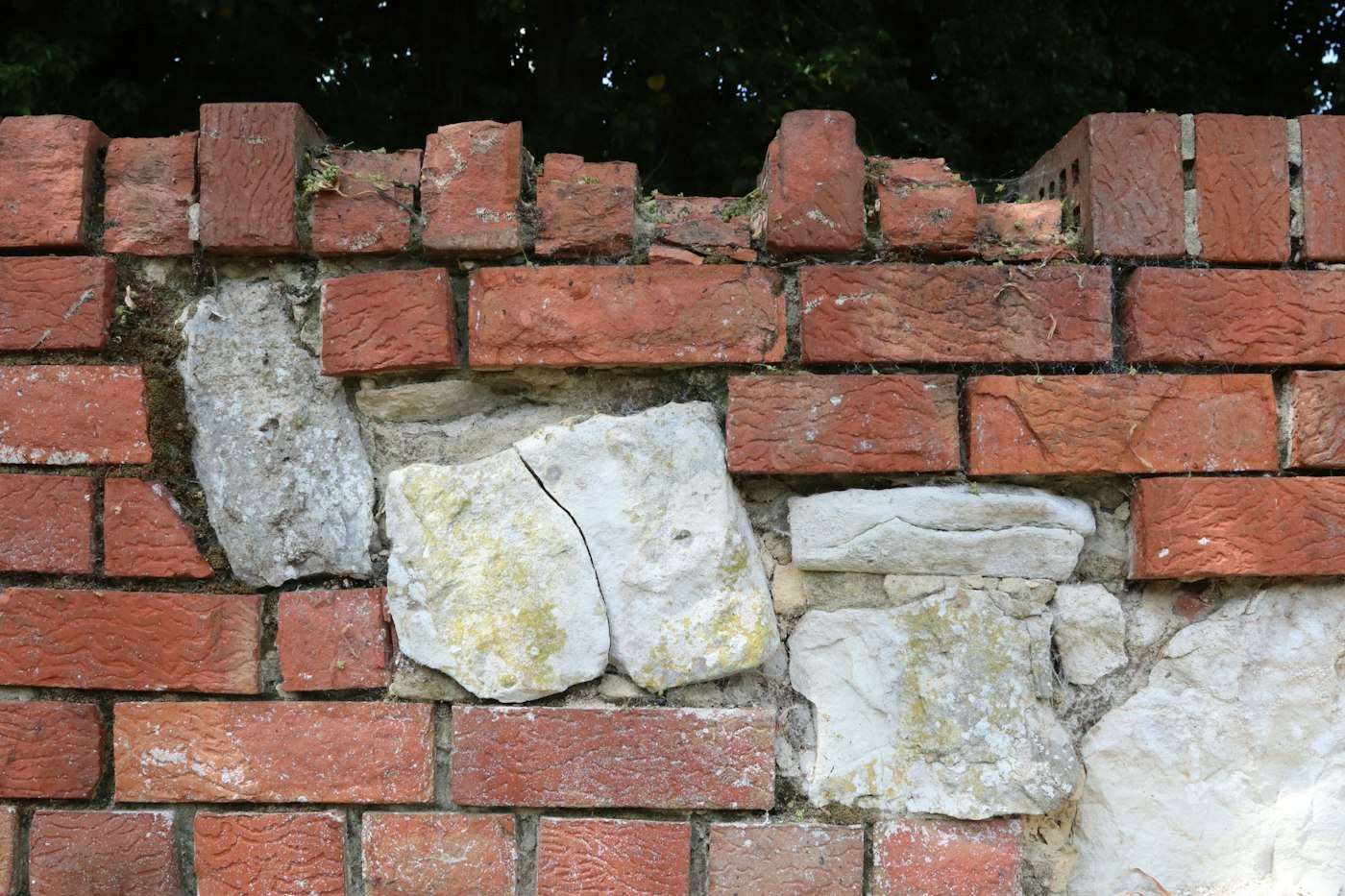
Some people enter a new year with something to rebuild. It might be a relationship, a habit of faith, a family routine or a ministry that has fallen into disrepair. The task can feel overwhelming.
The book of Nehemiah tells the story of a man who faced a massive rebuilding project. His example is full of practical wisdom grounded in prayer.
It Began With a Broken Heart
Nehemiah served as cupbearer to the Persian king. When he heard that the walls of Jerusalem were broken down and its gates burned, he “sat down and wept, and mourned certain days, and fasted, and prayed before the God of heaven” (Nehemiah 1:4, KJV).
Nehemiah did not rush into action. He first let the brokenness move him, and he brought it to God. His prayer in chapter 1 includes praise, confession and a request for favor. Rebuilding began on his knees.
Prayer and Planning Together
When the king noticed Nehemiah’s sadness and asked what he wanted, Nehemiah says, “So I prayed to the God of heaven. And I said unto the king…” (Nehemiah 2:4-5). In a single moment, he breathed a prayer and then made a clear, well-thought-out request, including letters for safe travel and timber for the gates.
Nehemiah shows that faith and planning are not opposites. He prayed earnestly and planned carefully. When he arrived in Jerusalem, he quietly surveyed the damage before announcing the work (Nehemiah 2:12-16).
Everyone Had a Section
Nehemiah 3 is a long list of names and places. It may seem tedious, but it reveals something beautiful. The rebuilding was shared. Priests, goldsmiths, perfume makers, rulers and families each took a section of the wall, often near their own homes.
No one rebuilt the whole wall alone. Big projects become possible when many people faithfully do their part.
Facing Opposition
Not everyone was happy about the work. Opponents mocked, threatened and tried to distract Nehemiah. His response was steady: “Nevertheless we made our prayer unto our God, and set a watch against them day and night” (Nehemiah 4:9). He prayed and took sensible precautions.
When enemies tried to lure him away, he answered, “I am doing a great work, so that I cannot come down” (Nehemiah 6:3). Sometimes faithfulness means refusing distractions, even ones that look reasonable.
Lessons for Your Rebuilding
If you are rebuilding something this year, consider these lessons:
- Let God move your heart before you move your hands.
- Pray, then plan wisely.
- Assess the damage honestly.
- Invite others to share the work.
- Expect opposition and discouragement, and keep going.
- Celebrate God’s help along the way.
When the wall was finished, the people gathered to hear God’s Word, and they were told, “the joy of the LORD is your strength” (Nehemiah 8:10). Rebuilding is hard work, but it can lead to deep joy when God is at the center.
Going Deeper: The Setting of Nehemiah’s Story
Nehemiah’s story takes place after the exile. Years earlier, Babylon had destroyed Jerusalem and carried many of its people away. When Persia rose to power, Jews were allowed to return, and the temple was rebuilt, as the book of Ezra records. Yet the city walls still lay in ruins. In the ancient world, a city without walls was vulnerable and disgraced. Its people lived exposed to raiders and to the scorn of their neighbors.
Nehemiah himself had a comfortable position in the Persian court. A cupbearer tasted the king’s wine and stood close to him, a role that required great trust. Nehemiah could have stayed safe and simply felt sorry for Jerusalem from a distance. Instead, he let God’s concern become his own and risked his position to ask for help. It is worth remembering that it was dangerous to look sad in the king’s presence. Nehemiah tells us, “Then I was very sore afraid” (Nehemiah 2:2). He was courageous, but he was not fearless.
Nehemiah’s prayer in chapter 1 is also worth studying. He prayed “the sins of the children of Israel, which we have sinned against thee: both I and my father’s house have sinned” (Nehemiah 1:6). He did not stand apart from the problem and blame others. He included himself. Rebuilding often begins with that kind of humble honesty.
When the Rubble Is Discouraging
Halfway through the work, the people of Judah said, “The strength of the bearers of burdens is decayed, and there is much rubbish; so that we are not able to build the wall” (Nehemiah 4:10). That is an honest description of a middle season in any rebuilding effort. The excitement of starting has worn off, and the end is not yet in sight.
Nehemiah’s answer was to remind them of the Lord: “Be not ye afraid of them: remember the Lord, which is great and terrible, and fight for your brethren, your sons, and your daughters, your wives, and your houses” (Nehemiah 4:14). He reminded them who God was and why the work mattered. When you hit the rubble stage, those two reminders still help.
Putting It Into Practice
Here is a simple way to apply Nehemiah’s pattern to whatever you are rebuilding:
- Write down what is broken. Be specific. “My prayer life has become nearly nonexistent,” or “Our family no longer eats together.”
- Pray over it for several days. Like Nehemiah, include praise, confession and a request for God’s favor.
- Survey quietly. Before announcing big changes, take time to understand the situation fully.
- Pick your first section of wall. Choose one small, concrete step close to home.
- Invite others in. Ask a spouse, friend or church family member to pray with you or share the work.
- Guard against distraction. Decide in advance what you will say no to so you can keep doing the great work.
Questions Readers Ask
How long did it take to rebuild the wall?
Nehemiah 6:15 says the wall was finished in fifty-two days. Even the surrounding nations recognized “that this work was wrought of our God” (Nehemiah 6:16). Not every rebuilding project in our lives will move that fast, but God is able to do far more than we expect.
What if the brokenness was my own fault?
Jerusalem’s ruin was the result of the people’s sin, yet God still made a way to rebuild. Confess honestly, receive His forgiveness and begin. God specializes in restoring what was lost.
What if others do not want to help?
Not everyone joined Nehemiah. Some nobles, the book notes, “put not their necks to the work” (Nehemiah 3:5). Do your part faithfully and keep inviting others. God sees every stone you set in place.