
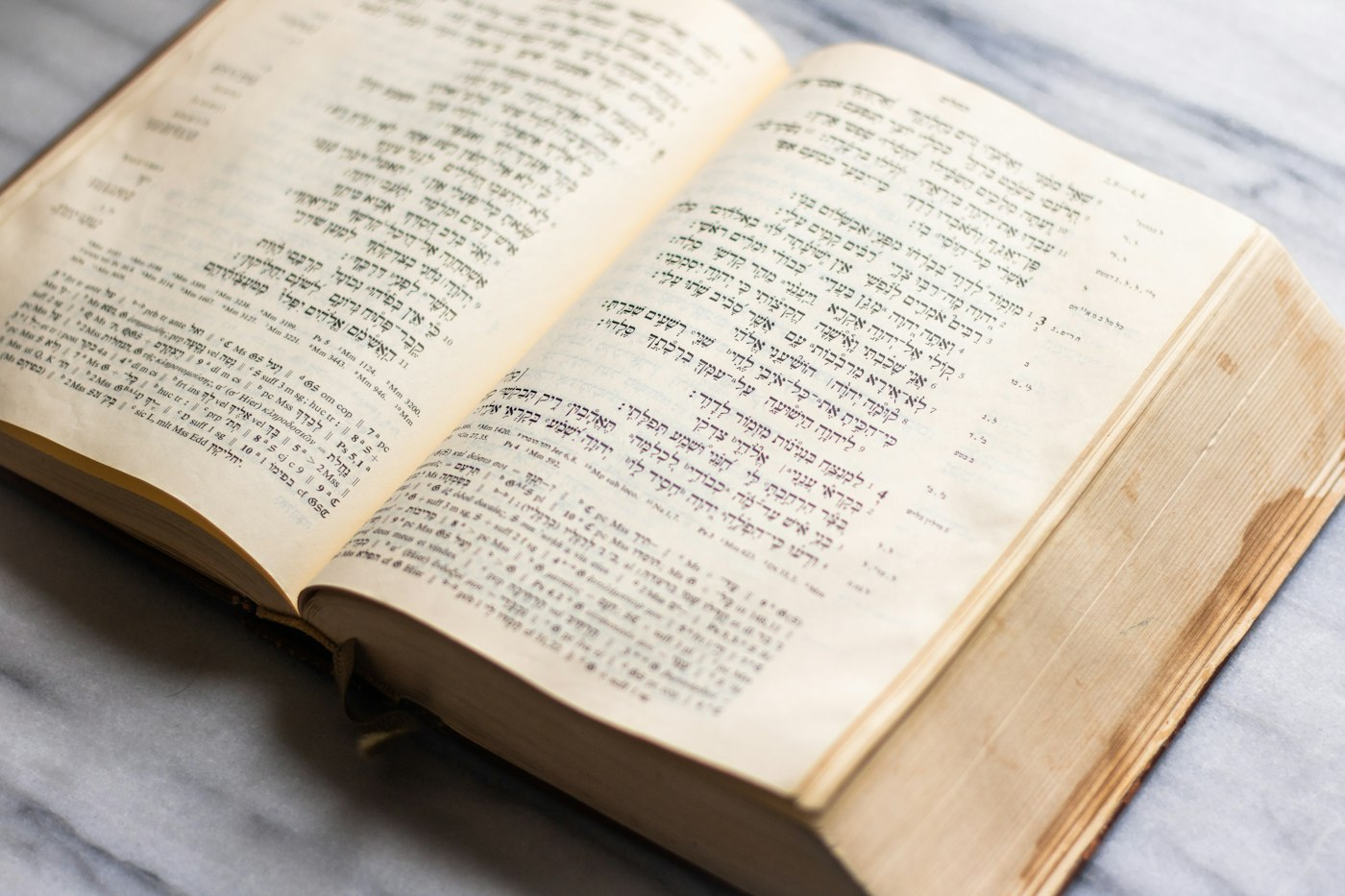
Many believers start a yearly Bible reading plan with enthusiasm, only to feel lost somewhere in Leviticus or Numbers. The Old Testament can feel distant and difficult. Yet it makes up the larger part of the Bible, and Jesus Himself taught from it constantly.
Here are answers to some common questions that may help you read it with fresh confidence.
Why Should Christians Read the Old Testament?
The Old Testament was the Bible Jesus read, quoted and taught. After His resurrection, He walked with two disciples and, “beginning at Moses and all the prophets, he expounded unto them in all the scriptures the things concerning himself” (Luke 24:27, KJV).
Paul wrote that “whatsoever things were written aforetime were written for our learning, that we through patience and comfort of the scriptures might have hope” (Romans 15:4). The Old Testament tells the story that leads to Christ, reveals God’s character and teaches wisdom for daily life.
How Is the Old Testament Organized?
In most English Bibles, the thirty-nine Old Testament books are grouped roughly by type:
- The Law (Genesis to Deuteronomy): creation, the patriarchs, the exodus and God’s covenant with Israel.
- History (Joshua to Esther): Israel in the land, the kings, exile and return.
- Poetry and Wisdom (Job to Song of Solomon): prayers, songs and practical wisdom.
- The Prophets (Isaiah to Malachi): messages from God calling His people back and pointing ahead to the Messiah.
Knowing which kind of book you are in helps you read it well. A psalm is read differently than a law code or a historical narrative.
What About the Hard Parts?
The Old Testament contains passages that are difficult, including accounts of violence, strange laws and long genealogies. It is honest about human sin, even among God’s people. Some things are described without being approved.
When you reach a hard passage, it is fine to slow down, write down your questions and look for help. A good study Bible, a trusted pastor or a Bible study group can provide helpful background. Not every question will be resolved at once, and that is okay.
Do the Old Testament Laws Apply Today?
Christians have long understood that some laws, such as the sacrificial system, were fulfilled in Christ. Hebrews explains that Jesus is the final sacrifice (Hebrews 10:10-12). Other laws reflect God’s unchanging moral character, which Jesus affirmed and summarized in the commands to love God and neighbor (Matthew 22:37-40).
Even laws that no longer apply directly still teach us about God’s holiness, His care for the poor and His desire for His people to be set apart.
Where Should a Beginner Start?
If you are new to the Old Testament, consider starting with Genesis, then reading a few Psalms, Proverbs and the stories of Ruth, Samuel and David. From there, Isaiah is a rich prophetic book with many passages quoted in the New Testament.
Above all, read with an eye toward God’s faithfulness. From the garden to the prophets, the Old Testament tells the story of a God who keeps His promises, a story that finds its fulfillment in Jesus.
More Questions Readers Ask
Why are there so many genealogies?
Long lists of names can feel tedious, but they served important purposes. They traced God’s promises through real families across generations. They established who belonged to which tribe and who could serve as priests. And they remind us that God remembers people by name. The genealogy at the start of Matthew’s Gospel shows why this matters: it connects Jesus to Abraham and David, showing that God’s promises to them were fulfilled in Him. When you reach a genealogy, it is fine to read it more quickly, but pause to notice familiar names and the faithfulness of God through the generations.
Is the God of the Old Testament different from the God of the New?
No. Some people feel that the Old Testament shows a stern God and the New Testament a loving one. A careful reading shows otherwise. The Old Testament is full of God’s mercy, patience and steadfast love. God described Himself to Moses as “merciful and gracious, longsuffering, and abundant in goodness and truth” (Exodus 34:6). And the New Testament speaks seriously about God’s holiness and judgment. Jesus said, “I and my Father are one” (John 10:30). The same God is revealed in both, more fully in Christ.
How should I read the prophets?
The prophets can be hard to follow because they often speak in poetry and move quickly between their own time and the distant future. It helps to ask three questions. First, who was the prophet speaking to, and what was happening in their day? Second, what was the main call: repentance, justice, faithfulness or hope? Third, how does the passage point forward to Christ? An introduction in a study Bible can give helpful background on each prophet’s setting.
What is the best way to read Leviticus?
Leviticus is where many reading plans stall. Try reading it with a few big ideas in mind. It shows that God is holy and that sin is serious. It shows that God graciously provided a way for sinful people to live in His presence. And it points forward to Jesus, our great High Priest and final sacrifice. The book of Hebrews is an excellent companion, since it explains how much of Leviticus is fulfilled in Christ.
A Simple Method for Any Old Testament Passage
When you are not sure how to approach what you are reading, these four steps can help:
- Observe. What happens? Who is involved? What words or ideas repeat?
- Locate. Where does this passage fit in the big story: before the exodus, during the kings, in exile?
- Ask about God. What does this show about His character, His promises or His ways?
- Look to Christ. Is there a promise, a pattern or a person here that points toward Jesus?
Then add one more question that brings it home: what does this mean for how I trust and obey God today?
Common Mistakes to Avoid
- Treating every story as a moral example. Many Old Testament characters are flawed. Not everything they did is meant to be copied. Often the hero of the story is God, who stays faithful despite human failure.
- Pulling verses out of context. Promises given to a particular person or nation should be read with that setting in mind before applying them today.
- Reading only the familiar parts. The well-known stories are wonderful, but some of the richest treasures are in less-read books like Micah, Habakkuk and Zephaniah.
- Giving up on the hard parts. Difficulty is not a sign you are doing it wrong. Many generations of believers have wrestled with the same questions and found God faithful.