
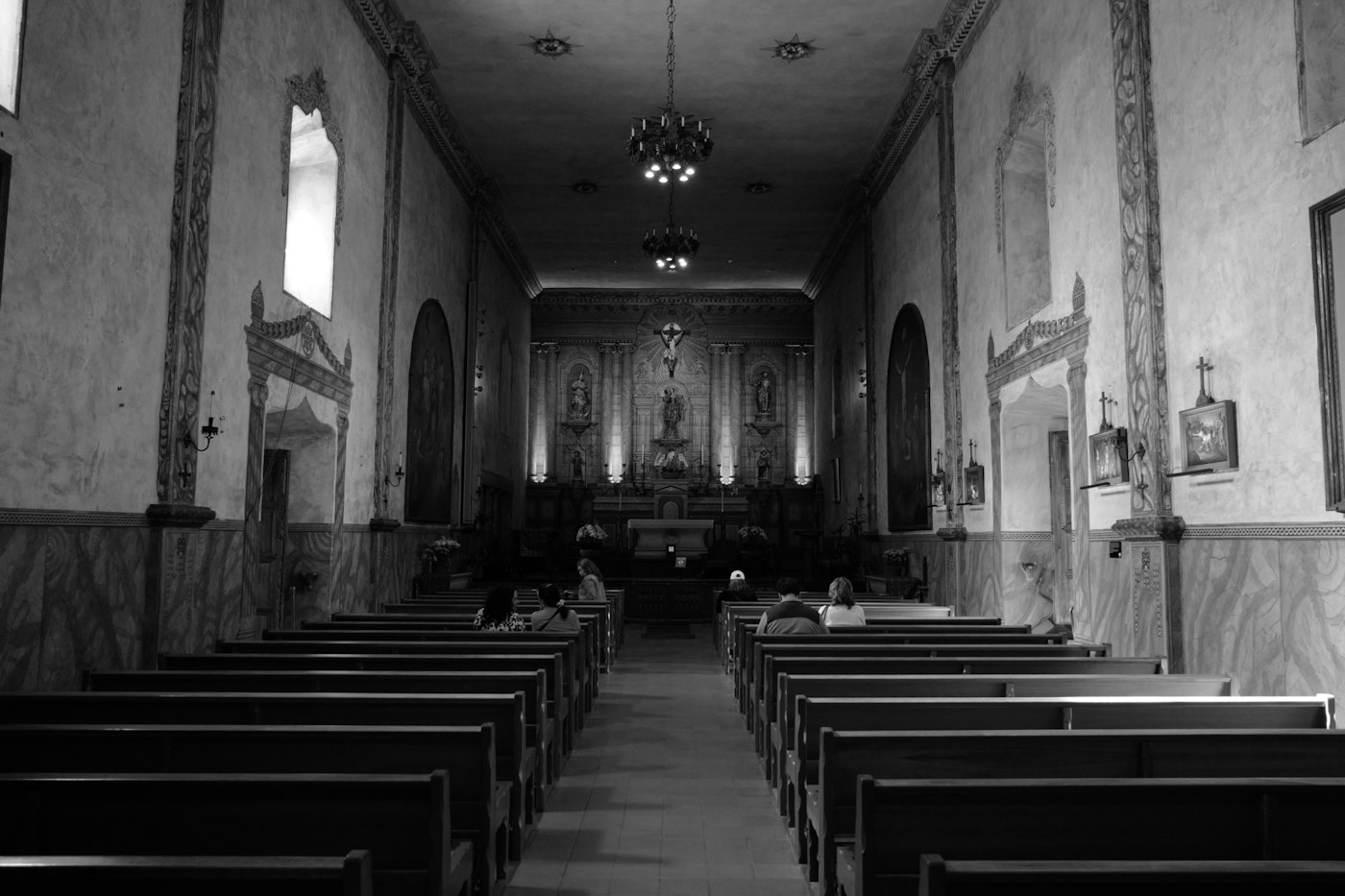
One church I served has since closed. The building is something else now. The people scattered to other churches. I will not pretend that does not sting a little when I think about it. A pastor pours years of his life into a congregation, and part of him assumes it will go on forever. But I have come to a settled conviction about it: the work was not wasted; it was planted elsewhere.
When a Church Closes
Churches close for many reasons. A town changes. People move away. A congregation grows older and smaller. Sometimes there is conflict; sometimes there is just a long, slow decline that no one could stop. Whatever the cause, the closing of a church is a real loss, and it is right to grieve it.
Think of what a church building holds. Baptisms. Weddings. Funerals. Children learning to pray. Old men singing hymns they learned as boys. Prayers prayed in tears at the altar. When the doors close for the last time, it can feel as though all of that has been erased.
The prophet Haggai spoke to people who remembered the former glory of the temple and wept to see how small the new one was (Haggai 2:3). Ezra describes the same scene: when the foundation of the second temple was laid, the young shouted for joy while “many of the… ancient men, that had seen the first house… wept with a loud voice” (Ezra 3:12). God’s people have always known what it is to mourn a house of worship that is not what it once was.
The Church Is Not the Building
And yet the church was never the building. Peter calls believers “lively stones… built up a spiritual house” (1 Peter 2:5). Paul calls the church the body of Christ (1 Corinthians 12:27). The building was the place where the church met, but the church itself was the people, and the people are still the Lord’s.
When that congregation closed, the people did not cease to be Christians. They scattered to other churches. They took with them the Scripture they had learned, the hymns they had sung, the habits of prayer and service they had formed. They became deacons, teachers, nursery workers and prayer warriors somewhere else. In a real sense, that church did not end. It was distributed.
Scattering Is Not Always Defeat
There is a striking pattern in the book of Acts. After Stephen was martyred, a great persecution broke out, and the believers in Jerusalem “were all scattered abroad throughout the regions of Judaea and Samaria.” What happened next? “They that were scattered abroad went every where preaching the word” (Acts 8:1, 4).
The scattering looked like a disaster. It was actually the way the gospel spread. I am not saying every church closing is God’s plan for missions, and I would never make light of the pain involved. But I do believe that the Lord wastes nothing. Seed that falls from one field is often carried by the wind to another.
Jesus said, “Except a corn of wheat fall into the ground and die, it abideth alone: but if it die, it bringeth forth much fruit” (John 12:24). That principle applies first to His own death and resurrection, but it echoes through the life of His people too. Some things have to end before their fruit can be seen.
For Pastors Who Wonder If It Was Worth It
If you are a pastor whose church has closed, or one who served faithfully somewhere that later declined, let me speak to you directly. Your labor was not in vain. Paul wrote, “Be ye stedfast, unmoveable, always abounding in the work of the Lord, forasmuch as ye know that your labour is not in vain in the Lord” (1 Corinthians 15:58).
The success of a ministry is not measured by whether the building stands fifty years later. It is measured by faithfulness. Did you preach the Word? Did you love the people? Did you point them to Christ? Then the work goes on, in the lives of every person you shepherded, in places you may never know about.
A few things that have helped me think about it:
- Grieve honestly. It is not unspiritual to be sad. Bring it to the Lord.
- Remember the people, not the property. Pray for those who were part of that congregation by name.
- Refuse bitterness. Whatever caused the closing, do not let resentment root in your heart (Hebrews 12:15).
- Look for the fruit elsewhere. When you hear of someone from that church serving faithfully somewhere else, thank God for it.
- Leave the results with Him. The church belonged to Christ all along.
For Members Who Have Lost a Church Home
Perhaps you were a member of a congregation that closed, and you still feel like a refugee. That is understandable. But do not stay unattached. Find a church where the gospel is preached, and plant yourself there. Bring what you learned. Serve. Let the gifts God grew in you in one place bless another.
You may find that the Lord uses your experience to strengthen your new congregation. People who have seen a church close often understand better than anyone how precious a living church is.
What to Do This Week
- If you have lost a church home, write down three things you learned there and thank God for each.
- Pray for any church in your area that is struggling or declining.
- Read Acts 8:1–8 and notice how scattering led to preaching.
- If you are not yet planted in a congregation, visit one this Sunday.
- Thank a former pastor or teacher whose work in your life outlasted the place you met.
A Prayer
Lord, redeem what seems lost. Where doors have closed and buildings have changed hands, remind us that Your church still lives in Your people. Comfort those who grieve a congregation that is gone. Bless the seed that was scattered, and let it bear fruit in every place it has fallen. Make us steadfast, knowing that our labor is not in vain in You. Amen.