
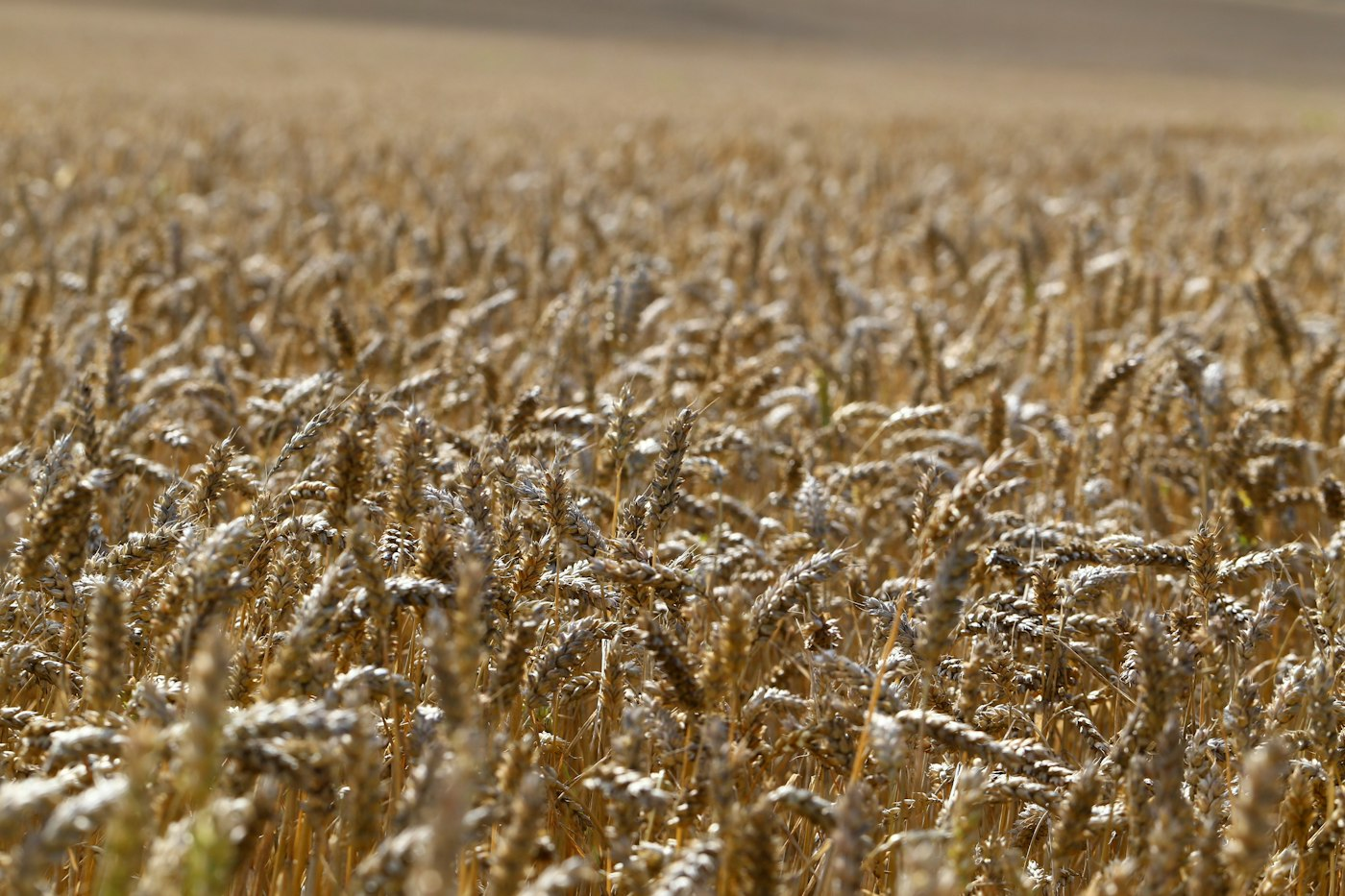
Farmers planted in faith and waited. Ministry is the same. Scripture says it plainly: “In due season we shall reap.” Late September along the coast, when the heat finally starts to break and the fields inland turn gold and brown, I find myself thinking about the men and women who put seed in the ground months ago without any guarantee of what would come up. They did their part and then trusted. That is the posture of every faithful pastor, every Sunday school teacher, every parent who has prayed over a child who seemed not to be listening. We plant, and then we wait.
The Verse Behind the Season
The words come from Galatians 6:9: “And let us not be weary in well doing: for in due season we shall reap, if we faint not.” Paul was writing to churches that had grown tired and a little confused. Some had been pulled toward a religion of performance. Others were simply worn out from doing good to people who did not seem to appreciate it. Into that weariness he speaks a farmer’s promise.
Notice the three parts of the verse. There is a command: do not grow weary in doing good. There is a promise: you will reap. And there is a condition: if we faint not. The harvest is certain, but it comes “in due season,” which is God’s season, not ours. And it comes to those who keep going.
Just a few verses earlier Paul says, “Whatsoever a man soweth, that shall he also reap” (Galatians 6:7). We usually hear that as a warning, and it is one. But it is also an encouragement. If sowing to the flesh produces a harvest of corruption, then sowing to the Spirit produces a harvest too. Nothing done for Christ is lost in the soil.
What Farmers Know That Preachers Forget
I have never farmed for a living, but I have lived among people who did, and I have listened to them. A few things they understand better than most of us in the pulpit:
- Seed is buried before it is useful. You cannot see a seed working. For a long time it looks as though nothing is happening at all. Ministry often looks that way. A sermon goes into a heart and disappears for years.
- You do not dig it up to check on it. A farmer who keeps pulling up seed to see whether it has sprouted will kill the crop. Pastors can do the same thing when we demand to see results too quickly, or when we measure a person’s faith every week.
- Weather is not in your hands. Drought, storms and early frost come to the faithful farmer and the careless one alike. Hard seasons in a church are not always a sign that someone did something wrong.
- Harvest comes all at once, after a long while. Months of nothing visible, then a few weeks when the work is almost more than you can handle.
Jesus told the parable of seed that grows “he knoweth not how” (Mark 4:27). The sower sleeps and rises night and day, and the seed springs up. I find that a great comfort. The growing is God’s business. Mine is the planting and the tending.
Sowing in Ministry Looks Small
When I look back over a lifetime of pastoral work, most of what I would call sowing did not feel important at the time. It was a hospital visit on a gray afternoon. A phone call to someone who had missed three Sundays. A lesson taught to a handful of children when I was tired. A word of encouragement to a deacon who was discouraged. None of it looked like much.
Paul says in 1 Corinthians 3:6, “I have planted, Apollos watered; but God gave the increase.” Sometimes we plant and someone else waters. Sometimes we water what someone else planted years before we arrived. Jesus said the same thing to His disciples: “One soweth, and another reapeth” (John 4:37). There were times I reaped a harvest that some faithful saint before me had sown in tears, and times I sowed and moved on before anything came up. That is how the Lord intends it. It keeps us humble, and it keeps the glory where it belongs.
Why We Grow Weary
Paul would not have warned against weariness if it were not a real danger. In my experience it comes from a few places:
- We expect the harvest on our schedule. When it does not come, we decide it is not coming at all.
- We compare fields. Another church seems to be growing; another pastor seems to have more fruit. Comparison is a quick way to stop planting.
- We do good without rest. Even farmers let fields lie fallow. A worker who never rests will eventually faint.
- We forget whose field it is. When I thought of the church as mine, every disappointment felt personal. When I remembered it was His, I could keep going.
The cure for weariness is not trying harder. It is trusting more. The farmer’s patience is not passive. He still mends fences and watches the sky. But he does not lie awake trying to make the corn grow. He knows he cannot.
Patience Is Not the Same as Waiting Around
James writes, “Behold, the husbandman waiteth for the precious fruit of the earth, and hath long patience for it, until he receive the early and latter rain. Be ye also patient” (James 5:7–8). The husbandman waits, but he waits as a worker. He has done the plowing. He has done the planting. Now he tends and trusts.
That is the patience I am asking the Lord for these days. Not the patience of someone who has given up, but the patience of someone who believes the seed is good and the Lord of the harvest is faithful. If you are a parent waiting on a prodigal, a teacher wondering if any of it is sinking in, or a pastor looking at thin attendance in a hard season, you are not wasting your time. You are a farmer in the middle of the waiting.
What to Do This Week
- Name one “field” you have been tempted to give up on, a person, a ministry, a prayer, and write it down.
- Do one small act of sowing: a card, a call, a visit, a lesson prepared with care.
- Read Galatians 6:7–10 slowly, and underline the words “if we faint not.”
- Thank God for someone who planted in your life long before you knew it.
- Rest on purpose for one afternoon. Fields need it, and so do farmers.
A Prayer
Lord, give us the farmer’s patience. Help us plant good seed when no one is watching and keep tending it when nothing seems to grow. Guard us from weariness and from the pride that wants to see every result. Remind us that the increase is Yours, that the field is Yours, and that in due season we shall reap if we faint not. Amen.