
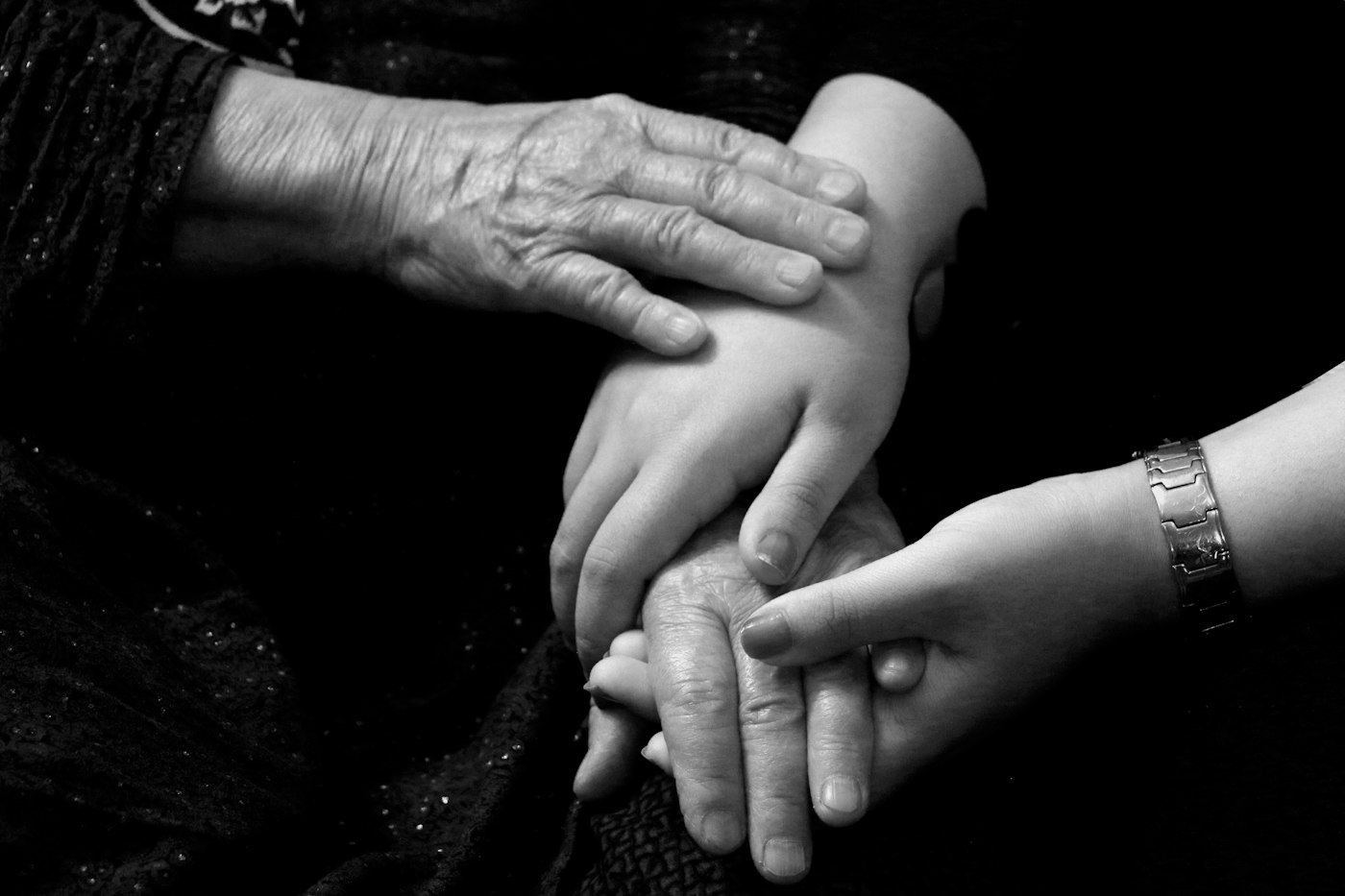
When Jenny was sick, I learned what the families I had visited for decades already knew: how long the nights are, how much a visitor means. The church came. I had never needed it so badly. I had spent my life on the visiting side of the hospital door. That season put me on the other side, and it changed how I understand care.
From Visitor to Caregiver
For many years I was the one who walked into the room, prayed, offered a word of comfort and then walked out again. I meant every prayer. I cared about every family. But I went home afterward to my own bed and my own ordinary evening.
When Jenny was sick, there was no walking out. I was the one sitting by the bed. I was the one watching every change, waiting for news, and trying to understand what was being said. I was the one who stayed.
I do not share the details of her illness here; those belong to her. But I want to share what I learned, because I believe it may help both caregivers and those who want to care for them.
How Long the Nights Are
Families had told me for years that the nights were the hardest. I had nodded and believed them. Now I knew.
The daytime has its distractions: nurses coming and going, phone calls, decisions to make. But at night the hallway goes quiet, the lights go low, and you are left alone with your fears. Every sound seems louder. Every worry grows larger. You pray, and sometimes the prayers feel like they go no higher than the ceiling.
The psalmist knew those nights. “I am weary with my groaning; all the night make I my bed to swim; I water my couch with my tears” (Psalm 6:6). And yet he also wrote, “weeping may endure for a night, but joy cometh in the morning” (Psalm 30:5). Holding on to that promise through the long hours is an act of faith. Some nights it was the only thing I had.
How Much a Visitor Means
I had always believed visits mattered. I had not understood how much.
When someone from the church came through that door, the room changed. It was not that they brought answers. Usually they did not say anything remarkable. It was that they came. They saw us. They remembered us. For a little while, I was not carrying it alone.
Whatever form the care took, whether a meal, a prayer, a phone call, a card in the mail or simply a few minutes of company, all of it mattered. Paul wrote, “Bear ye one another’s burdens, and so fulfil the law of Christ” (Galatians 6:2). I felt my burden being carried by many hands.
Learning to Receive
Pastors are not always good at receiving help. We are used to being the ones who give. I had to learn to say yes when people offered, to accept a meal without insisting I was fine, to let others pray for me instead of always praying for them.
That was humbling, and it was good for me. I think of Jesus washing Peter’s feet, and Peter protesting, “Thou shalt never wash my feet.” Jesus answered, “If I wash thee not, thou hast no part with me” (John 13:8). Sometimes the harder grace is to let yourself be served.
I had never needed the church so badly. And the church came.
What I Would Tell Caregivers
If you are caring for a sick spouse, parent or child, here is what I learned from that season.
- Let people help. When someone offers, give them something specific to do. It blesses them as well as you.
- Take care of your own body. Eat, drink water, sleep when you can, and step outside for air. You cannot pour from an empty cup.
- Be honest with God. The psalms give you permission to cry out. He can handle your fear and your questions.
- Write things down. Doctors’ instructions, medications and questions are easier to manage on paper when you are tired.
- Ask the medical team your questions. Do not be afraid to ask a doctor or nurse to explain again.
- Find one person you can be completely honest with. A friend, a pastor or a counselor who will listen without fixing.
- Remember that the Lord is with you at night. “He that keepeth thee will not slumber” (Psalm 121:3).
What I Would Tell Those Who Want to Help
- Go. Your presence matters far more than your words.
- Keep it short unless they want you to stay. Sick people and caregivers tire quickly.
- Offer something specific. “I will bring supper Thursday” is easier to accept than “Let me know if you need anything.”
- Remember the caregiver. Ask how they are doing, not only how the patient is doing.
- Keep coming. Help pours in at the beginning and often fades. The long middle is when caregivers feel most alone.
- Pray, and tell them you did.
What to Do This Week
- Think of a caregiver you know and do one specific thing to help them.
- Read Psalm 121 and pray it for someone sitting by a hospital bed tonight.
- If you are a caregiver, let someone help you with one thing this week.
- Send a card to someone in a long illness, especially if the visits have slowed.
- Thank God for the church members who have carried your burdens in the past.
Prayer: Lord, be near every caregiver tonight. Amen.