
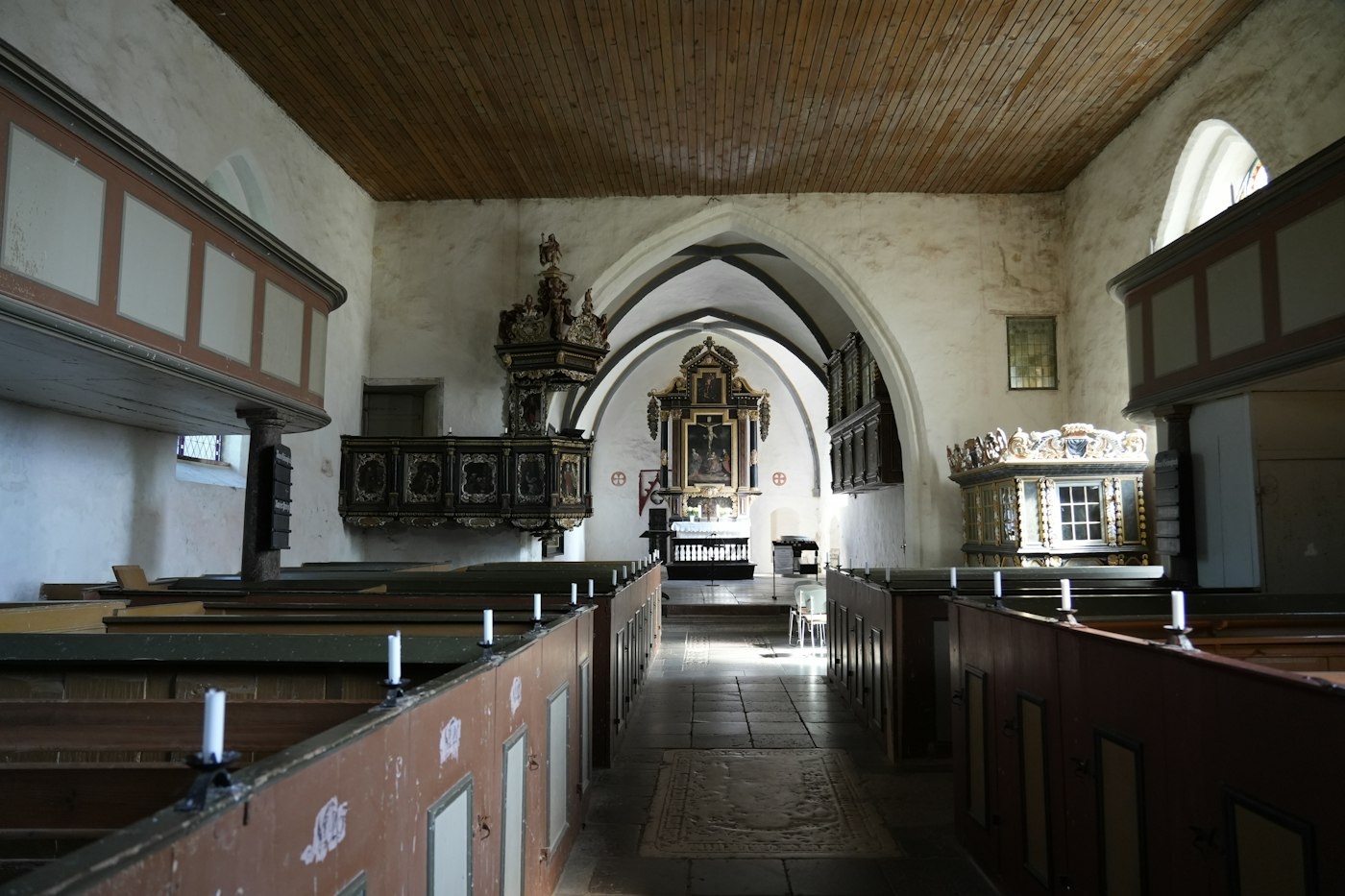
Once I preached something I later realized was wrong. The next Sunday I said so from the pulpit. The congregation trusted me more afterward, not less. I was afraid that admitting the mistake would cost me something with the people I served. What it actually cost me was a little pride, and what it gave back was worth far more.
I share this not to dwell on the error, but because I believe every leader, in a church or a home or a workplace, will someday face the same choice I faced that week: defend the mistake or own it.
The Week Between Two Sundays
The realization did not come all at once. It came in the quiet of the week, the way these things usually do, while I was reading and praying and turning the text over again. I saw that I had gotten it wrong. Not a slip of the tongue, but something I had taught as true that was not.
I remember the temptation clearly. I could let it go. Most people probably had not noticed. Perhaps I could slip a quiet clarification into some future sermon and nobody would be the wiser. But I had said it from the pulpit, in front of people who trusted me to handle God’s Word carefully. If the error was public, the correction needed to be public too.
Why Pastors Find This So Hard
James gives a sobering warning: “My brethren, be not many masters, knowing that we shall receive the greater condemnation. For in many things we offend all” (James 3:1-2). Teachers carry extra responsibility, and the same verse admits that all of us stumble.
The pressure on a pastor to appear as if he never stumbles is real. Some of it comes from the congregation, but much of it comes from inside us. We worry that if we admit one mistake, people will doubt everything else we have said. We confuse authority with infallibility. But the authority belongs to the Word, not to the preacher. When I correct myself to bring my teaching back in line with Scripture, I am not weakening the pulpit. I am honoring the One the pulpit is supposed to serve.
What the Bible Shows Us About Correction
Scripture is full of leaders who were corrected and were better for it.
- Apollos was “an eloquent man, and mighty in the scriptures,” yet Priscilla and Aquila “took him unto them, and expounded unto him the way of God more perfectly” (Acts 18:24-26). He received it, and his ministry grew.
- Peter, a pillar of the early church, was rebuked by Paul to his face over how he was treating Gentile believers (Galatians 2:11-14). Later Peter would call Paul “our beloved brother” (2 Peter 3:15).
- David was confronted by the prophet Nathan and answered simply, “I have sinned against the Lord” (2 Samuel 12:13).
And there is a plain promise for anyone willing to own their wrongs: “He that covereth his sins shall not prosper: but whoso confesseth and forsaketh them shall have mercy” (Proverbs 28:13).
Why the Congregation Trusted Me More
I expected disappointment. What I received instead were kind words at the door and, over the following months, a deeper openness from people. I have thought a good deal about why.
I believe it is because people do not actually need their pastor to be perfect. They know he is not. What they need is to know that he is honest, that he cares more about the truth than about his reputation, and that he is under the same Word he preaches. When I stood up and said, “Last week I was wrong,” I was showing them that I was not above correction. That made it safer for them to bring their own struggles and mistakes to me.
It also modeled something I wanted them to practice at home. Husbands and wives, parents and children, employers and employees all need to learn how to say, “I was wrong, and I am sorry.” It is easier to learn when you have seen someone do it in front of you.
How to Correct Yourself Well
Whether you lead a congregation, a Sunday school class, a family or a team at work, these are the lessons I took from that week.
- Do not wait too long. The longer an error stands, the harder it is to correct and the more damage it can do.
- Correct it where you said it. A public mistake deserves a public correction. A private one can be handled privately.
- Be clear and brief. Say what you said, say what is true, and say you are sorry. You do not need a long speech or a show of self-punishment.
- Do not blame others. Not the commentary you read, not the busy week, not the person who misunderstood. Own it.
- Thank those who helped you see it. If someone brought the error to your attention, honor them for their courage.
- Then move forward. Confession is followed by mercy. “If we confess our sins, he is faithful and just to forgive us our sins” (1 John 1:9). You are free to keep serving.
A Word to Those Who Sit in the Pew
Congregations can make this easier or harder. If you notice your pastor or teacher has said something that troubles you, go to him privately and gently, as Priscilla and Aquila did with Apollos. Ask questions rather than making accusations. And if your pastor ever stands up and admits a mistake, receive it with grace. You are helping build a church where honesty is safe.
Pray, too, for those who teach you. Theirs is a heavy responsibility, and none of them carries it perfectly.
What to Do This Week
- Ask the Lord to show you one place where you have been unwilling to admit you were wrong.
- If there is someone you need to make it right with, do it this week, simply and without excuses.
- Read Acts 18:24-28 and notice how Apollos responds to correction.
- Pray by name for your pastor and the teachers in your church.
- Practice saying the words “I was wrong” at home. They get easier with use.
Prayer: Lord, give us the humility to correct ourselves. Amen.