
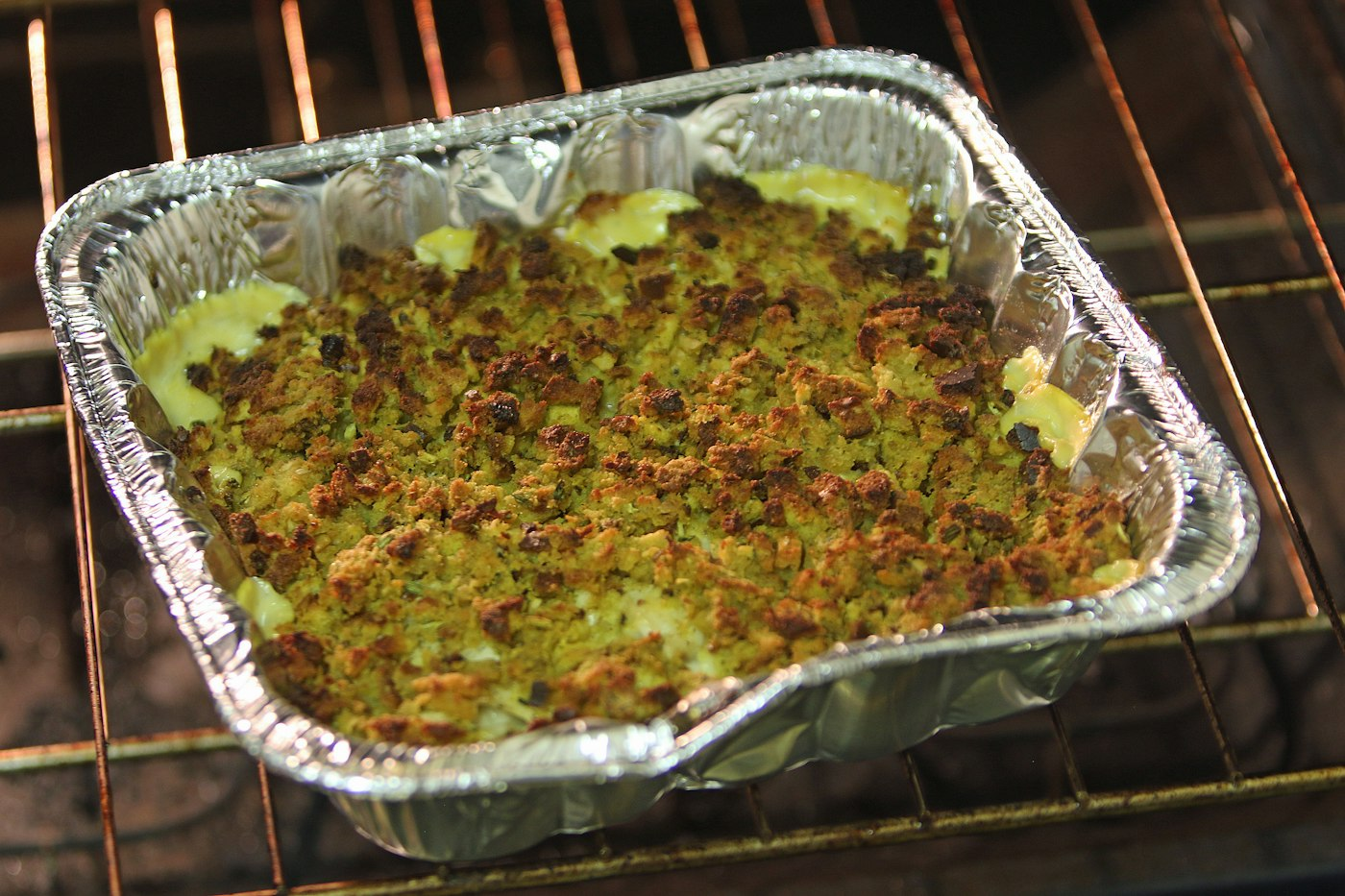
For decades, when someone in the church was sick or grieving, a casserole left our kitchen within the hour. Jenny never asked whether it was needed. She knew. The phone would ring with hard news, and before I had even hung up, I could hear the oven door and the clatter of a baking dish being pulled from the cabinet. I preached a good many sermons about the love of God over the years. Jenny preached just as many, and hers came covered in foil.
Within the Hour
What strikes me most when I look back is not the cooking itself but the speed and the certainty. Jenny did not wait to see whether anyone else was bringing food. She did not call to ask whether the family wanted something. She simply knew that when sickness or death comes to a house, the people inside are not thinking about supper, and somebody ought to think about it for them.
There is wisdom in not asking. When you ask a grieving family, “Is there anything I can do?”, most of them will say, “No, we are fine, thank you.” They do not want to impose. They are too overwhelmed to think about what they need. But when a warm dish simply shows up on the porch, it is received with gratitude almost every time.
What Food Says
You are not alone, and you do not have to cook tonight. It is theology in a nine-by-thirteen pan. She still does it here on the coast, for neighbors we barely know.
You are not alone
A meal carried to someone’s door says something words often cannot. It says, “Somebody knows what you are going through, and somebody cares.” In the fog of grief or illness, that can mean more than any card or phone call.
You do not have to cook tonight
It is a practical gift. When you are sitting at a hospital bedside or planning a funeral, the last thing you have the energy for is figuring out what to make for dinner. A casserole lifts one ordinary burden off tired shoulders, and sometimes that one burden is the difference between coping and coming apart.
Theology in a pan
I call it theology because that is what it is. It is the gospel made practical. James wrote, “If a brother or sister be naked, and destitute of daily food, and one of you say unto them, Depart in peace, be ye warmed and filled; notwithstanding ye give them not those things which are needful to the body; what doth it profit?” (James 2:15–16). Love that does not take a practical form is not much love at all. John put it this way: “Let us not love in word, neither in tongue; but in deed and in truth” (1 John 3:18).
Jesus and the Ministry of the Table
It should not surprise us that food is a form of ministry. Jesus spent a great deal of His earthly life at tables. He turned water into wine at a wedding. He fed five thousand on a hillside. He ate with tax collectors and sinners, to the dismay of the religious leaders. After His resurrection, He cooked breakfast for His disciples on the shore of the Sea of Galilee: “Come and dine” (John 21:12).
The early church followed His example. In Acts, the believers “did eat their meat with gladness and singleness of heart” (Acts 2:46). Caring for widows through the daily distribution of food was important enough that the apostles appointed men to oversee it (Acts 6). Sharing meals has always been part of how Christians love one another.
Still Doing It Here on the Coast
Jenny still does it, here on the coast, for neighbors we barely know. That is the part that humbles me. In our church years, there was at least a sense that she was caring for her own congregation. Now she cooks for people she has only met a few times, because she hears there is sickness or a death in their house. It does not matter to her whether they go to church, or which one. She sees a need, and the oven goes on.
I do not know all the ways God uses those dishes. But I believe a door opened by simple kindness is a door the Lord can walk through later. People who would never come to hear a sermon will remember for years the neighbor who fed them in their worst week.
How to Bring a Meal Well
If you want to practice this kind of ministry, you do not need to be a gourmet cook. A few practical suggestions I have picked up from watching Jenny over the years:
- Keep it simple. Familiar comfort food is usually best. Nobody needs anything fancy in a hard week.
- Use a disposable pan or one you do not need back, so the family does not have to worry about returning it.
- Label it. Write what it is and how to heat it on the foil.
- Ask about allergies or dietary needs if you can, or keep it plain.
- Do not stay long. Hand it over, offer a hug and a brief word, and leave them be unless they invite you in.
- Remember later. Food pours in the first week and then stops. A meal three or four weeks later can mean even more.
- Coordinate with others if you can, so the family is not flooded one day and forgotten the next.
Practical kindness that preaches
Many people think of ministry as something pastors do. But some of the most powerful ministry in any church is done by people like Jenny, who see a need and quietly meet it. They may never preach a sermon from a pulpit, but their lives preach every day. Jesus said, “Let your light so shine before men, that they may see your good works, and glorify your Father which is in heaven” (Matthew 5:16). Sometimes that light shines from a kitchen.
What to Do This Week
- Think of one person or family going through sickness, grief or a new baby, and take them a meal.
- Do not ask whether they need it. Just let them know it is coming.
- Read James 2:14–17 and 1 John 3:16–18.
- Thank someone in your church who quietly does this kind of ministry.
A Closing Prayer
Prayer: Lord, give us eyes for the practical kindness that preaches. Amen.