
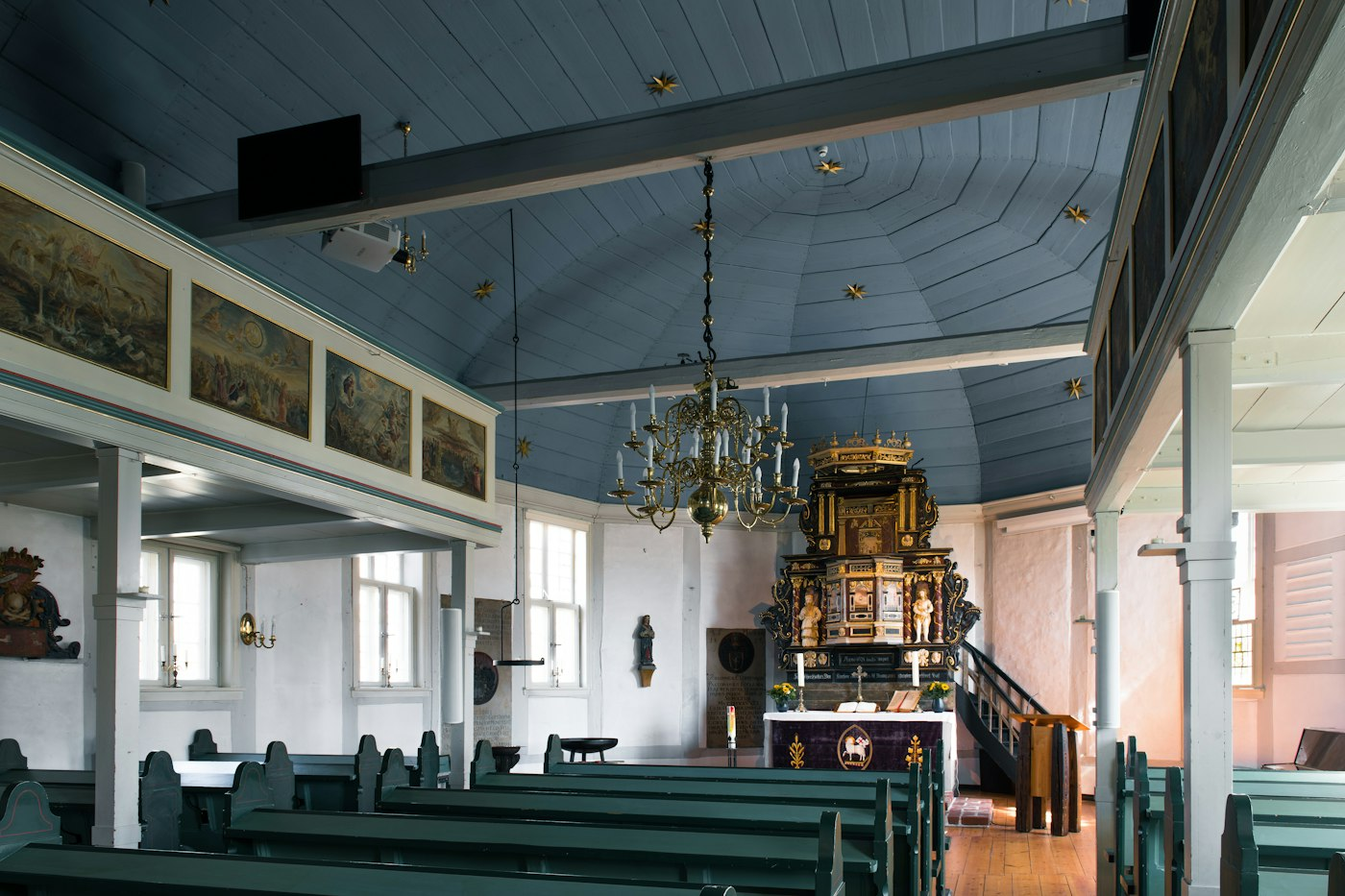
These days I visit churches. Small ones mostly, along the Grand Strand and inland, the kind with a sign out front that needs new letters and a congregation that knows everyone’s name. I come as a guest. Sometimes they ask me to preach; more often I sit, listen and pray. After so many years of being the one up front, it is a different way to go to church, and I have come to believe it is one of the most important things the Lord has given me to do in this season of life.
The Adjustment
A pastor is used to being the one who knows where everything is. Sitting in someone else’s church, not knowing the songs or the order of service, is humbling in a healthy way. I have become a better listener in these pews.
When you lead a congregation for years, you stop noticing certain things. You know which door sticks, which hymn the pianist likes, when to stand and when to sit. You know who will be in which pew before they get there. That familiarity is a gift, but it can also make you forget what it feels like to walk in as a stranger.
Now I am the stranger. I pick up the bulletin and try to figure out where we are. I fumble for the hymn number. I do not know the inside jokes in the announcements. And I am grateful for it, because it reminds me what every visitor feels in every church every Sunday. It has made me more patient, and it has made me pay closer attention.
It has also made me a better listener to preaching. When I was in the pulpit every week, I often heard other men’s sermons with half my mind on my own. I was taking notes for later or quietly critiquing their structure. Now I have nothing to prepare. I can simply receive the Word, the way the people in my old congregations did all those years.
What I See
Faithful men working two jobs to keep a church open. Women who have taught the same Sunday school class for thirty years. Congregations that pray for each other by name because they can. The church in America is not dying where I sit. It is small, tired and faithful.
You hear a great deal about the decline of the church, and I do not doubt the trends are real. But I would invite anybody who believes the church is finished to come with me on a Sunday morning to one of these little congregations. You will find people who have kept the lights on through hard years. You will find a pastor who preaches on Sunday and works a regular job Monday through Friday because the church cannot pay him full-time. You will find saints who have prayed for the same lost relatives for decades and have not given up.
Small does not mean weak. Tired does not mean faithless. Some of the strongest faith I have ever seen is in rooms with fewer than fifty people in them.
What I Try to Do
Find the pastor afterward. Tell him one specific thing that was good about the message. Ask how I can pray. Most pastors go years without anyone doing that for them.
Why specific matters
“Good sermon, preacher” is kind, and every pastor hears it at the door. But it is a pleasantry, and he knows it. When someone says, “The way you explained that verse about the lost sheep helped me see it differently,” he knows they were listening. He knows the hours he spent did not disappear into the air. That kind of encouragement can carry a tired pastor through a hard week.
Why asking about prayer matters
Pastors spend their lives praying for other people. Very few people ask how they can pray for him. When I ask, I often get a pause, and then something honest: a sick child, a strained budget, a conflict in the church, plain weariness. I write it down, and I pray for it. Sometimes I call later in the week to ask how it is going.
Why it is mostly about listening
When they do ask me to preach, I count it a privilege, and I try to serve their pulpit well and briefly. But I do not go to these churches looking for an opportunity to preach. I go to worship and to encourage. A guest who comes in wanting to be noticed is a burden. A guest who comes in wanting to bless is a help.
The Ministry of Encouragement
“Wherefore comfort yourselves together, and edify one another, even as also ye do” (1 Thessalonians 5:11). That is my ministry now, and I would not trade it.
Paul wrote those words to a young church in Thessalonica that was facing pressure and grief. Notice he does not tell them to wait for an apostle to come and encourage them. He tells them to do it for one another. And he adds, “even as also ye do,” which means they were already doing it. He was simply urging them to keep going.
The New Testament gives us a name for this kind of person. Barnabas, whose name means “son of consolation” (Acts 4:36), spent his life coming alongside others: vouching for Paul when the church was afraid of him, and later giving John Mark a second chance. The church needs preachers, but it also needs Barnabases. In this season, that is what I hope to be.
How Any Visitor Can Bless a Small Church
You do not need to be a retired pastor to do this. If you travel, if you are visiting family, or if you simply want to encourage the church down the road, here are a few things that help:
- Arrive a little early and stay a little late. Small churches notice visitors, and a friendly conversation means a great deal.
- Participate. Sing, even if you do not know the song well. Bow your head when they pray.
- Speak to the pastor. One honest, specific word of thanks.
- Ask how to pray. Then actually do it.
- Do not critique. You are a guest. If something seems odd to you, it may be precious to them.
- Remember them later. A note in the mail a week afterward can be the brightest thing on a pastor’s desk.
What to Do This Week
- Pray by name for your own pastor and for one pastor of a small church near you.
- Send your pastor a note telling him one specific thing from a recent sermon that helped you.
- Read 1 Thessalonians 5 and look for ways to “edify one another” in your own congregation.
- If you can, visit a small church you have never attended and simply worship with them.