
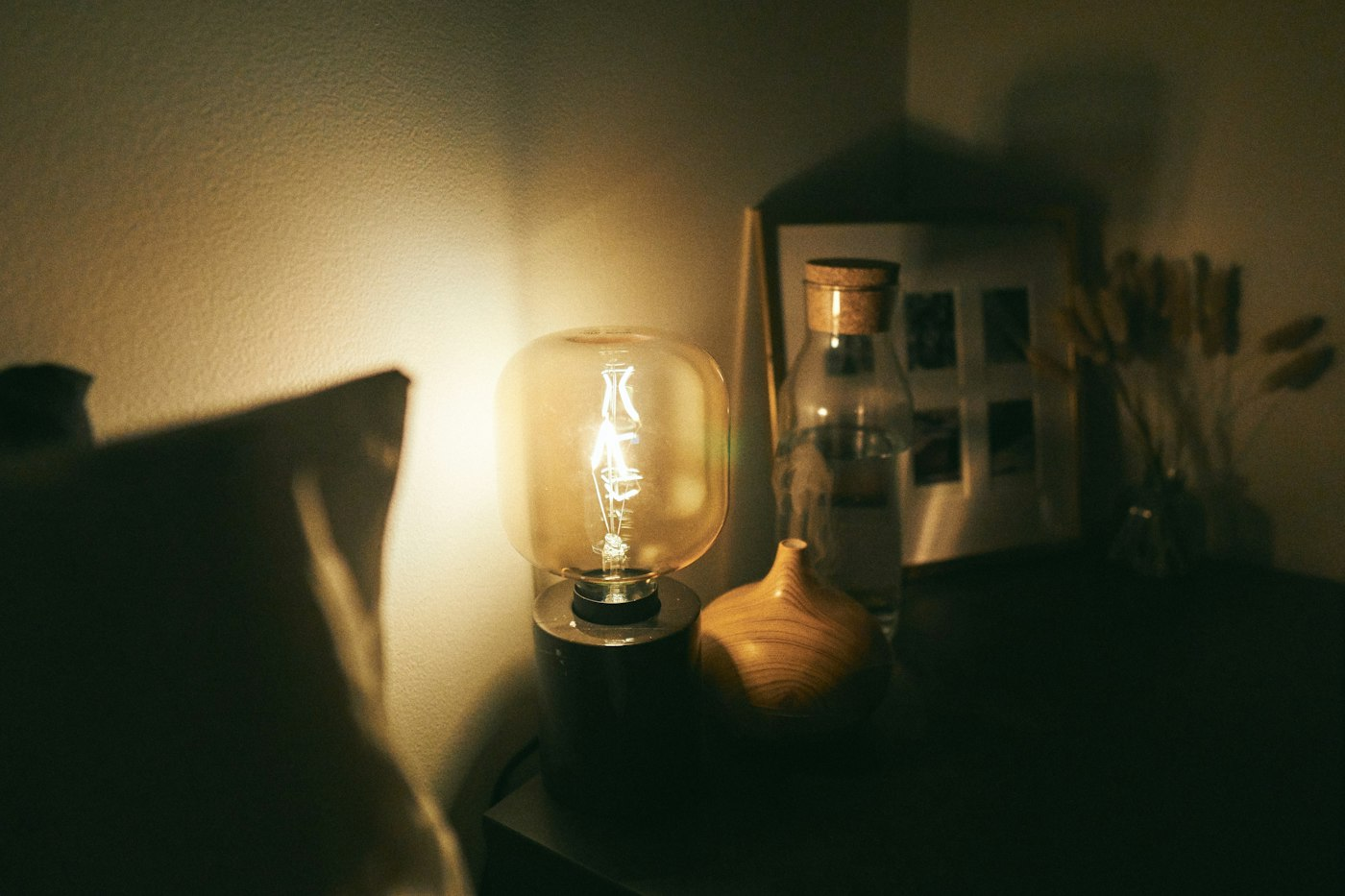
Summer nights are short. The sun sets late, evenings fill with ballgames and cookouts, and the morning alarm still comes early. Add heat, travel and a head full of worries, and many people find that good sleep is hard to come by. Scripture does not treat sleep as wasted time. It treats it as a gift, and even as an act of trust.
The Day Begins at Night
The creation account describes each day the same way: “And the evening and the morning were the first day” (Genesis 1:5, KJV). In biblical reckoning, a day began at sundown. That means God’s people started each new day by going to sleep, while He kept working.
There is a lesson in that order. We do not begin with our own effort and rest only when the work is done. We begin by resting in God, then wake to join work He has already been doing.
Sleeping in the Middle of Trouble
Psalm 3 carries the heading, “A Psalm of David, when he fled from Absalom his son.” David’s own son had led a rebellion, and the king was running for his life. Yet he wrote, “I laid me down and slept; I awaked; for the LORD sustained me” (Psalm 3:5).
Psalm 4 ends in the same spirit: “I will both lay me down in peace, and sleep: for thou, LORD, only makest me to dwell in safety” (Psalm 4:8). The circumstances had not changed. David’s trust had.
The New Testament shows the same pattern. Herod had already executed James and intended to bring Peter out to the people next. Yet on that very night, “Peter was sleeping between two soldiers, bound with two chains” (Acts 12:6). Peace like that is not the absence of danger. It is confidence in the One who keeps watch.
The Vanity of Anxious Striving
Psalm 127 speaks to anyone who works late and rises early out of worry: “Except the LORD build the house, they labour in vain that build it: except the LORD keep the city, the watchman waketh but in vain. It is vain for you to rise up early, to sit up late, to eat the bread of sorrows: for so he giveth his beloved sleep” (Psalm 127:1-2).
Hard work is good. But work driven by fear, as if everything depends on us, is “the bread of sorrows.” Sleep is a nightly reminder that the world keeps turning without our supervision. “Behold, he that keepeth Israel shall neither slumber nor sleep” (Psalm 121:4). Because He stays awake, we can close our eyes.
Practicing Restful Trust
- End the day with a psalm. Psalms 3, 4 and 91 make good bedtime companions.
- Hand over the unfinished list. Name what is undone and tell God you are leaving it with Him until morning.
- Set a stopping time for work and screens when you can, and protect it.
- Make peace before you sleep. “Let not the sun go down upon your wrath” (Ephesians 4:26).
- If sleeplessness persists for weeks, talk with your doctor. Seeking help is wise, not a lack of faith.
Tonight, when you lie down, let it be a small act of faith. The Lord who sustained David will sustain you, and He will be awake the whole night through.
Going Deeper: Elijah Under the Juniper Tree
One of the most tender stories about rest in the Bible comes right after one of the most dramatic victories. On Mount Carmel, Elijah had watched fire fall from heaven. Then Jezebel threatened his life, and he ran for a day’s journey into the wilderness. Sitting under a juniper tree, he prayed to die: “It is enough; now, O LORD, take away my life; for I am not better than my fathers” (1 Kings 19:4).
God’s response is remarkable. He did not lecture Elijah or correct his theology. “And as he lay and slept under a juniper tree, behold, then an angel touched him, and said unto him, Arise and eat” (1 Kings 19:5). There was bread baked on coals and a jar of water. Elijah ate, drank and lay down again. The angel came a second time and said, “Arise and eat; because the journey is too great for thee” (1 Kings 19:7).
Only after sleep and food did God speak to Elijah about his calling, in the “still small voice” at Horeb (1 Kings 19:12). I have always loved that order. Sometimes the most spiritual thing a weary servant of God can do is take a nap and eat a good meal. God cares for our bodies as well as our souls. He made us dust, and “he remembereth that we are dust” (Psalm 103:14).
Jesus Asleep in the Storm
The Gospels give us another picture of restful trust. During a storm on the Sea of Galilee, while waves filled the boat, Jesus “was in the hinder part of the ship, asleep on a pillow” (Mark 4:38). His sleep was not carelessness. It was the rest of the Son who trusted His Father completely. When He woke, He calmed the sea and asked His disciples, “Why are ye so fearful? how is it that ye have no faith?” (Mark 4:40). The peace He had while sleeping is the peace He offers to give us.
Common Obstacles to Restful Sleep
- Replaying the day. We go over conversations and mistakes again and again. Try: confess what needs confessing, then leave it with God. “As far as the east is from the west, so far hath he removed our transgressions from us” (Psalm 103:12).
- Rehearsing tomorrow. We plan and worry about what is ahead. Try: write tomorrow’s tasks on paper so your mind does not have to hold them. Jesus said, “Take therefore no thought for the morrow” (Matthew 6:34).
- Glowing screens. Phones and televisions keep the mind busy. Try: set them aside a little before bed and read a psalm instead.
- Unresolved conflict. Anger keeps us awake. Try: make a phone call or send a short message to begin making peace, even if the full conversation must wait.
- Physical causes. Pain, medications and other health issues can affect sleep. Try: ask your doctor. Caring for your body is good stewardship.
A Simple Bedtime Practice
- Thank God for three good things from the day.
- Confess anything that troubles your conscience.
- Pray for the people on your heart by name.
- Hand over your unfinished tasks and worries.
- Read or recite Psalm 4:8 as you turn out the light.
Questions Readers Ask
Is it lazy to rest when there is so much to do?
No. Rest is part of God’s design, built into creation and commanded in the Sabbath. Proverbs does warn against laziness (Proverbs 6:9-11), but it is talking about a person who will not work, not about a faithful worker who needs sleep.
What if I wake up in the night and cannot get back to sleep?
Many believers use those quiet hours for prayer. The psalmist wrote of meditating on God “in the night watches” (Psalm 63:6). Rather than fretting about being awake, turn the time into a quiet conversation with the Lord.