
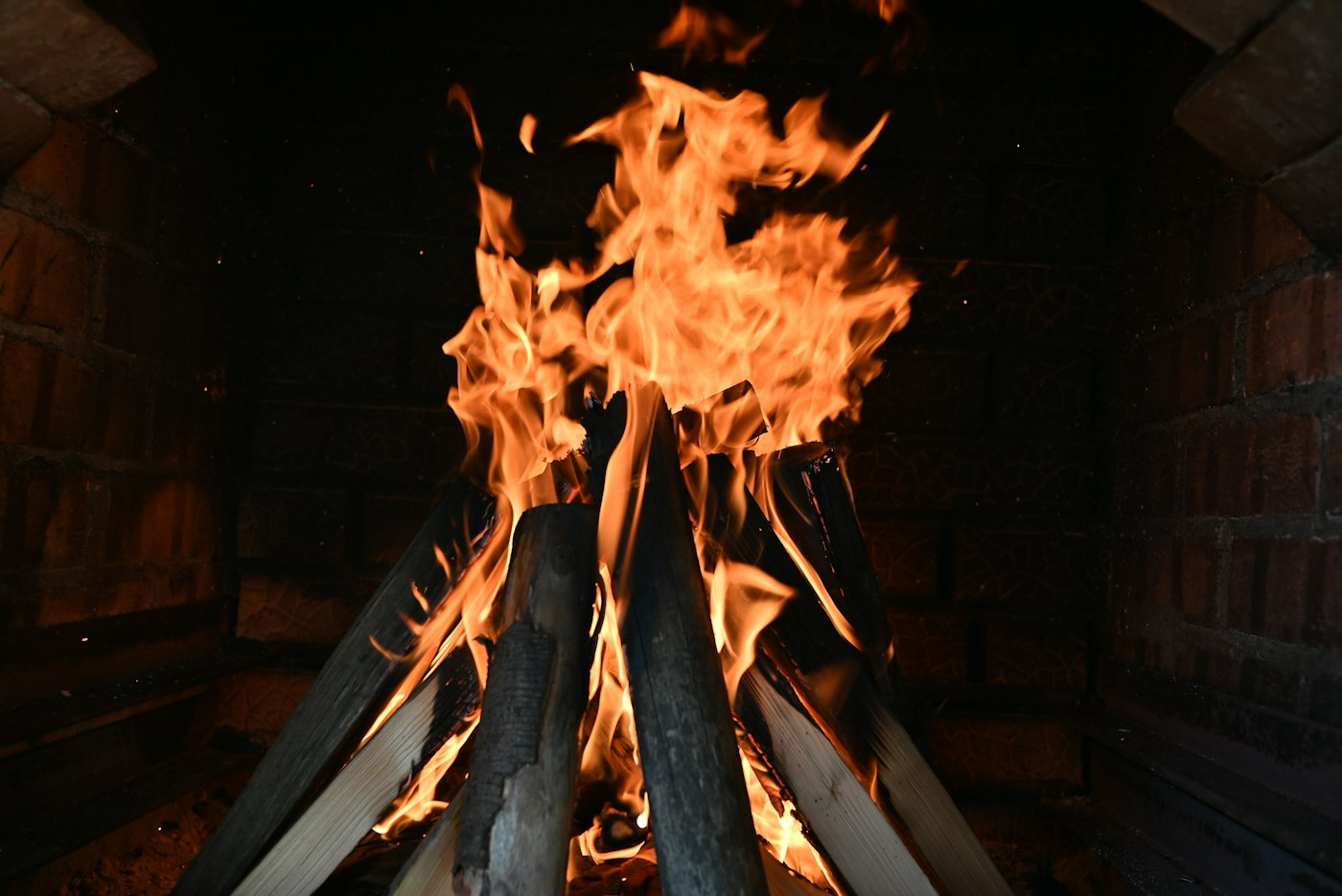
In the heat of July, it is easy to complain about a hot afternoon. The third chapter of Daniel describes something far worse: a furnace heated “one seven times more than it was wont to be heated” (Daniel 3:19, KJV). Three young men walked into it rather than betray their God. Their story has strengthened believers in hard times for centuries, largely because of two small words.
The Image and the Order
Nebuchadnezzar, king of Babylon, set up a golden image on the plain of Dura and summoned the officials of his empire. A herald announced that when the music played, everyone must fall down and worship the image. Anyone who refused would be thrown into a burning furnace.
Among those officials were three Jewish exiles, known by their Babylonian names: Shadrach, Meshach and Abed-nego. Their Hebrew names were Hananiah, Mishael and Azariah (Daniel 1:6-7). They had served Babylon faithfully. But they would not worship its gods.
Two Small Words
Brought before the furious king, they answered calmly: “If it be so, our God whom we serve is able to deliver us from the burning fiery furnace, and he will deliver us out of thine hand, O king. But if not, be it known unto thee, O king, that we will not serve thy gods, nor worship the golden image which thou hast set up” (Daniel 3:17-18).
Their faith had two parts. First, confidence in God’s power: He is able. Second, a commitment that did not depend on the outcome: but if not. They did not know whether God would rescue them from the fire. They knew He was worthy of their loyalty either way.
That is a mature kind of hope. It is not a bargain that says, “I will trust You if You fix this.” It is trust in God Himself, whatever He chooses to do.
The Fourth Man in the Fire
The furnace was so hot that the soldiers who threw the men in were killed by the flames (Daniel 3:22). Then the king rose up in haste, astonished: “Lo, I see four men loose, walking in the midst of the fire, and they have no hurt; and the form of the fourth is like the Son of God” (Daniel 3:25).
Many Christians have seen in that fourth figure an appearance of Christ before His birth; the king himself later spoke of God’s angel (Daniel 3:28). Either way, the point is the same. God did not keep His servants out of the fire, but He met them in it.
Notice one more detail. The men had been thrown in bound (Daniel 3:21), but they were seen walking “loose.” The only thing the fire consumed was what held them. When they came out, not a hair was singed, “nor the smell of fire had passed on them” (Daniel 3:27).
Hope for Your Own Furnace
- Tell God honestly what you want Him to do. The three men believed He could deliver them, and said so.
- Settle your loyalty before you know the outcome. “But if not” is easier to say if you have prayed it before the crisis peaks.
- Expect His presence. Isaiah’s promise still holds: “when thou walkest through the fire, thou shalt not be burned” (Isaiah 43:2).
- Watch for what the fire loosens: fears, idols or attachments you no longer need.
Not every trial ends the way we hope. But no believer walks through the fire alone. The One who stood in the furnace in Babylon stands with His people still.
Going Deeper: Faith Formed Long Before the Furnace
The courage of Shadrach, Meshach and Abed-nego did not appear out of nowhere. Daniel 1 tells us how their story began. As young captives brought to Babylon, they and Daniel were trained for service in the king’s court. They were given new names and offered the king’s food. Daniel “purposed in his heart that he would not defile himself with the portion of the king’s meat” (Daniel 1:8), and his three friends joined him. They asked respectfully for a ten-day test, eating simple food, and God gave them favor (Daniel 1:12-16).
That small decision about the menu was practice for the great decision before the furnace. They learned to be faithful in a foreign land in little things first. They served Babylon well, studied its learning and accepted its names, but they drew a line where obedience to God was at stake. By the time the music played on the plain of Dura, their convictions were already settled.
There is a lesson here for all of us. We rarely rise to the occasion in a crisis. We fall back on the habits we have built. Small acts of faithfulness, made quietly and consistently, prepare us for the moments when much more is at stake.
What “But If Not” Is and Is Not
- It is not doubt. The men said plainly, “our God… is able.” Their “but if not” was not a lack of faith in God’s power. It was humility about God’s will.
- It is not resignation. They did not shrug and say, “Whatever happens, happens.” They committed themselves actively to God’s side.
- It is not defiance for its own sake. They answered the king with respect. Their refusal was about worship, not about rebellion.
- It is surrender. It echoes Jesus’ own prayer in Gethsemane: “nevertheless not my will, but thine, be done” (Luke 22:42).
Putting It Into Practice
Many of us are facing our own furnaces: a frightening diagnosis, a job that requires us to compromise, a broken relationship, a prayer that has gone unanswered for years. Here is a simple way to pray through it.
- Name what you are asking for. Be specific and honest, as the three men were.
- Affirm what you know about God. He is able. He is good. He is present.
- Say your “but if not.” Tell God that you will trust and follow Him even if the answer is not what you hope.
- Ask for His presence. Pray that, whatever comes, you would know the fourth Man in the fire.
- Ask a friend to pray with you. The three men faced the fire together. Do not face yours alone.
Questions Readers Ask
Why isn’t Daniel mentioned in this chapter?
Scripture does not say where Daniel was. Some suggest he was away on the king’s business or held a position that excused him from the gathering. We simply are not told. The silence keeps our focus on the three friends.
Does God always deliver His people from danger?
Not always in this life. Hebrews 11 lists some who “quenched the violence of fire” and others who “were tortured, not accepting deliverance” (Hebrews 11:34-35). Both groups were faithful. God’s deliverance is certain, but its timing and form are His to choose.
What happened afterward?
Nebuchadnezzar praised the God of Shadrach, Meshach and Abed-nego and promoted the three men in the province of Babylon (Daniel 3:28-30). Their faithfulness became a testimony to the most powerful ruler of their day.