
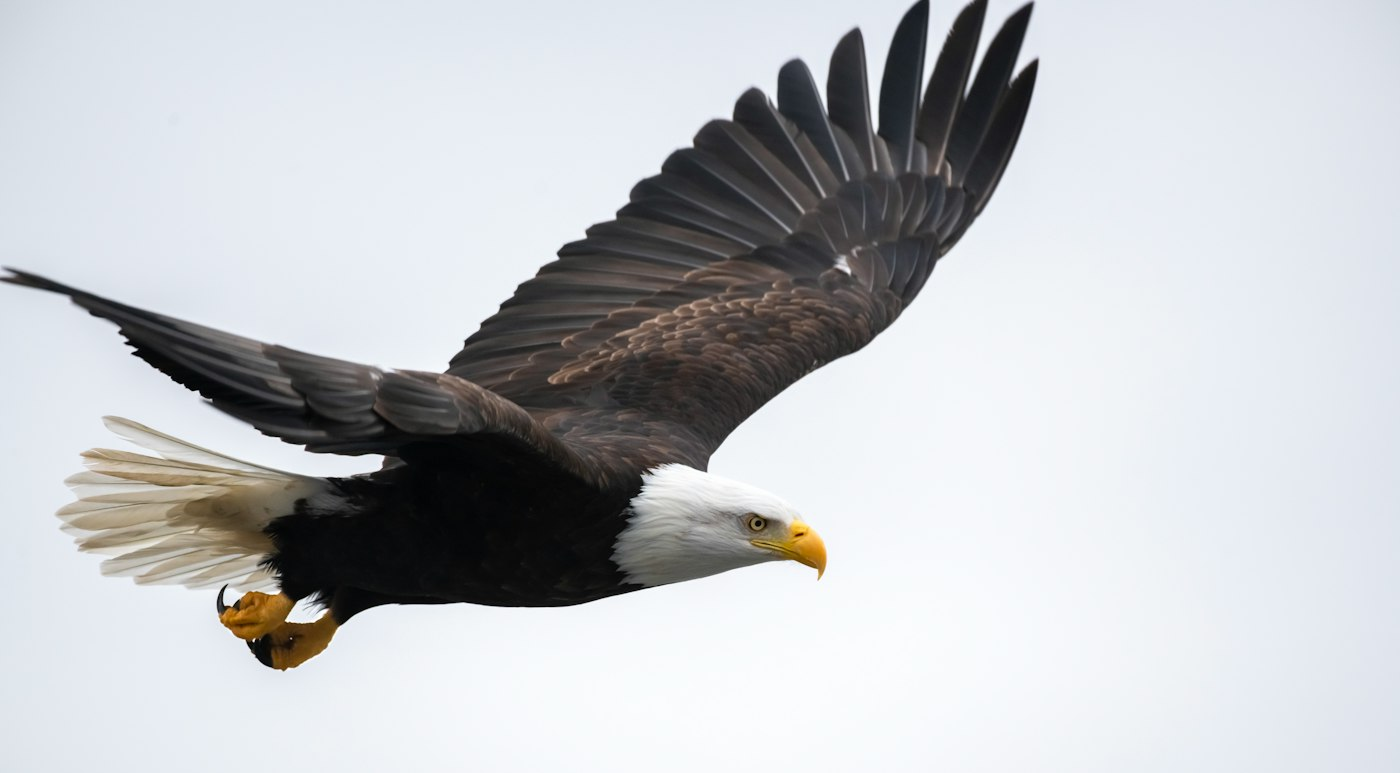
Psalm 91 has comforted soldiers, travelers, patients and parents for generations. Some people memorize it; others keep a copy folded in a wallet or tucked in a glove box. Its promises of protection are stirring. They also raise honest questions, especially for believers who have prayed this psalm and still faced trouble. Here are some common questions and answers.
What Is Psalm 91 About?
It is a psalm of trust, a song for those who make God their dwelling place. It opens: “He that dwelleth in the secret place of the most High shall abide under the shadow of the Almighty. I will say of the LORD, He is my refuge and my fortress: my God; in him will I trust” (Psalm 91:1-2, KJV).
Those two verses use four names for God: the Most High, the Almighty, the LORD and my God. The psalmist piles them up as if to say that every part of God’s character stands guard over His people. Then the imagery turns tender: “He shall cover thee with his feathers, and under his wings shalt thou trust: his truth shall be thy shield and buckler” (Psalm 91:4).
Does It Promise Believers Will Never Get Sick or Hurt?
Read on their own, lines like “There shall no evil befall thee, neither shall any plague come nigh thy dwelling” (Psalm 91:10) might sound like a guarantee against all harm. But Scripture itself warns against that reading. When Satan tempted Jesus, he quoted this very psalm: “For he shall give his angels charge over thee, to keep thee in all thy ways” (Psalm 91:11; see Matthew 4:6). Jesus refused to leap from the temple to test the promise, answering, “Thou shalt not tempt the Lord thy God” (Matthew 4:7).
Faithful people throughout the Bible suffered illness, injury and persecution. The psalm’s promises speak of God’s keeping power over our lives and souls, and of final deliverance. They are not a contract for a life without pain.
Then What Does It Promise?
The last verses give God’s own voice: “He shall call upon me, and I will answer him: I will be with him in trouble; I will deliver him, and honour him” (Psalm 91:15). Notice that trouble is assumed. The promise is God’s presence in it and His deliverance through it.
That is why the psalm can speak of fearlessness without pretending danger is unreal: “Thou shalt not be afraid for the terror by night; nor for the arrow that flieth by day” (Psalm 91:5). Nothing can reach the one who dwells in God without His knowledge, and nothing can finally destroy what He keeps.
How Can I Pray Psalm 91?
- Pray verses 1-2 aloud each morning as a declaration of trust.
- Use verse 5 at bedtime when anxious thoughts rise.
- Pray it for others by name, especially those who travel, serve in dangerous jobs or face illness.
- When trouble comes anyway, pray verse 15 and ask God to be with you in it.
- Read it alongside Matthew 4:1-11 to remember how Jesus trusted His Father without testing Him.
Psalm 91 is not a charm against hardship. It is something better: an invitation to live so close to God that, whatever comes, you are under His wings.
More Questions Readers Ask
Who wrote Psalm 91?
The psalm has no title in the Hebrew text, so we do not know for certain. Some Jewish tradition connected it with Moses, since it follows Psalm 90, “A Prayer of Moses the man of God.” Whoever wrote it, the psalm clearly belongs to a long tradition of God’s people finding shelter in Him.
What does “the secret place” mean?
The phrase speaks of a hidden, sheltered place, a place of close fellowship with God. It recalls Jesus’ words about prayer: “enter into thy closet, and when thou hast shut thy door, pray to thy Father which is in secret” (Matthew 6:6). To “dwell” in the secret place is not just to visit God in emergencies but to make our home with Him.
Where does the image of wings come from?
Scripture often pictures God as a bird protecting its young. Moses sang that God was like an eagle that “spreadeth abroad her wings” over her young (Deuteronomy 32:11). Boaz blessed Ruth in the name of the LORD God of Israel, “under whose wings thou art come to trust” (Ruth 2:12). Jesus Himself wept over Jerusalem, saying He would have gathered its children “as a hen gathereth her chickens under her wings” (Matthew 23:37). Some also hear an echo of the cherubim’s wings over the ark in the tabernacle, the place of God’s presence.
Is it wrong to carry Psalm 91 as a kind of protection?
Carrying Scripture as a reminder to pray and trust is a lovely habit. The danger comes if we begin to treat the paper itself as a charm. Our protection is not in the page but in the God it describes.
Going Deeper: The Conditions and the Promises
A careful reading of Psalm 91 shows a pattern. The promises are spoken to a person who has done something: who “dwelleth in the secret place” (verse 1), who says “in him will I trust” (verse 2), who has “made the LORD… thy habitation” (verse 9). In God’s own speech at the end, the reasons are repeated: “Because he hath set his love upon me… because he hath known my name” (Psalm 91:14).
That does not mean we earn God’s protection. It means the psalm describes a relationship, not a formula. The promises belong to those who love Him, know Him and make their home in Him. They grow sweeter the closer we draw.
What This Means When Trouble Comes
When I sit with someone who has prayed Psalm 91 and still received hard news, I try to remind them gently of three things.
- God has not broken His word. He promised to be with us in trouble, and He is.
- Our lives are kept, even when our bodies suffer. Paul wrote, “though our outward man perish, yet the inward man is renewed day by day” (2 Corinthians 4:16).
- The final deliverance is certain. The psalm ends with “With long life will I satisfy him, and shew him my salvation” (Psalm 91:16). For the believer, that salvation reaches beyond this life into eternity.
Psalm 91 also pairs well with practical wisdom. Trusting God does not mean ignoring good sense. Wear the seat belt, see the doctor, follow safety guidance at work and on the water. God often protects us through the ordinary means He has provided.
A Short Exercise
- Read Psalm 91 slowly and underline every name for God.
- Circle every picture of protection: shadow, fortress, feathers, wings, shield.
- Choose one image to carry with you through the day.
- Pray verse 15 for someone you know who is in trouble right now.